Some links on this page are affiliate links. If you book or buy through them, we may earn a small commission at no extra cost to you. It never changes what we recommend — every price here is one we would pay ourselves.
A private guesthouse room, if you want the door that locks behind you, is $20 to $40. Add it up and backpackers can comfortably explore the country on about $30 to $50 per day.
Guatemala Runs Cheap
Guatemala is the country where the daily number stays low without much effort. Local market meals cost $2 to $5. Hostel dorms run $8 to $15. A private guesthouse room, if you want the door that locks behind you, is $20 to $40. Entry fees to the major sites are small enough that they don’t reshape the day. Add it up and backpackers can comfortably explore the country on about $30 to $50 per day. Many travelers end up spending under $25. That figure is not a stunt. It is what happens when you eat where people eat and sleep in a dorm.
For the big attractions, buying tickets in advance skips the worst of the queues.
The spread between those two numbers matters. Thirty to fifty is the honest band. Under twenty-five is what the careful ones hit. The gap is mostly accommodation and how often you pay for a guided thing versus walking there yourself.
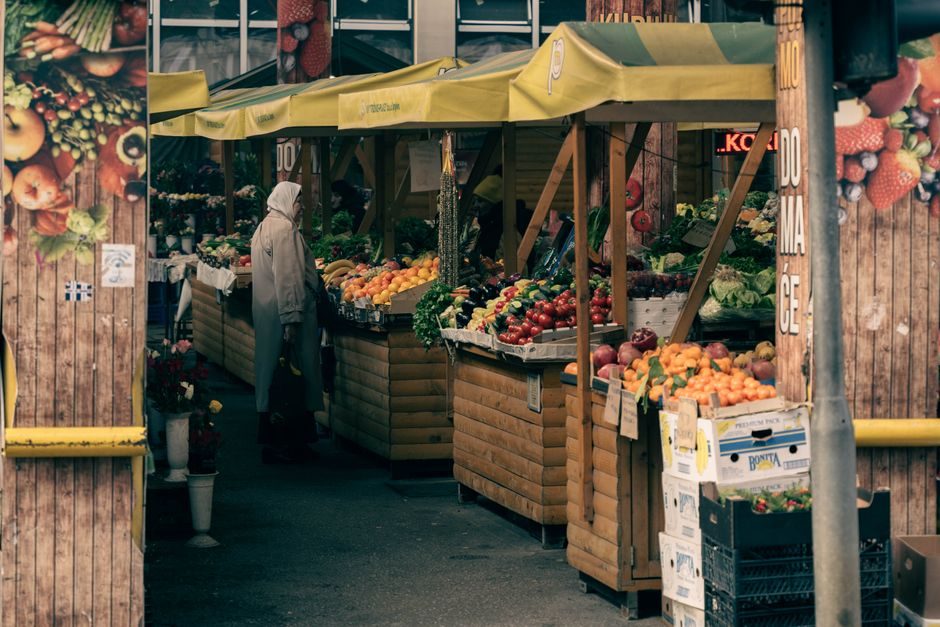
The market meal is worth describing, because it is the whole trick. In Antigua or Xela or the smaller towns around Lake Atitlán, the comedor with plastic tables and a hand-painted menu board serves a set lunch — soup, a plate of rice, beans, a piece of chicken or a scoop of pepián, and a stack of tortillas — for the low end of that $2 to $5 range. The tortillas are made in front of the building by someone who has been doing it since before dawn. Order the set plate, not the à la carte tourist menu, and the price is what the price is. The tourist-menu version of the same food, printed in English with a photo, costs noticeably more and is rarely better.
Dorms in the popular spots fill by late afternoon in high season, and walk-ins get whatever is left, which is usually the worst bed and the highest rate. Booking the night before costs nothing and avoids the moment of standing in a courtyard at dusk with a pack on. The $8 beds are real but they are the exception, usually in the less-visited towns or in the low season; $12 to $15 is the realistic middle. Private rooms at $20 to $40 are often in family guesthouses with a shared bathroom and a courtyard, and the family will usually do laundry for a small extra charge that is worth taking.
Transport is where a cheap day can quietly double. Chicken buses between towns are cheap and slow, and they stop for anyone waving at the roadside, which is charming for the first hour and tedious by the fourth. Shuttles between the main tourist towns cost several times the bus fare and save a few hours. The trade is hours against money, and the honest answer is that on a long trip the bus wins most days and the shuttle wins on the day of a border crossing or a flight.
Costa Rica Costs More
Costa Rica is not Guatemala. Four weeks is a good length for the country, though a week parked in Puerto Viejo doing very little is also a legitimate way to spend the time. The nature is the reason people come. Waterfalls, volcanoes, rainforest, cloud forest, and beaches in the same trip. Walking through the national parks with binoculars, looking for animals, is the activity that justifies the spend.
It is also considered one of the safest countries in Central America. Not comparable to Germany or Europe, but safe by regional standards. That safety carries a price. Budget accordingly and the country works. Assume it works less well than Guatemala on the same money.
Timing changes what you pay. Weather, wildlife, crowds and prices shift month by month across the year, and the difference between a peak month and a shoulder month is real money on the same room.
What the extra money buys is worth naming. Park entrances are the main line item and they are not cheap by regional standards; the well-known volcano and cloud-forest parks charge per day, and the ticket desk usually closes mid-afternoon, so arriving late means paying for a day you cannot use. Lodging near the famous parks is the most expensive in the country and books out well ahead in the dry months. The move that experienced travelers make is to base in a cheaper town and take the early bus in, or to stay outside the park gate where family cabins cost less than the lodges inside.
Food is the other swing. The local soda — a small canteen serving a set plate of rice, beans, plantain and a protein — is affordable and filling, and it is where the bus drivers eat. The restaurant with an English menu near the park entrance is not, and the gap between the two is larger here than in Guatemala. Cooking in a hostel kitchen resets the daily number faster than any other single decision.
Cuba Is Not The Cheap One
There is a persistent idea that Cuba is a budget destination. It is not. Cuba runs about three times more expensive than Trinidad and Tobago, which is the cheapest country in the Caribbean. Panama is cheaper than Cuba. That is the comparison people miss. If the plan is a cheap Caribbean trip, Cuba is the wrong pick.
Panama sits in the middle. It is not Guatemala money and it is not Costa Rica money at the top end. A quarterly budget report covering Panama and the USA is the kind of thing that shows how fast the USA half drains a wallet compared to the Central American half.
What The Numbers Say
Two daily figures do most of the work here. Under $25 in Guatemala if you are disciplined. $30 to $50 in Guatemala if you are comfortable. Those are the anchors. Everything else is a comparison against them.
A dorm bed in Guatemala at $8 to $15 is the single biggest lever. Move that to $20 to $40 for a private room and the day changes shape. Three market meals at $2 to $5 each keeps food near $6 to $15. That leaves the rest for transport and entries.
Costa Rica asks for more and gives you volcanoes and cloud forest for it. Panama asks for more than Guatemala and less than Cuba. Cuba asks for three times what Trinidad and Tobago asks. Bulgaria and Lithuania come in cheaper than most of the countries in this conversation, and the Philippines is cheap as well, which is useful only if you were already considering a different continent.
The point is not that one country wins. The point is that the daily number tells you what kind of trip you are buying. Under $25 in Guatemala is a trip with dorms and market food. $50 in Guatemala is the same country with a private room and a few paid entries. Costa Rica over four weeks is a different budget entirely, and a week of it in Puerto Viejo doing nothing is the cheapest version of that budget.
Leave a Reply