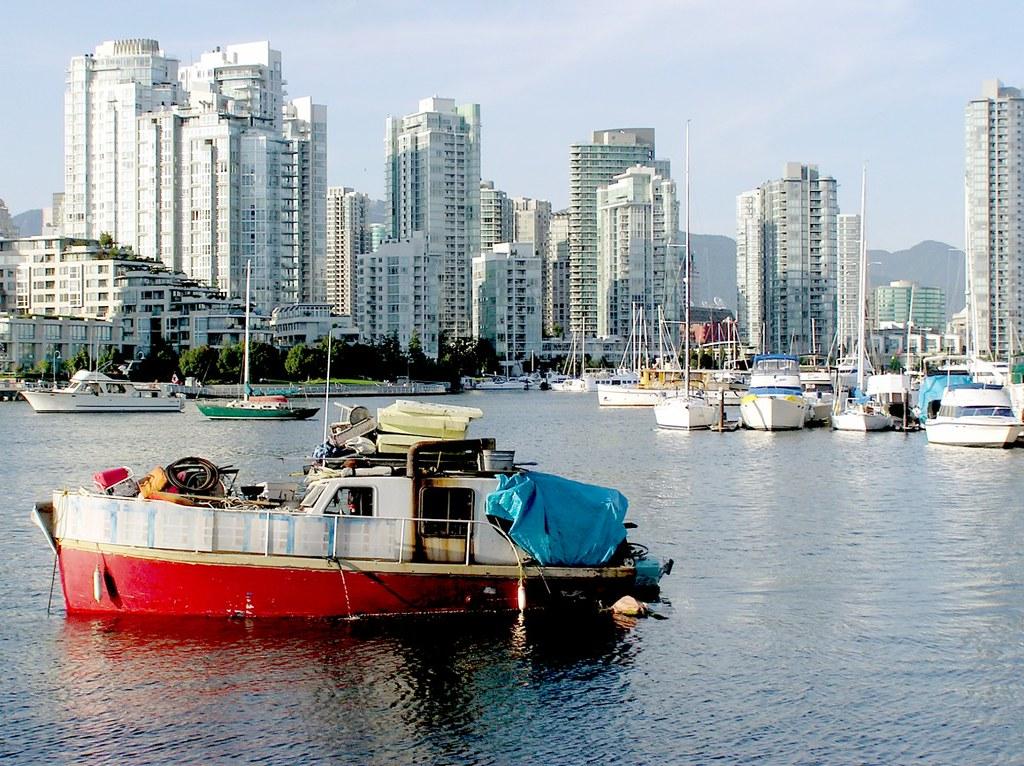
What A Boat Actually Costs
A fast boat to the Gili Islands runs about $50 each way. That is the number most people miss when they budget for Indonesia. The flight to Bali can be had for around $100, but the water crossing to the Gilis eats into that saving fast, and once you are on the islands, prices stay high because almost everything arrives by the same boat you did. Expect $35 to $50 a day there in high season. Not a disaster. Just more than the mainland.
The same pattern shows up everywhere water is involved. A ferry ride in the Philippines costs PHP210, which is about $4.70. A domestic flight there costs PHP1,780, or roughly $40. The ferry is cheaper by a wide margin, but it is slower, and on some routes the difference in time is the whole point of the trip.
The Whitsundays Math
A three-day, two-night sailing trip in the Whitsundays with ProSail cost AUD$869. That is about $570 in US dollars at recent rates, and it covers everything once you are on the boat. Food, gear, the lot. It sounds like a lot for a backpacker, and it is. But the alternative is paying for three nights of accommodation, three days of meals, and some kind of day trip to see the same water. The sailing trip bundles those costs into one number.
That kind of bundling matters more than people admit. A daily spend of £86 drops to £67 without a San Blas sailing trip. Convert that and you are looking at roughly $116 a day versus $90. The sailing trip is not cheap, but it is also not the thing blowing up the budget. It is a known, fixed cost that replaces a lot of smaller, less predictable ones.
Lakes, Ferries, and Short Hops
The ferry across Lake Koman in Albania costs 6 to 7 euros. That is about $6.50 to $7.60. The scenery is the point, and the price is low enough that it barely registers against a daily budget. Compare that to the ferry from Corfu to Saranda, which takes 35 minutes and costs 19 to 22 euros, or roughly $20.50 to $23.80. Short crossing, higher price. Island routes usually are.
A hostel in Saranda, a day trip to Butrint, and a beach day at Ksamil round out that kind of stop. None of those are boat costs, but they are the reason the boat exists. You pay the ferry to get to the place where you then spend more money.
Where Boats Fit In A Bigger Budget
Some travellers track this stuff closely. One set of numbers shows $7,146 spent on transport across a long trip, including trains, motorbikes, boats, rental cars, buses, and a camel. Accommodation over the same period came to $6,882, covering apartments, a campervan, hotels, hostels, house sitting, a tent, a car, a bus, a boat, and a couple of nights in an airport. Boats are one line in a much longer list. They are rarely the biggest line, but they are almost never zero.
The smaller boat costs add up too. A mangrove boat tour in Malaysia runs about $13. A cable car on Langkawi is $14. Going up Penang Hill is $8. Half a scooter rental is $4. None of these are ferries, but they are the same category of expense: a small, specific, pay-once cost that gets you somewhere or shows you something. Museums tend to run $2 to $5. Most hiking is free. Boat tours sit in the $10 to $20 range in a lot of places.
The Peak Season Problem
Guided tours, boat trips, and day excursions typically cost 10 to 20 percent more in peak season than off-season. That is the quiet tax on travelling when everyone else does. A $50 fast boat in high season might be $55 or $60 at the top end. A $13 mangrove tour might be $14 or $15. It is not dramatic on any single booking. Across a two-week trip with several water-based activities, it is real money.
The Gili Islands are the clearest example. Everything comes by boat, so everything costs more. The islands charge $35 to $50 a day in high season, and that is before you factor in the crossing to get there. Budget accordingly. Not because it is unfair, but because the numbers are the numbers, and the water does not care what you hoped to spend.
Leave a Reply