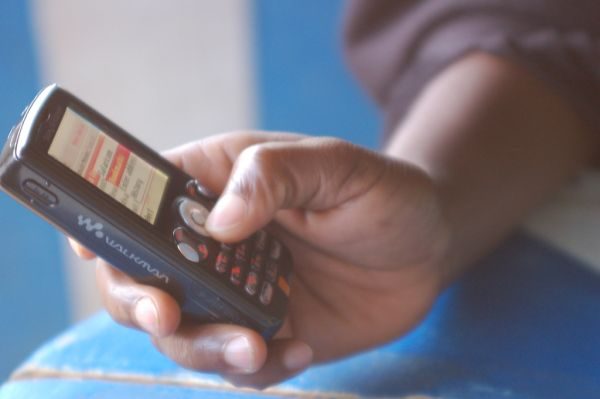
What a Phone Actually Costs
Cheap travel starts with two purchases you make before you leave: a way to connect, and a way to stop a single bad day from emptying your account. Both have prices attached, and neither is as complicated as the internet makes it sound.
An international chip or eSIM means you step off the plane with unlimited 4G or 5G already working. No hunting for airport Wi-Fi, no standing in a queue at a kiosk in a terminal where everything costs double. The pitch for the eSIM is blunt and correct: arriving in a new country without GPS, a translator or a messaging app is miserable. You can argue about the exact cost of roaming versus a local SIM all you like. What matters is that you land with data. A phone without it is a camera.
The 90-day-in-180 limit is the other number to keep in your head. Most visitors on a short-stay trip are working inside that window, which means your whole budget is a three-month budget at most, not a year. Every monthly figure below should be read that way.
Health Cover by the Day
Insurance is where budget travellers gamble and lose. One policy quoted here runs from 0.87 euros per person per day, which is about $0.94. That is the floor, and it buys medical assistance up to 500,000 euros, roughly $540,000, with a 24/7 medical chat in the app and a caregiver service so children are not left alone if an adult is hospitalised. It covers children up to 18.
The same provider handles everything digitally, including video consultations and modular policies sold by the day, with options for adventure sports and cancellation. For a traveller who wants a fast answer in their own language, that structure matters more than the price. Ninety-four cents a day is not a decision. Skipping it is.
The contrast worth noting is the student route. An F-1 visa application costs $535, and in some cases there is an additional fee on top. That single number dwarfs a year of daily cover. Insurance is the cheap line item. Visas are the expensive one.
The Emergency Fund
One traveller keeps £1,000 set aside for emergencies at home and abroad. That is about $1,080, and it does not get spent on the trip. It sits there. The reasoning given was simple: you never know what may happen. That number is not arbitrary. It is roughly the cost of a changed flight plus a night in a hotel plus a taxi you did not plan for. Keep it in a separate account and treat it as gone.
Ground Transport Adds Up
A full run of local buses, overnight coaches and tourist shuttles came to £858, or about $926, across a long trip. Averaged monthly, that is roughly £114, or $123 a month. That is the real cost of moving. It is also where the best value hides. Dambulla is about five hours away for 100 Indian rupees, under $1.20. Compare that to the $50 to $75 a day a budget traveller spends in Dubrovnik. Croatia is the regional exception; heading inland to Zagreb or the Plitvice Lakes pulls costs back toward the rest of Eastern Europe.
Longer stays change the maths entirely. Asunción runs about $920 a month to live in, and Paraguay’s low profile is the draw. You are not passing through at that price. You are staying.
What You Get for a Room
A budget hotel means a small room. That is the deal. One traveller took a tiny room at the back of the property and barely noticed, because the Zocalo was a 10-minute walk, the toiletries were replaced daily, and the maid service ran without being asked. The room was the least interesting thing about the stay. They would book it again.
That is the trade to look for. Location and service beat square footage every time. A room you only sleep in does not need to be large. It needs to be close to the thing you came to see, and it needs to be cleaned while you are out.
Four areas carry most of the weight: connectivity, insurance, emergency cash and ground transport. Not every strategy fits every trip. But pricing these four before you go tells you what your trip actually costs, and whether the answer is yes or not yet.
Leave a Reply