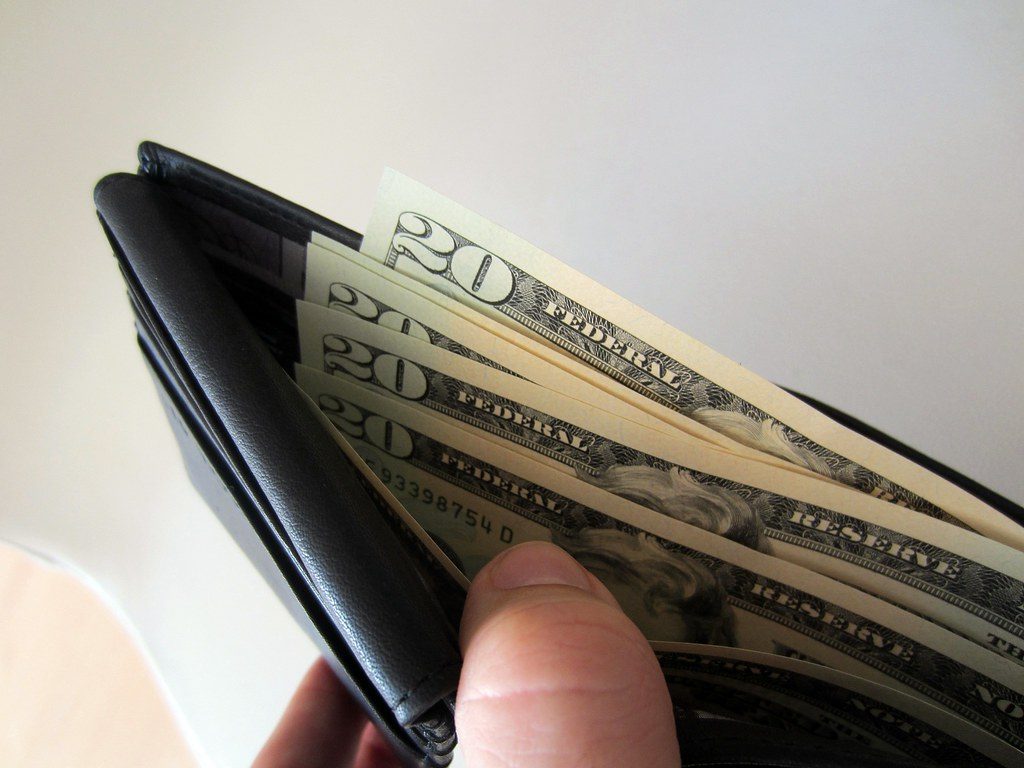
The Card in Your Wallet
Contactless works almost everywhere now. That part is settled. The problem is the fee schedule attached to the card you happen to own, and the markup a merchant decides to add on top of it.
An Indian credit card charging a 2% conversion fee is the baseline case. Reward points can offset that, assuming the card is actually enabled for international use. It often is not, and the first you learn about it is at a counter with a queue behind you.
The solution people keep landing on is a dedicated forex card. One traveller picked up a Thomas Cook Visa card with zero forex markup, loaded it with US dollars by paying the rupee equivalent, and then spent it in whatever currency the country used. That works. It also comes with a quiet catch. Many establishments charge an extra 2–3% when you pay by card at all, regardless of whose card it is.
So a card is not always the cheaper route. Sometimes it is just the more convenient one, and you pay a few percent for the convenience without noticing.
What Cash Still Buys
Japan is the clearest test case. Cash remains essential for small temples, some restaurants, and market stalls. The advice from people who have done it is specific: withdraw from 7-Eleven ATMs, which accept foreign cards reliably, and keep somewhere between ¥10,000 and ¥20,000 on hand. That is roughly $65 to $130, and it does not go as far as it sounds.
A PASMO card covers the train ride, valid on JR and subways. The minimum charge is ¥500, which buys you maybe two train stations. Loading ¥10,000 onto a PASMO is the working figure people use. That sits in the same $65–130 band as the cash float, and it is a separate pool of money. Two floats, not one.
The pattern repeats elsewhere. Small operators, temples, market stalls — the places where a card surcharge stings most are also the places most likely to prefer notes.
The Cash Advance Trap
Withdrawing cash from a credit card is a bad idea. The cash advance fee is very high. This is not a marginal cost you can absorb; it is a different category of charge from a foreign transaction fee, and it starts accruing immediately.
Debit and ATM withdrawals are the alternative, which is why the 7-Eleven detail matters. The machine you choose changes whether the withdrawal happens at all.
There is one more cash obligation that has nothing to do with ATMs. In parts of Africa, the payment made in cash on arrival is called the Local Payment. That money goes to your tour leader at the start of the tour and covers local expenses: camping fees, an average of two meals per day, and the included excursions listed in the trip itinerary. It is cash, it is collected up front, and it is not something a card can substitute for.
Cards That Do Less Damage
Travel-specific cards and apps tend to offer lower foreign transaction fees and better exchange rates. Many let you load multiple currencies and lock in a rate when it is favourable. That is the whole point of them.
For purchases you were going to make anyway — gear, flights, the big-ticket items — a cash back credit card in the 1–2% range is a reasonable home for the spending. Some welcome offers run considerably higher. One example: as many as 100,000 Membership Rewards points after spending $8,000 in eligible purchases within the first six months of membership. Welcome offers vary and you may not be eligible.
None of this replaces the cash float. It sits alongside it.
When You Go Matters More
Accommodation prices between peak and low season can differ by as much as 50%. On a safari, the low (green) season saves a substantial amount of cash, and that saving dwarfs anything a card fee will do to you.
Guided city walking tours run $15 to $35. Free tours with tip-based payment are widely available and cost whatever you decide they cost. In Mexico, over six weeks, the “other costs” line stayed small — tips, bathroom fees, laundry, a SIM card and mobile data. Random expenses, individually trivial, collectively not.
Two trekking permits in Nepal illustrate how small the margins get. A green TIMS card costs $20 for independent trekkers. A blue one costs $10 for trekkers in a group with a guide. Ten dollars is the difference between going alone and going with someone. That is a cash decision, made at a counter, and no card fee table is going to matter more than it.
Leave a Reply