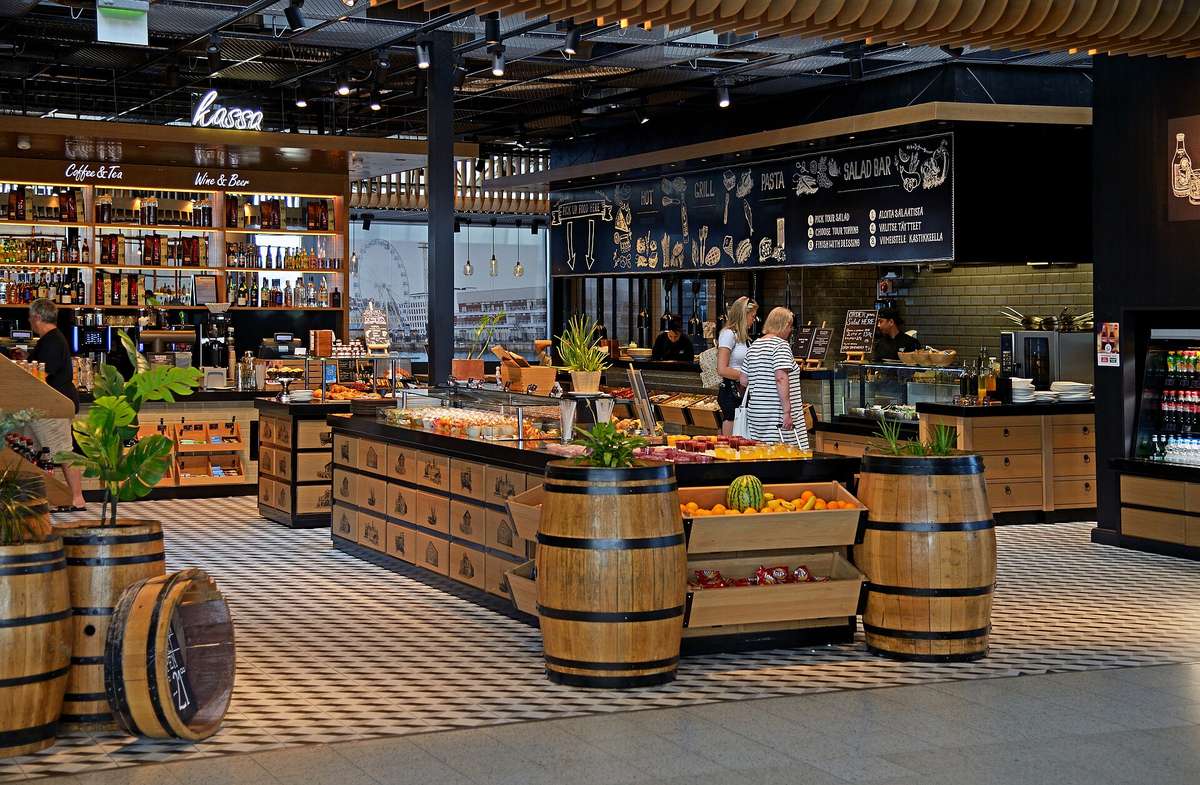
Supermarkets and Local Markets: Prices and Practicalities
Two hundred forty-five dollars. That is what one traveller spent on food across fourteen days in a hot, humid country, per person. It works out to roughly $17.50 a day. The reason the number stayed low was not discipline or a spreadsheet. It was heat, humidity, and a lack of appetite. They ate less than they expected, and they visited supermarkets more often than usual, which pulled the food cost down further. That combination, small appetite plus grocery runs, is repeatable in a lot of places.
The Kitchen Math
Hostels have kitchens. That single fact changes what a day of eating costs. Buy groceries, make pasta, and you can spend $5 and eat better than a $15 restaurant meal. The gap is not small. It is three times the money for food that is often worse. A dorm bed with a stove and a fridge is worth more than a dorm bed without one, even if the nightly rate is a few dollars higher.
On a first evening in Pristina, one traveller did a quick supermarket run for snacks and drinks. The total came to €5.74, or about $6.20. Those snacks lasted the entire stay in Kosovo, because the large dinners elsewhere had left them full. One shop, one small bag, food sorted for days. That is the pattern worth copying: buy less than you think you need on arrival, then top up.
What Street Food Costs
In Brazil, food is rich and varied, and cheap eats are everywhere. Pão de queijo, street feijoada, pastel, all under $3. Cooking at home can be economical there, but supermarkets get pricey if you are not sourcing locally or seasonally. The market beats the aisle.
In South America generally, street food runs about $3 per meal. Groceries for the same meal cost about the same. So the choice is not always cheaper versus more expensive. Sometimes it is just whether you want to cook.
Vietnam is cheaper still. A cà phê sữa đá, the drip coffee with condensed milk, runs 20,000 to 50,000 VND at a neighborhood café. That is $0.80 to $2.00. The country is the world’s second-largest coffee producer, which explains the price and the quality.
Bolivia has its own version of a good deal. In La Paz, a place called Popular Cocina Boliviana serves a Bolivian set meal done upmarket, described as gourmet style, at about 50 BOB, or $7, for the set. That is a restaurant meal at street-food prices.
Daily Benchmarks
Pull the numbers together and the ranges are wide, which matters when you are picking a country.
A budget backpacker day, meaning shared dorms, public transport and local markets, sits at £40 to £60, or $53 to $80. The same figure expressed in euros is €47 to €70, which lands in the same place.
A tighter budget, street food plus markets plus supermarkets, runs $25 to $40 per day.
Western Europe is a different animal. In Lisbon, Berlin or Barcelona, expect $70 to $120 per day for a hostel dorm or an inexpensive private room, groceries and market meals, some casual cafes, and public transport. That is the floor, not the ceiling.
Cambodia punches above its weight for budget travelers, though prices in Siem Reap, the base for Angkor Wat, have crept up with tourism demand. Budget guesthouses near the Old Market area run $8 to $14 a night. A tuk-tuk driver hired for a full-day Angkor circuit charges around $15 to $18 for the vehicle.
Where the Money Goes
Breakfast is the meal to get for free. Hotels and bed and breakfasts that include it let you fill up enough to possibly skip lunch. Lunch does not need to be elaborate. A sandwich from a supermarket or something from a street stall does the trick. Dinner can be had at small family-run places for cheap.
That is the whole structure. Free breakfast, a $3 lunch, a cheap family dinner, and a supermarket run when the appetite is low or the heat is high. The $245 over fourteen days was not an extreme case. It was an ordinary one, in a place where the food was good, the portions were large, and nobody felt like eating much anyway.
Leave a Reply