Some links on this page are affiliate links. If you book or buy through them, we may earn a small commission at no extra cost to you. It never changes what we recommend — every price here is one we would pay ourselves.
A set-menu lunch in Western Europe runs about $10.80. Summer adds roughly $400 to $700 to a mid-range Europe trip for a single traveler flying out of the US East Coast, mostly through higher flights and higher rooms.
What Shoulder Season Actually Costs
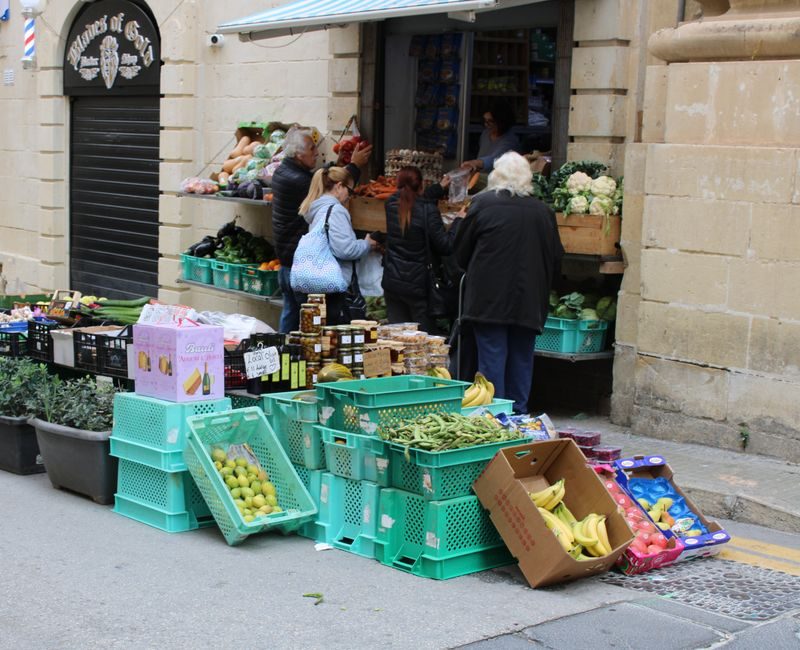
A set-menu lunch in Western Europe runs about $10.80. The wine can cost $3. A train between cities costs less than either. That is the shape of the place in the months nobody writes home about. The set menu is usually a chalkboard propped outside the door, three courses, a starter of something cured, a main that depends on what the market had that morning, and a dessert nobody finishes. The wine is the house pour, served by the carafe rather than the bottle, and it is fine. The train is a regional, not a high-speed, which is why it is cheap and why it takes three hours to cover a distance a car would do in two.
The same trip in July costs more. Summer adds roughly $400 to $700 to a mid-range Europe trip for a single traveler flying out of the US East Coast, mostly through higher flights and higher rooms. Shoulder months cut hotel prices by 30 to 50 percent and keep the weather decent. December and January are the other end of it: peak pricing, no discount, no thanks. The classic shoulder windows are late April to early June and September to mid-October, though the southern edges of the continent push that later. The trade-off is real but small: some coastal restaurants close after the first week of October, some mountain lifts stop running, and a handful of museums shift to shorter winter hours. What a traveler gets in exchange is a table without a reservation, a room at a price that makes sense, and streets where the people walking them live there.
On a trip with limited days, reserved entry is how the plan survives.
The Europe Numbers
Start with the flights, because they sit outside everything else. Round-trip from the US runs $600 to $1,400 per person depending on season and route. That is a separate line in the budget. It is not part of any daily figure. Once you are in Europe, the daily costs begin. The spread inside that $600 to $1,400 is wide, and it comes down to how far ahead the ticket is bought and how many connections the routing carries. A single-stop itinerary on a legacy carrier sits at the top of the range; a budget carrier flying into a secondary airport sits near the bottom, and the fare often excludes a checked bag.
Between European cities, low-cost carriers usually run $30 to $120 per segment. Trains are cheaper on some routes. A set-menu lunch lands near $10.80. Wine at $3 exists and is drinkable. Lisbon and the Algarve have gotten expensive in summer, so the play is shoulder season or the interior. Hotels under $50 per night are still findable, and some chains price rooms below that depending on location, season and membership savings. The membership savings are usually a free sign-up rather than a paid tier, and the discount only appears once logged in, which catches people who book as a guest and wonder why the rate looks higher. Budget carriers on the cheap end also tend to fly into airports well outside the city they name, and the bus or train into the center can add an hour and a real cost to a fare that looked like a bargain.
Altitude Sets the Price
Two things compound in the mountains: altitude and foot traffic. A kilogram of rice costs $0.80 in Kathmandu. The same kilogram costs $1.50 in Namche Bazaar at 3,440 meters. At Gorak Shep, 5,164 meters, it costs $3.50. The rice does not fly itself. It rides on the back of a porter, on a plane to Lukla, or on a mule train up the valley, and every meter of elevation it climbs is a meter somebody hauled it. The price steps up in stages, not smoothly, which is why the same bag of rice can cost one thing at the bottom of a climb and another at the top.
Teahouses price meals to cover those supply costs and still keep enough margin to stay open through the four to five months of off-season when no trekkers arrive. That is the whole explanation for why a plate of dal bhat costs what it costs at 5,000 meters. Nobody is gouging you. Someone carried the rice.
Trekking lodges run $5 to $10 per night, depending on season. It can drop to $4. That is the floor, and it is not a metaphor. The catch is the trade: a lodge that charges almost nothing for the room expects the guest to eat dinner and breakfast there, and that is where the money is made. Buying a meal down the street to save a couple of dollars is remembered. The altitude itself is the other thing that gets underestimated. Above 3,000 meters the pace slows, appetite disappears, and the sensible move is a rest day rather than a push, which adds a night to the budget whether or not it was planned.
Cheap Places, Real Numbers
Arugam Bay, in season, delivered surfing on two separate days for $10 total. Not per day. Ten dollars altogether. That is board rental and a ride out, and it is the kind of number that only appears when a place still has more fishermen than surfers. The season there runs roughly April to October, and the point breaks work best in the morning before the wind picks up.
Then there is the delta country. Daily costs there are arguably the lowest on earth: $1 meals, $10 hotels, river-boat travel through the largest delta in the world. The tourism infrastructure is thin. For someone who has done this before, the value is unmatched. For someone who has not, thin infrastructure means what it means. It means guesthouses without English signage, buses that leave when full rather than on a schedule, and a plan that has to bend around what is actually running that day. None of that is a problem for a traveler who has learned to build slack into an itinerary. It is a hard first trip for someone who has not.
What the Numbers Do Not Cover
Every figure above stops at the border of the country you are visiting. It covers costs once you are in Europe, or in the delta, or on the trail. It does not cover getting there. Flights from the US are their own line item, $600 to $1,400, and they vary more than anything else in the budget. That is the line that moves most when a trip is moved by a few weeks, which is why shoulder season pays off twice: once on the room and once on the seat.
The other thing the numbers do not cover is what happens when something goes wrong. If you need medical attention in a country where you do not speak the language or know where to go, an emergency assistance hotline tied to your travel insurance can refer you to a facility that accepts it. That is not a cost. It is the reason the cost matters less than it otherwise would. The hotline number is usually printed on the policy card, and the one time it matters is not the time to go looking for it. A clinic that takes the insurance is a different thing from a clinic that takes cash and sorts it out later.
Shoulder season is not a trick. It is arithmetic. The rooms cost 30 to 50 percent less. The flights cost $400 to $700 less than summer. The lunch costs $10.80 and the wine costs $3. The only thing you give up is the version of the trip everyone else is posting.
Leave a Reply