Some links on this page are affiliate links. If you book or buy through them, we may earn a small commission at no extra cost to you. It never changes what we recommend — every price here is one we would pay ourselves.
A German traveller described arriving after nearly 20 hours of travel and then waiting two hours in a queue that was not especially long — about 12 people — just to collect a car. The usual routing is a transatlantic hop to a Western European hub and then a low-cost connection onward, and the low-cost leg is where the.
Moldova does not appear on many itineraries. That is the point. What follows is what the money actually looks like, drawn from travellers who have done it and written down what they spent.
Worth saying at the start what kind of country this is, because the numbers only make sense against the place. Moldova sits between Romania and Ukraine, landlocked, roughly the size of Maryland, and it is one of the poorest countries in Europe by almost any measure. That is precisely why the costs run low and why the arithmetic below is worth trusting: it is a cheap country, not a cheap trick. Chisinau, the capital, is a city of Soviet-era apartment blocks, wide boulevards and a surprising number of parks, and the countryside is rolling farmland and vineyards, with villages where the wells still work and the wine is made in the cellar. None of it is staged for visitors. That has consequences, both good and mildly annoying, and both show up on the bill.
Getting There
The English have the easiest run at it, since Europe is on their doorstep. One-way flights from London to the main capitals sit at around £50, which converts to roughly $54. Cheaper still if you catch a reduced fare. That is the entry price, not the whole story. A German traveller described arriving after nearly 20 hours of travel and then waiting two hours in a queue that was not especially long — about 12 people — just to collect a car. Apparently there were problems releasing or locating the available vehicles. No information or apology came from the rental company. Twenty hours of transit, then two more hours standing still. Budget for the delay as well as the fare.
The thing to understand about that two-hour wait is that it is not a Moldovan phenomenon so much as a small-airport phenomenon. Rental desks at smaller terminals often run on one or two staff, and when a flight lands and a dozen people all want cars at once, the paperwork does not move any faster because the queue is short. It moves slower. What typically goes wrong is not the queue itself but the mismatch between what was booked online and what is actually on the lot; the car is there, the system does not think it is, and someone has to walk out to the lot with a clipboard to resolve it. Arriving with a printed confirmation and a screenshot of the booking helps. Arriving with a plan for the first night that does not depend on having the car that evening helps more.
For anyone coming from the United States, the flight math is different and worth stating plainly. There is no cheap nonstop from the US to Chisinau. The usual routing is a transatlantic hop to a Western European hub and then a low-cost connection onward, and the low-cost leg is where the $54-style fares live. The long-haul portion is not cheap, and no amount of itinerary creativity changes that. The practical consequence is that Moldova is rarely a standalone destination for an American traveller; it is the second or third stop on a longer European trip, which is also when it starts to look like a bargain rather than an oddity.
What the Money Buys
Some costs are small enough to forget. Bathing in the rivers and at the Blue Eye spring carries a small entrance fee of about €3, or $3.24. That is the sort of number that does not change a trip. It is also the sort of number that adds up if you do it every day.
Luggage organisers are the cheap fix nobody talks about. Cubes, dividers, whatever you call them — they separate shirts from underwear, toiletries from chargers, and they run about $12 depending on size at most outdoor shops. Twelve dollars to stop living out of a pile. Worth it on a long trip, pointless on a short one.
The broader pattern in Moldova is that the fixed costs are the ones that bite, and the daily costs are the ones that do not. Getting there is the expensive part; once there, a day of eating and moving around tends to cost less than a single round of drinks would back home. The categories that quietly add up are transport between towns, which is cheap per ride but adds up if the itinerary is restless, and museum or site admissions, which are individually trivial and collectively real if every one is taken. Locals do not treat these as luxuries, because they are not; the habit is to pick one or two and skip the rest, which is also the habit that keeps a trip cheap.
On a tight itinerary, skipping the ticket queue is worth planning for.
Ten Days, Itemised
One traveller published a full breakdown of a ten-day trip to the Lofoten Islands in Norway: every expense, plus the tricks for keeping the budget tight and finding the best deals to get there. That is the model worth copying. Not the destination — the method. Write down everything. Ten days, every krona converted, every ferry and coffee and campsite fee. The number at the end is the only one that tells you the truth about a country. Norway and Moldova will not produce the same figure, but the exercise is the same.
What the exercise actually involves is duller than it sounds and more useful than almost anything else. It means keeping the receipts, or at least photographing them, and writing the number down the same day, because by the next morning the coffee and the bus fare have blurred into one vague memory. It means converting as you go rather than at the end, so the running total stays honest while there is still time to change behaviour. And it means separating the one-off costs — the flight, the rental car, the visa, if one applies — from the recurring ones, because those two categories respond to completely different decisions. The one-offs are booked in advance and mostly fixed. The recurring ones are decided daily and are where a trip either stays cheap or quietly does not.
The other thing a written breakdown does is expose the lines that were not worth it. There is always at least one: the taxi that cost several times the bus, the museum that took twenty minutes, the meal eaten near a landmark because it was there. Ten days of honest notes will surface it, and the next trip will not repeat it.
Food, If You Have a Fine Palate
For those with a delicate palate, this is the moment to discover real Japanese cooking and let yourself be surprised by textures, tastes and colours. Not to be missed: onigiri, takoyaki and fugu. You will not look at your usual sushi the same way again. That is the argument, anyway. The practical version is that eating well in an unfamiliar cuisine costs less than eating badly in a familiar one, provided you eat where the food is actually from.

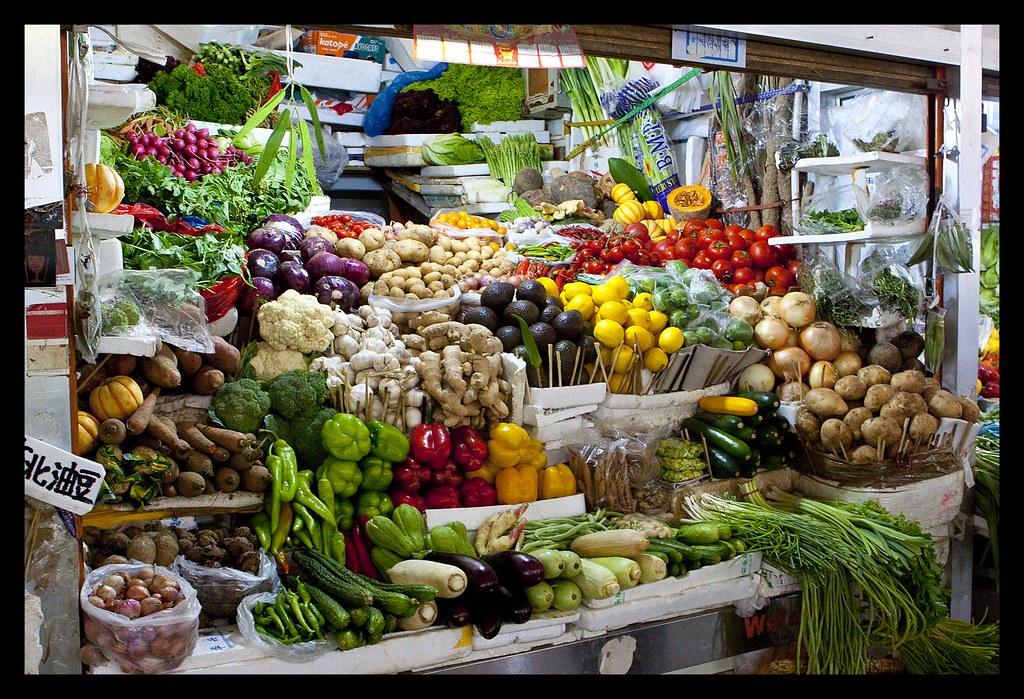
Moldovan food is not Japanese food, and the same principle applies with different ingredients. The staples are mamaliga, a cornmeal porridge served with cheese and sour cream; placinte, flat pastries filled with potato, cabbage or cheese and sold cheaply from counters and market stalls; and soups that are a full meal rather than a starter. The wine is the local point of pride, made from grapes grown within the country, and a bottle from a village cellar costs a fraction of what the same quality would cost in a Western European restaurant. The eating strategy that works is the one that works everywhere: eat where people who live there eat, at the hours they eat, and the bill and the quality both improve. The tourist-facing restaurants in central Chisinau are not bad, but they are priced for people who have just arrived and have not yet found the market.
The Arithmetic of a Cheap Trip
A $54 one-way flight from London sets the floor. A $3.24 spring entrance fee and a $12 set of packing cubes are rounding errors next to it. Two hours in a rental queue costs nothing in cash and a great deal in patience. Twenty hours of travel to get somewhere is a choice, and it is usually the choice that makes the trip affordable.
The pattern repeats across the whole budget. The expensive decisions are made before departure, in the booking, and they are the ones that cannot be undone once the trip has started. The cheap decisions are made every day, and they are the ones that respond to attention. That is why the travellers who spend least are rarely the ones who found the single best deal; they are the ones who wrote things down and noticed which lines were growing.
The Lofoten budget write-up exists because ten days of real spending beats any estimate. Do the same for Moldova. Ten days, every leu converted to dollars, every bus and bed and bowl of soup written down. The total will be lower than you expect, and the individual lines will tell you more than the total does.
Leave a Reply