Some links on this page are affiliate links. If you book or buy through them, we may earn a small commission at no extra cost to you. It never changes what we recommend — every price here is one we would pay ourselves.
A two-week trip through Eastern Europe runs about $700 to $900 per person, flights excluded. The daily budget bands tell the story cleanly: Western Europe wants roughly $200 per day, Central Europe about $140, and Eastern Europe closer to $76.
What Two Weeks Costs
A two-week trip through Eastern Europe runs about $700 to $900 per person, flights excluded. That figure covers Slovakia and its neighbours, and it is the number to hold in your head before anything else in this piece. It is not a starvation budget and it is not a comfort budget. It is the middle path: hostel dorm beds rather than private rooms, buses rather than rented cars, one cooked meal a day and a supermarket for the rest.
Slovakia sits in the cheap part of the continent. That matters more than any individual price. The daily budget bands tell the story cleanly: Western Europe wants roughly $200 per day, Central Europe about $140, and Eastern Europe closer to $76. Those are converted from euro figures of 185, 130 and 70. Scandinavia, for contrast, runs about $248 a day. The bands are broad averages, and any given day can land above or below them depending on whether a museum ticket or a long train ride falls on it, but over two weeks the averages assert themselves.
For anything with a queue out front, buying ahead is the obvious move.
Slovakia falls on the low side of that Central-to-Eastern split. If you track your spending against the $700 to $900 total, you are doing fine. The usual way people blow past it is not one big purchase but a slow accumulation of small conveniences — a coffee here, a taxi there, a paid attraction that turned out to be a room with three exhibits in it.
The Three-Month Benchmark
One traveller’s three-month Europe trip came to $3,440.50 per person for everything. That breaks into four chunks: $1,216, $290, $370 and $1,564.50. Nothing about that total is exotic. It is accumulated small decisions. The four blocks are worth reading as a shape rather than as a set of numbers: two large chunks carrying the bulk of accommodation and transport, and two smaller ones covering the day-to-day spending that never feels like spending at the time.
Transport is where the leaks hide. On a 29-day run through Java, Bali, Flores and Komodo, two people spent 327.15 euro on taxis, ferries, trains and buses combined. That converts to about $353 for two people, or roughly $6.09 per person per day. Read that again. Transport across four islands, a month, for the price of a couple of restaurant dinners back home.
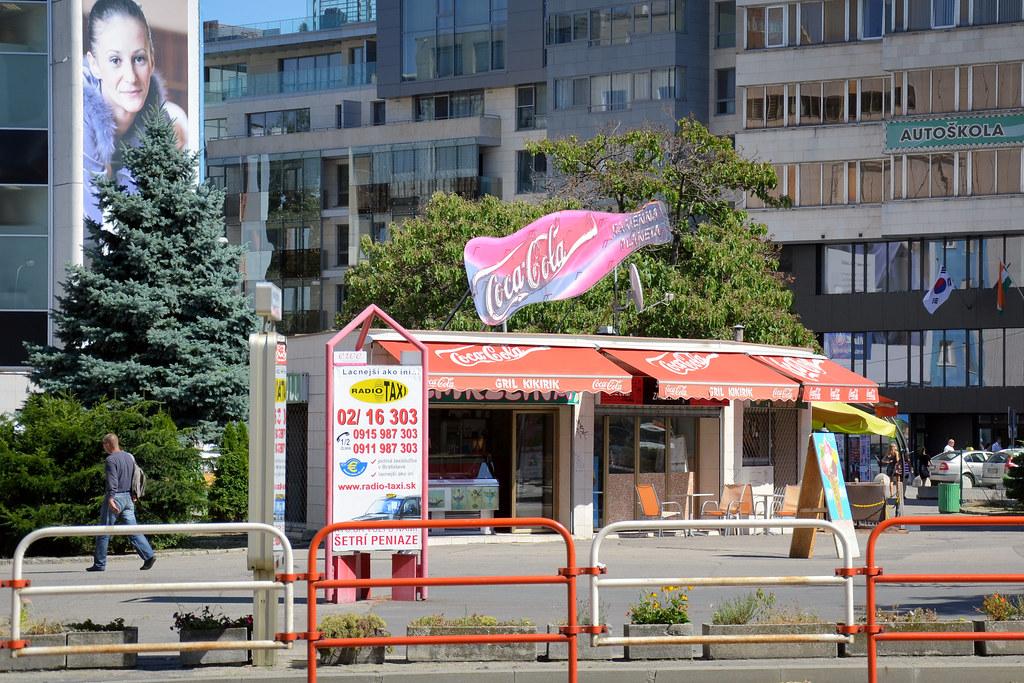
Slovakia is not Indonesia. But the principle travels. Buses and trains between Slovak towns cost a fraction of what the same distance costs further west, and the country is small enough that no leg is long. Bratislava to Košice, roughly the full length of the country, is a few hours by train and a good deal less by bus. The practical consequence is that a two-week itinerary can move around freely without transport ever becoming the thing that dictates where the trip goes next. Locals use the trains and buses constantly; the network is dense, the timetables are reliable, and buying a ticket at the station window is a normal transaction rather than an ordeal.
Where the Money Goes
Food is the line item you control most. A question that comes up constantly from travellers heading to Lisbon’s Alfama district is whether $10.80 per person covers lunch and dinner. That is 10 euro converted. In Portugal, sometimes. In Slovakia, more reliably, and often with room left for breakfast groceries. The pattern that works is the one locals follow: a proper sit-down meal at lunch, when the daily menu at a ordinary restaurant is at its cheapest, then bread, cheese, salami and whatever fruit is in season from a supermarket for the evening. Slovak grocery chains are well stocked and the deli counters will slice to order.
Visas and entry paperwork are a separate drain, and they stack. Multi-country trips can accumulate $100 to $500 in fees alone. Southeast Asian e-visas run $20 to $50. The upcoming ETIAS scheme for visa-exempt visits to Europe will cost about $21.60, converted from 20 euro. Longer stays or anything work-related cost considerably more. None of this is Slovakia-specific, but a two-week run through several countries will hit some of it. The fees are also the least flexible part of any budget, which is why it pays to price them before booking flights rather than after.
Comparing the Neighbourhood
The wider context is worth knowing. Slovakia is routinely grouped among the nine most affordable countries in Europe to visit in 2026. That ranking exists because the daily costs sit at the Eastern European end of the scale rather than the Central European one, and because the country has enough to fill two weeks without needing to cross a border. Castles, cave systems, the Tatras, the old towns, the spa towns — the list is long enough that a forced border crossing is never the reason to leave.
For a sense of scale on the other end: a realistic mid-range budget from the US for a single person on a ten-day trip covering two or three European countries in 2026 assumes private rooms, unrestricted food and activity spending. That is a different trip from the one this article describes. The $700 to $900 figure assumes dorm beds, groceries for breakfast and snacks, and paying attention. Both are legitimate ways to travel. They simply produce different numbers, and confusing one for the other is how people end up disappointed by a spreadsheet.
The Honest Arithmetic
Ten thousand euro for a year around the world is achievable. It is also entirely dependent on which countries you choose. Spend one month in India, the cheapest country on a typical route, and nine months across Australia, the South Pacific and the USA, and the budget stops working. The countries have to match the money. That is the whole lesson. There is no clever hack that rescues a route built out of expensive countries.
Slovakia matches a small budget. Two weeks there, at $700 to $900 excluding flights, sits comfortably inside the Eastern European band of about $76 per day. The transport numbers from comparable trips suggest getting around will not be what breaks you. Food will not either, if you buy groceries for breakfast and snacks and eat one proper meal out. Accommodation is where the discipline shows: dorm beds in the bigger towns and guesthouses in the smaller ones keep the nightly figure where it needs to be.
What breaks budgets is drift. A private room instead of a dorm. A taxi instead of a bus. A country added because it was nearby. The $3,440.50 three-month total came from four separate spending blocks, and none of them was dramatic on its own. Drift is also hard to notice while it is happening, because each individual decision is defensible. The fix is boring: check the running total every few days rather than at the end.
Slovakia is a place where the arithmetic stays friendly for longer than you expect.
Leave a Reply