Some links on this page are affiliate links. If you book or buy through them, we may earn a small commission at no extra cost to you. It never changes what we recommend — every price here is one we would pay ourselves.
If a room is listed at $40, half off is $20, which is another night somewhere else. A bus from Rio de Janeiro to Foz do Iguaçu runs 19 hours and starts at BRL 270, which is about $70.
Walk In, Pay Less
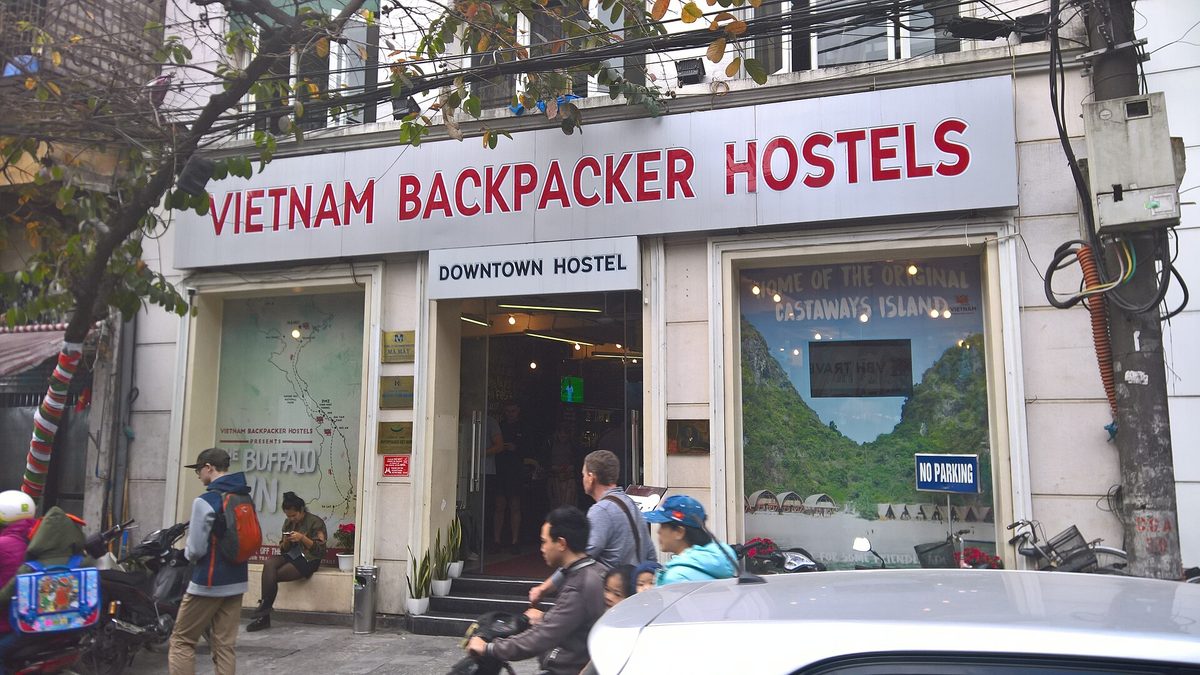
In most of Asia, the listed price is a starting point, not the price. Walking in without a reservation, asking to see the room first, and then talking about the rate saved travellers 30% to 50% against what the same bed or room was going for online. Malaysia and Indonesia are the exceptions. Everywhere else in the region, the desk rate came in lower than the screen rate, and it moved lower still once you were standing there with your bag.
The mechanics matter as much as the principle. The walk-in discount is real because the booking platforms take a commission of roughly fifteen to twenty per cent, so a guest who arrives unannounced is worth more to the property at the same headline number. Staff know this. What they are weighing is the risk of an empty bed tonight against the certainty of a slightly thinner margin, and after about four in the afternoon that calculation tilts hard in the guest’s favour. Arriving mid-morning, when the owner still believes the room will sell at full rate, gets a shrug. Arriving at dusk, when the receptionist is counting heads and thinking about the night audit, gets a number that was not on the board.
It helps to have the online listing open on a phone and to mention the figure without arguing about it. The usual outcome is the desk matches it and then knocks something more off, often by offering a smaller room or a windowless one at a lower tier, which is fine for a night or two. What tends to go wrong is arriving during a festival, a long weekend, or a citywide conference, when the walk-in rate is not just higher than the screen rate but higher than anything listed anywhere, because the alternative is the street. In those weeks the screen rate is the discount, and booking ahead is the cheaper move. It also pays to ask whether the quoted rate includes tax, since some properties quote the pre-tax number at the desk and add a service charge at checkout.
That saving is not abstract. If a room is listed at $40, half off is $20, which is another night somewhere else.
The Rating Filter
Hostel listings carry a rating, usually out of 10. Filtering for anything above 8.0 before you start searching does two things at once. It screens out the places with a pattern of complaints, and it leaves room for the odd bad review, because almost nothing real scores a perfect 10. An 8.0-and-above cut still returns plenty of options in most cities. It just returns fewer of the ones you would have regretted.
Reading the reviews is a separate skill from counting them. A single furious review about a broken air conditioner in July is a data point about that room on that night, not a verdict on the building. Ten separate mentions of a slow check-in, or six people describing the same noise from the same street, is a pattern, and patterns repeat. The most useful reviews are the ones that describe the walk from the nearest transport stop, because that is the detail the listing photographs never show, and it is the one that decides whether a place is convenient at midnight. A hostel can be clean, cheap and friendly and still be a thirty-minute walk from anywhere worth going. Scanning the last two months of reviews rather than the overall score catches the places that changed management or lost their water pressure in spring. The listing photos themselves are worth a second look for the things that are absent: no shot of the bathroom, no shot of the dorm, and a very careful crop of one corner of the room usually mean the rest of it does not photograph well.

Book Some Things, Skip Others
The walk-in rule is not universal. Advance tickets for popular attractions cost less than gate prices, and the Colosseum, the Uffizi and teamLab all run this way. You also skip the two-hour line. That is a rare case where paying early is both cheaper and faster.
On a short trip, pre-bought tickets buy back the hours you would spend queueing.
Long-distance buses are a different calculation. A bus from Rio de Janeiro to Foz do Iguaçu runs 19 hours and starts at BRL 270, which is about $70. Buy the ticket at least a day ahead. These are convenient, but they are not cheap, so treat an overnight bus as a real line in the budget rather than a free ride.
An overnight bus is also a night of accommodation, which is easy to forget when the fare looks high next to a hostel bed. The trade is comfort for a saved room night, and how that lands depends on the bus. A reclining seat with a footrest and a working reading light is a tolerable night. A seat that barely tilts, next to the toilets, with the interior lights on until two in the morning, is not, and the difference in fare between those two buses is often smaller than the difference in how the next day goes. Buying a day ahead does two things: it secures a seat rather than a standing spot on the popular departures, and it leaves time to ask at the counter which side of the bus faces the scenery, since on the Foz route the falls approach is worth being awake for. Buses that cross a border usually stop at both sides of it, and the passport queue can add a couple of hours to the scheduled arrival without anyone announcing it.
Flights reward a split. When the departure city is not near a large international airport, booking a cheap direct flight to Europe out of a bigger hub and then a separate commuter flight to that hub cut roughly $200 per person on one trip that started with a flight out of Richmond, Virginia and a commuter hop to Newark.
The catch with a split ticket is that the two legs are not connected, so a delayed commuter flight does not obligate the long-haul carrier to do anything. The buffer between the legs is the whole insurance policy, and a same-day connection with ninety minutes between flights is a gamble on the commuter leg’s punctuality. A morning commuter flight and an evening departure, or a night in the hub city, turns the saving from a risk into a plan.
What Breakfast Is Worth
Booked accommodation with a decent breakfast earns its place. Hotel buffets exist for a reason, and the reason is that before 9 a.m. all you want is coffee and something in your hand. Paying a little more for a room that includes it removes a meal from the daily spend and removes the search for it.
The word doing the work there is decent. A buffet with eggs, fruit and real coffee is worth several dollars a head and an hour of the morning. A basket with two slices of white bread, a sachet of instant and a boiled egg is worth neither, and paying a premium for it is just a more expensive room. It is worth checking what the listing actually promises, because included breakfast covers everything from a full spread to a piece of fruit on the counter. Where a hostel has a kitchen, the calculus flips: self-catering is cheaper than any included breakfast once the room rate is stripped back, and the market run doubles as the day’s first look at the neighbourhood.
A Worked Example
Three nights in a flat found for its central location and a spacious terrace overlooking the city came to €123.69, or about $133.59 at 1 EUR = 1.08 USD. That is €61.85 per person, roughly $66.80 each, for three nights. Call it $22 a night per person.
That is the shape of the whole exercise. One booking at a fair rate, one breakfast included, one attraction bought in advance, one bus ticket bought a day early, and one flight split into two cheaper legs. None of it is dramatic. It adds up anyway.
Cash And Card
Avoid withdrawing cash on a credit card. The cash advance fee is very high, and it lands on top of whatever the withdrawal itself costs. This is the one line item where the cheap option and the obvious option are the same: use the card for what it is for and get local currency another way.
The usual workaround is a debit card at an ATM belonging to a major bank, in a branch or a shopping centre rather than a standalone machine on a street corner, and declining the machine’s own conversion offer in favour of being charged in the local currency. That last step is the one people skip, and it is the one that quietly adds a few per cent to every withdrawal. Taking out larger amounts less often cuts the flat fee per transaction, and keeping a small reserve of cash for markets, small guesthouses and the odd taxi covers the places that never take a card.
Confirm Before You Go
Prices here reflect mid-2026 conditions and are realistic planning ranges, not quotes. Exchange rates, fares and tour prices change. Confirm live before booking anything. The numbers above are what the numbers were, and the method is what holds up: filter the rating above 8.0, walk in where walking in works, book ahead where booking ahead is cheaper, and keep the cash advance off the credit card.
Leave a Reply