Some links on this page are affiliate links. If you book or buy through them, we may earn a small commission at no extra cost to you. It never changes what we recommend — every price here is one we would pay ourselves.
The $30-a-day figure that gets passed around for Southeast Asia is real, in the sense that people do spend it. The $3,000 figure is roughly ten times a lean Southeast Asia month.
The Numbers That Actually Bite
A three-day pass to Angkor Wat costs $62. A ride on a local bus around Colombo runs 20 to 30 Sri Lankan rupees, which converts to somewhere between $0.18 and $0.27. Those two figures sit at opposite ends of the same problem, which is that the headline daily budget people quote for a region rarely survives contact with the region itself.
The $30-a-day figure that gets passed around for Southeast Asia is real, in the sense that people do spend it. It is also the figure that blows up first, because transport and visa fees are not daily expenses you can smooth out. They arrive in clumps. A visa here, a long-distance bus there, and a month that was tracking fine is suddenly not tracking fine. That is the part that catches first-timers, not the food and not the beds.
What the daily number hides is timing. Visa runs, border crossings and the long-haul legs between countries tend to land in the same week, so a month that looked comfortable on paper can absorb two entry fees, a domestic flight and a night in an airport hotel before the calendar turns. The people who stay on budget are the ones who track the fixed costs separately and let the daily spending float underneath them, rather than dividing a total by thirty and hoping the weeks behave.
On a trip with limited days, reserved entry is how the plan survives.
Where the Money Goes in Asia
Street food prices shift by region, which means a budget built on one city’s noodle stalls will not hold in another. In Malaysia, going up to the sky bridge of the Petronas Twin Towers costs $20. Singapore’s Gardens by the Bay is a paid attraction too, and these are the entries that quietly add $40 or $50 to a stop you thought was free to walk around.
For scale on the cheap end: the price of one liter of whole fat milk, one kilogram of tomatoes, one kilogram of potatoes and a loaf of bread for two people comes to a single small figure in most of the region. That is groceries, not restaurant meals, and it is the kind of number that tells you a self-catered week is a different animal from a week of eating out three times a day.
Get the geography wrong and it costs more. A three-day, two-night budget itinerary in Yogyakarta is a genuinely cheap trip. A two-week backpacking trip from Paris, including a $65 to $108 round-trip flight on a low-cost carrier, two weeks of comfortable travel on a small budget, and a few paid activities, comes in at $540 to $756 total. Two weeks. That number exists because the flight was short and the country was cheap. The same two weeks in a different country is a different number.
The mechanism behind that gap is distance. A cheap flight turns a two-week trip into a two-week trip in one place; an expensive one eats the budget before arrival. Within Asia, overnight buses and trains do the same work as the budget flight, and they do it for less, provided the traveler is willing to lose a night of sleep to a reclining seat. The trade is real and most people make it once before deciding whether the saved money was worth the stiff neck.
Japan Is Not Southeast Asia
A budget goal of $3,000 per month for Japan came in about $1,000 over, or 17 percent, across a stay just short of two months. That is the honest version of a budget: you set it, you miss it, and you find out by how much. Seventeen percent is not a disaster. It is also not nothing, and it usually comes from the same places — transport between cities, and the paid entries you did not plan for.
The $3,000 figure is roughly ten times a lean Southeast Asia month. That gap is not about being bad at budgeting. It is what the two regions cost.
The transport line is where most Japan budgets break, because the country rewards moving and punishes moving often. A single long intercity leg can cost more than a week of hostel beds, and the temptation to add one more city is constant. The travelers who hold the line tend to pick a base and day-trip from it, buying the regional pass that fits the route rather than the national one that covers everything they will never use. Convenience store meals do the rest of the work, and they are genuinely good, which is not something that can be said of a cheap meal in every country.
Northern Europe and the Arctic
A beer in Oslo or Zurich runs €8 to €10, which is $8.64 to $10.80. Coffee and snacks are priced to match. If you are heading north, this is the number to plan around, because it is not one expensive item on an otherwise cheap day. It is the baseline.
For anyone travelling from a country where a beer is a few dollars, the northern tier is where a daily budget built on habit fails fastest. The advice that circulates for living costs in a high-price country is to budget close to your usual consumption and add 20 percent for local pleasures and small extras. That 20 percent is not padding. It is what happens when the coffee is $5 and you drink three of them.
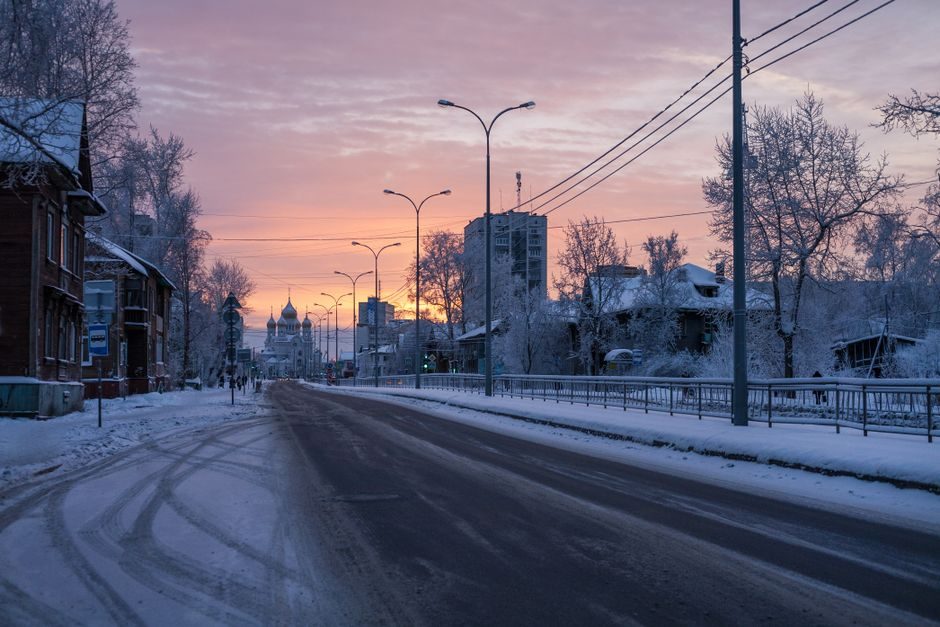
The same logic applies the further north the trip goes. Once past the Arctic Circle, the small stuff stops being small: a ferry crossing, a bag of groceries in a remote town, a night in a hostel that exists because there is nowhere else. Alcohol is taxed hard in the Nordic countries and sold through state monopolies with limited hours, so the drink that seemed reasonable in the bar is a different proposition at the till. Locals plan around this by buying at the monopoly before a weekend away and carrying what they need, which is why a cabin full of groceries on a Friday afternoon is a common sight. For a traveler, the practical version is to eat one proper meal out a day and treat the rest as groceries, and to accept that a northern trip is bought in fewer, larger instalments rather than many small ones.
Booking Nothing, Spending Less
Immunizations are a real line item and a variable one. Travellers coming from Australia to Southeast Asia often pay far less for flights than those crossing from Europe or North America, which changes the whole arithmetic of a trip before a single night is booked. It also means the same two-week itinerary has wildly different totals depending on where you start.
The pattern across all of this is that the fixed costs — flights, visas, immunizations, the big paid attractions — decide whether a trip is affordable, and the daily costs decide whether it is comfortable. Southeast Asia lets you be both. Japan makes you pick. Norway and Switzerland make you pay for the coffee either way.
Leave a Reply