Some links on this page are affiliate links. If you book or buy through them, we may earn a small commission at no extra cost to you. It never changes what we recommend — every price here is one we would pay ourselves.
A six-bed mixed dorm at Ostello Bello in mid-March runs 50 euro, which is about $54. A single room at the same place is 103 euro, or roughly $111.
What a Bed Costs
A six-bed mixed dorm at Ostello Bello in mid-March runs 50 euro, which is about $54. A single room at the same place is 103 euro, or roughly $111. That second number is the one that matters, because a B&B hotel in the same city often prices its single rooms in the same range. You are not saving much by taking the dorm, and you are giving up a door that locks.
The dorm itself is the usual arrangement: a metal-framed bunk, a reading light that may or may not work, a locker that fits a daypack if you bring your own padlock, and a shared bathroom down the corridor where the hot water runs out somewhere around the third shower of the morning. The single room comes with a key, a desk, a window that opens, and no one switching the overhead light on at two in the morning. Reception at Ostello Bello stays staffed around the clock, which matters more than it sounds when a flight lands after midnight and the alternative is standing on a dark street with a backpack.
If you are waiting out a connection, storing your bags beats guarding them.
Hostels did not stay cheap after Covid. That is the whole story in two numbers. The dorm bed that once undercut every hotel in town now sits close to what a budget guesthouse charges, and the private room at a hostel costs more than the hotel room down the street. Run the comparison before you assume the dorm is the frugal choice.
The staff at a hostel will normally hold a bag after checkout until the evening, and most will let a guest use the kitchen and common area on the day of departure, which quietly saves a day’s worth of cafe sitting. A small B&B rarely offers either. Ask before booking, because the answer changes the real nightly cost.
Cooking Your Own
A budget two-burner propane stove costs $25 to $45. A canister of propane runs about $5 to $8, and one canister gets you roughly two to three trips’ worth of cooking. Do the arithmetic against a restaurant meal and the stove pays for itself quickly if you are staying more than a few days.
The catch is that a canister cannot fly. It is a pressurized flammable gas, so it stays behind when the trip ends, and buying a fresh one on arrival is part of the cost. In practice most travellers buy the stove at home, use it, and either leave the canister with a hostel or hand it to another guest on the way out. The stove itself packs down to about the size of a hardback book and weighs under a kilo, so it travels easily.
A two-burner setup cooks a real meal: rice or pasta on one ring, a sauce or vegetables on the other. A single-burner pocket stove is cheaper and lighter but forces everything into one pot, which gets old by the fourth night. For a stay of a week or more, the two-burner earns its extra weight.
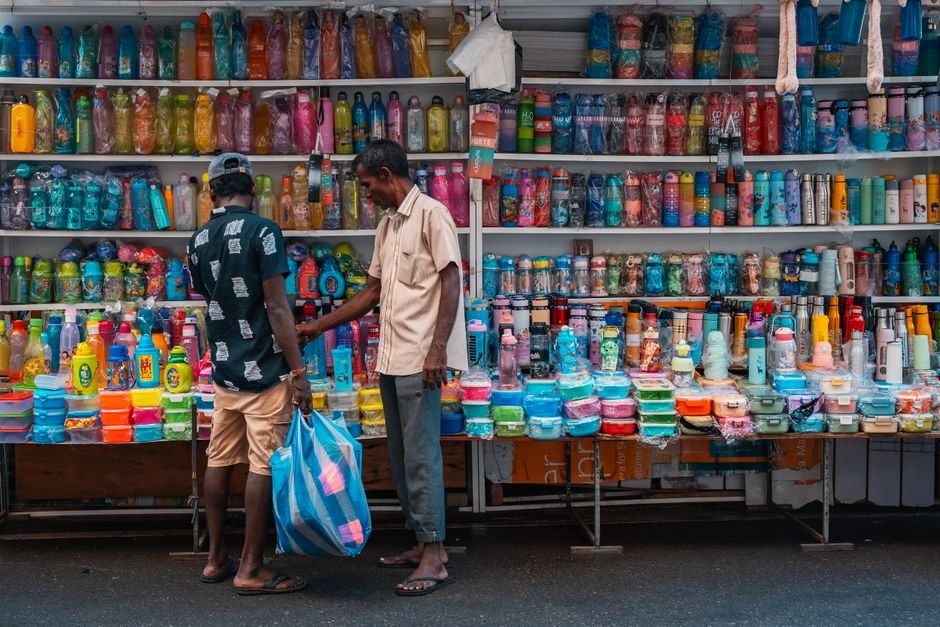
This only works if your accommodation has a kitchen or a space where a stove is allowed. A dorm bed at a hostel usually comes with kitchen access. A hotel single room usually does not. That is the trade you are actually making when you pay $111 for a private room instead of $54 for a bunk: you get quiet, and you lose the ability to cook.
Hostel kitchens are shared, and the good pans disappear by dinnertime. A small non-stick pan of your own, or a decent knife, is worth carrying. Clean up as you go, because kitchens with a reputation for mess get shut to guests, and that rule tends to arrive without warning.
What Else Eats the Budget
Travel insurance belongs in the total. So does a Schengen visa at 90 euro, about $97, if it applies to you, and the future ETIAS fee of around 20 euro, roughly $22, for eligible travellers. A SIM and data top-up is another line. None of these are optional once you have committed to the trip, and none of them show up in the nightly rate you compared.
These are the costs that arrive before the trip starts, which is why they get forgotten. The visa application usually needs an appointment booked weeks ahead, a bank statement, proof of accommodation for the whole stay, and a return ticket, and the processing itself can take a fortnight or more. A local SIM is cheap and easy to buy at the airport or in town, but the top-up runs out faster than expected when maps, translation and messaging all lean on data. Buy the data bundle rather than paying per megabyte, and check the coverage map if the plan involves leaving the main towns.
Add a contingency of 10 to 20 percent on top of your total for inflation and price changes. That is not padding. It is the difference between a budget that survives the trip and one that does not.
The way to hold this together is to allocate a portion of your total to each category before you go. If you have budgeted $1,000 and you plan to spend more on activities than on accommodation, shift the allocation to match. The number is yours to set. What matters is that accommodation, food, transport, insurance and the contingency each get a line, rather than one lump you spend down until it is gone.
Write the lines down somewhere you will actually look at them, and check them every few days rather than at the end. The overspend almost never comes from one big purchase. It comes from the small daily habit, the coffee, the taxi instead of the bus, the snack bought because the kitchen was closed, that quietly drains a category while the others stay on track.
The Numbers From Elsewhere
It helps to see what other destinations cost, because it calibrates what you should expect to pay. Vietnam runs from about $30 a day. A private safari in Kenya starts around $300 per person per day, which puts it in the mid-range bracket for safaris. Licensed trekking guides in Nepal cost $25 to $35 per day in 2026, and porters cost $15 to $22 per day. Those rates are set by the Trekking Agencies’ Association of Nepal as minimum wage benchmarks, and reputable agencies pay at or above them.
A luxury bus from Pokhara to Kathmandu is $24 to $26 one way, lunch and water included. A durian ice cream or a sarabi, a coconut pancake-like snack, costs about Tk 30 per piece in Indonesia, which is a small fraction of a dollar.
The Kenyan figure is the one that surprises people, because it is a per-day number and it is not the total. Park fees, conservancy levies, the vehicle, the guide and the cook are all folded into that daily rate, and a safari quoted below the going rate usually trims one of them. The Nepal rates are set as minimums precisely because the market will otherwise race to the bottom and leave the crews unpaid. Wages paid at or above the benchmark are a signal that the agency is operating honestly.
These are different countries with different cost structures. The point is not to compare Mauritius to Nepal directly. The point is that a daily figure is only useful when you know what it covers. Vietnam’s $30 a day covers a bed, food and local transport in a way that $30 in Mauritius will not.
Reading the Numbers
The hostel-versus-hotel comparison is the one worth repeating. A $54 dorm bed and a $111 single room at the same hostel, when a B&B single is priced similarly to the latter, tells you that the hostel premium is not where you think it is. The savings are in the dorm, and the dorm is not as cheap as it used to be.
Book the first two or three nights before arrival and leave the rest open. The nightly rate in the low season is often negotiable at the desk, particularly for a stay of a week or more, and walking in with a bag and a clear idea of the going rate tends to produce a better number than any listing site. Ask what the rate includes before agreeing, because breakfast, a fan versus air conditioning, and a private bathroom all move the price.
Work out your categories. Set the contingency. Compare the private room to the hotel before you book either. The stove is worth $25 to $45 if you have a kitchen and you are staying long enough to use it twice. If you do not have a kitchen, skip it.
Leave a Reply