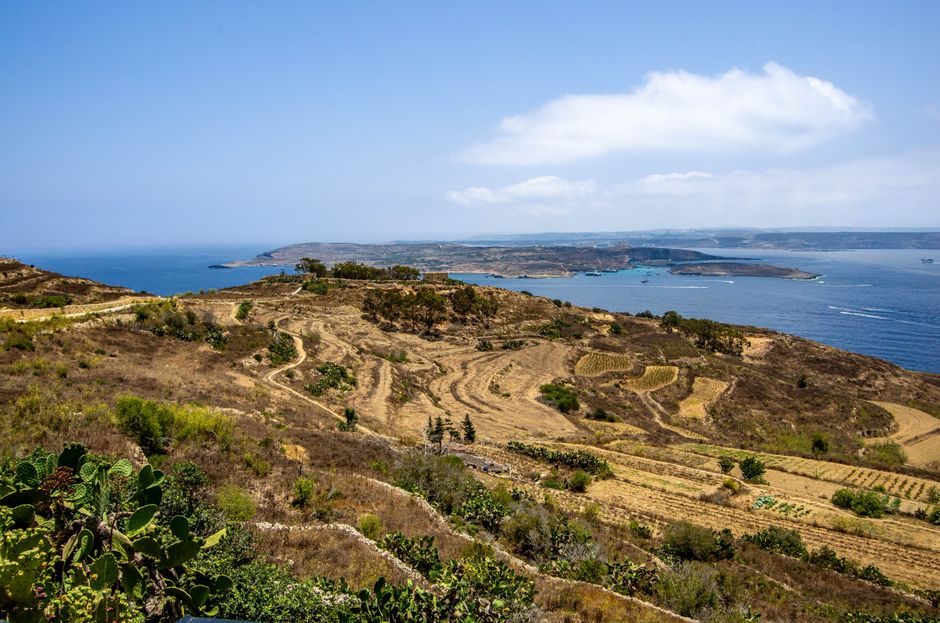
Across budget travellers, daily spending generally lands between $22 and $32. Malta is not Spain and it is not Vietnam. A realistic entry budget is $1,620 a month. Add a 25 percent buffer to whatever you calculate, because the euro moves and the costs move with it.
Malta: What the Numbers Actually Look Like
A day as a backpacker in Spain can cost $49. That is the number to hold onto before anything else, because Malta sits in the same price band as southern Europe and not in the band most people imagine when they picture an island in the Mediterranean. The figures below are what a working budget looks like once you strip out the brochure language.
The Daily Baseline
Across budget travellers, daily spending generally lands between $22 and $32. That is the wide middle. India can be done on roughly $16 a day; Vietnam runs about $11 more than that baseline, so around $27. Spain, as noted, comes in at $49. Malta is not Spain and it is not Vietnam. It sits closer to the European figure than the Asian one, and anyone planning on the $22 end of the range should expect to be cooking, walking, and sleeping in a dorm.
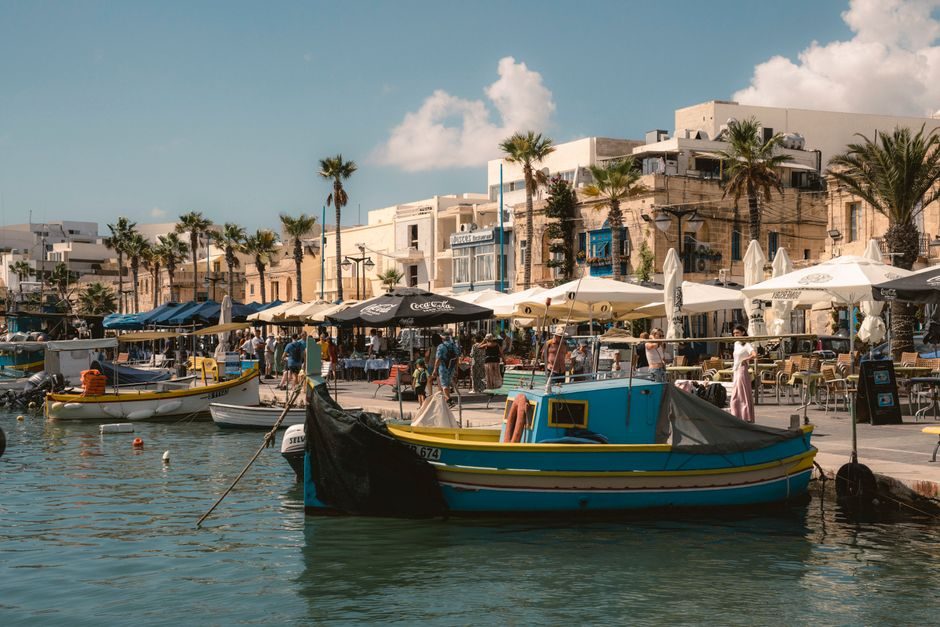
For context on what a longer trip costs, one 29-day run through Java, Bali, Flores and Komodo came to about $7.53 per person per day, or $436 for two people across the whole trip. That number is not a Malta number. It is useful only as a reminder of how far the European baseline sits above the Southeast Asian one. Malta is a European island with European costs, and the daily figure reflects that.
What a Month Actually Requires
A realistic entry budget is $1,620 a month. On that, you live comfortably in Southeast Asia or Eastern Europe and modestly in Western Europe. Malta belongs to the second category. If you are planning a month on the island, $1,620 is the floor, not the ceiling, and the daily range above tells you why: at $32 a day you are at $960 for the month on spending alone, which leaves the rest for accommodation, transport between islands, and the things you did not plan for.
Adding a quarter on top of your estimate to cover rising costs is conservative. It is also the safe side. Currency moves both ways, and the euro can climb or fall against the dollar while you are still saving. A 25 percent buffer on a $1,620 month puts you at $2,025. That is the number to actually hold in your head.
One traveller left home with about $3,780 in the account and treated it as an open question how long it would last, having worked heavily as a promoter shortly before departure to set the money aside. That is a real starting position for a long trip, and it is worth comparing against a single month in Malta at $1,620. The island is not a place to arrive underfunded and figure it out.
Beds, Food and the Small Stuff
Hotel rooms in one comparable destination ranged from $7 to $27 a night, with the average sitting somewhere inside that spread. Dorm beds and budget rooms in Malta will not be the $7 end, but the $27 ceiling is a reasonable anchor for what a private budget room costs in a European market. Thailand shows the other extreme: a five-star hotel there runs about $54, while small bungalows in the south go for $5 to $10 a night. Malta does not have a $5 bungalow tier.
The small spending is where budgets quietly die. On Bali, massages ran $6.71 and $7.38, a pedicure $5.36, a haircut $10.06, and a day at a co-working space $14.74. None of those are large numbers. Add three of them in a week and you have spent more than a night’s accommodation. Malta will present the same pattern in euros, and the same arithmetic applies.
Flights are the line item most likely to blow the plan. Before the pandemic, fares on one route could be had for $389. With the same carrier afterward, the price was over $756. Nearly double, on the same seat. Build the flight cost first and let the daily budget absorb what is left, not the other way around. For a two-day city break in Paris, Rome or Berlin, one estimate put the total at roughly $16 for the flight, $22 a day on food and $22 a day on hostel accommodation, coming to about $27 total for two days. That is an outlier, and it is worth knowing it exists as a ceiling on how cheap a short European hop can be.
Getting There and Moving Around
Highways in Slovenia are tolled at $13.82, and mountain passes cost extra, with the Brenner crossing to Italy at $13.50 one way. If your route to Malta runs overland through Europe before the flight, those are the kinds of charges that accumulate quietly. Travel insurance runs between $32 and $108 depending on duration, destination and coverage. That is not optional on a trip where a medical bill would end the whole thing.
In Spain, metro passes averaged $1.30 a ride, and a museum pass plus a transit pass in Paris came to about $540 total, covering the attractions and transport including airport transfers both ways. Malta is small enough that the transport line stays modest, but the principle holds: bundle the transit and the paid attractions before you go, and the daily figure stops being a surprise.
The $378 Version
A $378 holiday is real, but it requires strategy rather than casual decisions. The right destination, flexible planning and cost control at every stage are the three things that make it possible. Read that against the $1,620 monthly figure and the $22 to $32 daily range. A $378 trip is roughly two weeks at the low end of the daily band with nothing left for a flight, or one week with a cheap fare and careful spending. It is achievable. It is not a month.
What to Plan Around
Two numbers matter more than the rest. The $1,620 monthly entry budget, and the $22 to $32 daily range that sits underneath it. Everything else is detail. Flights have roughly doubled on some routes since before the pandemic, from $389 to over $756, and that is the single largest variable you control by choosing when you go. Add a 25 percent buffer to whatever you calculate, because the euro moves and the costs move with it.
A trip of 14 countries with flights at nearly $4,860 was possible, and would have been cheaper with fewer countries or a slower pace. Malta is one country and one island. The scope is smaller, the daily number is fixed by European prices, and the planning is mostly about accepting the $22 to $32 band rather than trying to beat it.
Leave a Reply