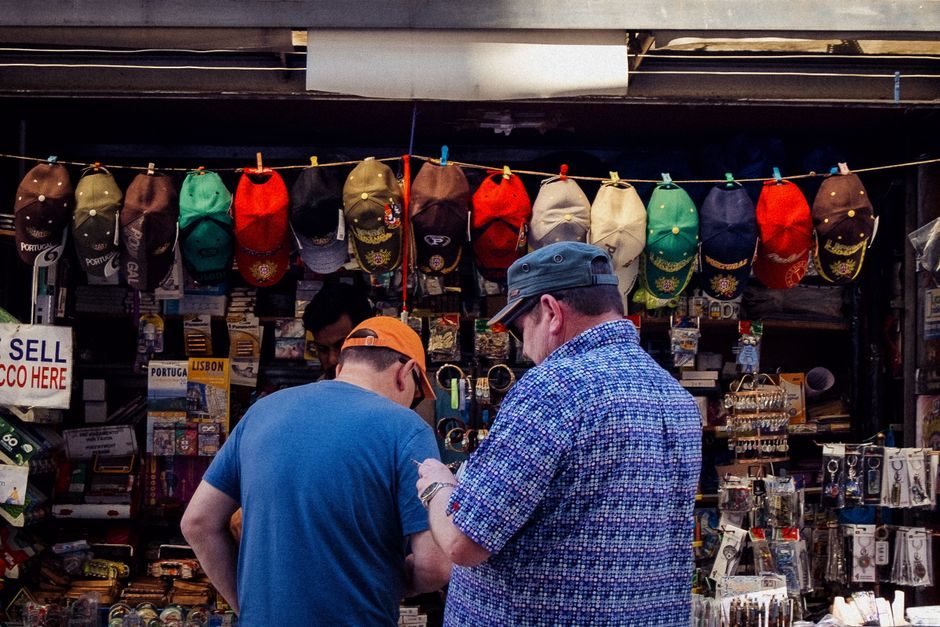
A tourist sees the gap between a $3 souvenir and a $6 souvenir as trivial. Shopping in Japan is where the $5,375 starts to make sense, but the country also holds one of the better-value big-ticket items on any itinerary: a ryokan night.
The Receipts
A five-month round-the-world trip came in at $8,000 over its $25,000 base budget, and $5,375 of that overspend was shopping. The original plan had set aside $3,000 for it. A separate $2,639 went to what the traveller called a trip disaster, which is its own lesson about contingency funds, but the shopping number is the one worth sitting with. It was roughly twice the allowance, on a trip where the bags were already full.
The same traveller noted that Japan came first on the route, which limited the damage: with four more months of backpack ahead, there was a physical ceiling on what could be bought. Put Japan at the end of a trip instead and that ceiling disappears.
The Three-Dollar Problem
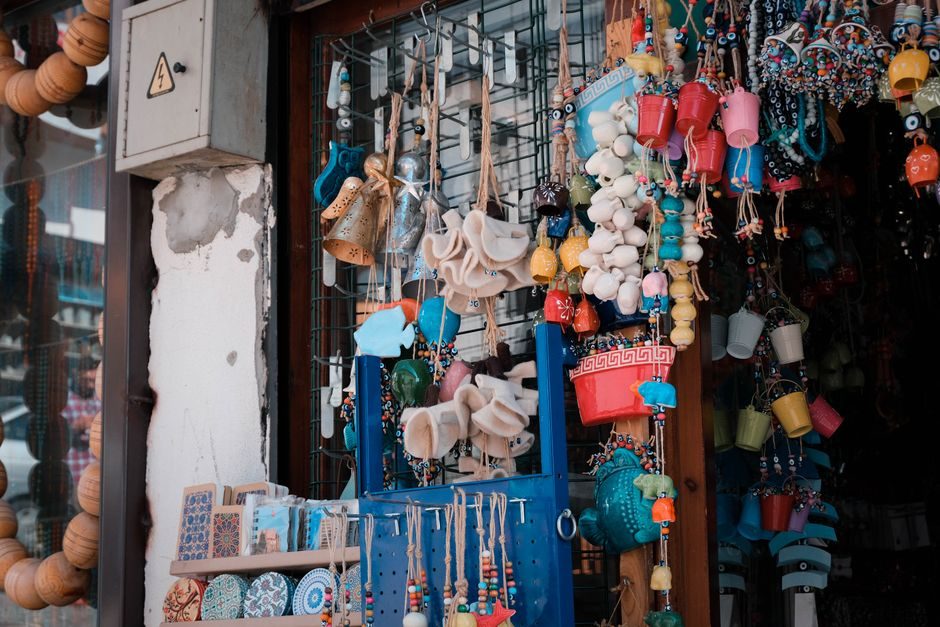
In Vietnam, hosts confirmed that bargaining is a necessary part of the deal. A tourist sees the gap between a $3 souvenir and a $6 souvenir as trivial. For the shopkeeper it is not. The traveller who wrote this admitted it was hard to get used to, and that admission is the useful part: the discomfort is normal, and the local guidance was to negotiate anyway. A dollar or two either way is not the point. The point is that the quoted price is not the price.
Japan, Priced Properly
Shopping in Japan is where the $5,375 starts to make sense, but the country also holds one of the better-value big-ticket items on any itinerary: a ryokan night. A ¥10,000 room in a small onsen town in the Alps converts to about $68, and that covers two meals and hot spring access. Even on a tight budget, one night is the line most people land on. Compare that with a museum ticket, a theme park, or a nice dinner, and the ryokan is doing more work per dollar than almost anything else in the country.
The same arithmetic applies to entry paperwork. Most nationalities pay $50 for a single-entry visa. If a side trip is on the table, the marginal cost of a second entry is worth checking before committing to one entry, because the fee structure is not always obvious until you are filling in the form.
What Things Actually Cost
Western Europe runs $25 to $60 per night for a bed, which is the number to hold in your head when a city starts feeling expensive. Yerevan is at the other end: the bus and minibus fare is 150 Armenian dram, about $0.40, and trolley-buses charge the same $0.40. Getting across the city for under half a dollar changes how far you are willing to go for a cheaper meal.
Morocco for seven days lands at roughly $400 to $600, and a luxury version of the same week goes above $1,000. A two-and-a-half-month trip through Asia came in at €7,728.68 for two people, which converts to about $8,347, or roughly $4,174 per person for the whole stretch. Flights home are their own line item: one traveller paid $600 per person to fly into the East Coast of the US, more than a return to a closer airport would have cost.
The Invisible Line Items
Insurance is the one purchase where comparing quotes pays for itself. For identical coverage on the same $5,000 trip, the cheapest company charges $167 and the most expensive charges $594. That is $427 for the same protection. The rates vary by company for the same trip, which means the first quote is not a price, it is an opening offer.
Then there is the money you do not spend but do not keep either. A bank account paying $600 in gift cards or travel rewards after $4,000 of spending in the first three months is worth $600 against a trip budget, and it is the kind of thing that gets counted as free when it is really a discount. One traveller spent 1 lakh in ten days across food, drinks and shopping, which is about $1,200, and the breakdown matters more than the total: food and drink are fixed costs, shopping is not.
The Tracking Habit
The single most repeated piece of advice from people who have done this is to track spending. The budget will not grow, but the list of places to visit and things to experience will, and the only way to keep the two in balance is to know where the money went. The $3,000 shopping allowance that turned into $5,375 is what happens without it. The $167 insurance quote versus the $594 one is what happens with it.
A few other numbers worth keeping: a trip to Australia and New Zealand runs €1,000 to €2,000 per person, which converts to roughly $1,080 to $2,160. A return flight to the East Coast of the US cost $600 per person. And the ryokan night, at about $68 with two meals and a hot spring, remains the best-value splurge on the list.
Leave a Reply