The TelefériQo cable car above Quito is $8.50. Cotopaxi National Park entry is $10 for foreign adults. Galápagos National Park entry is $200, plus $20 for the transit control card, plus the flight from mainland Ecuador at $400 to $550 round trip.
Ecuador: What Travelers Report
A dorm bed in Baños costs $8. A dorm bed in Quilotoa costs $12. The same country, the same bunk, the same thin blanket. The difference is the road getting there and who else is willing to take it.
Ecuador is small enough that the distances on a map look like a weekend. They are not. The country runs about 700 km top to bottom and about 250 km at its widest, but the Andes fold the interior into a series of ridges and valleys that turn a straight-line 150 km into a six-hour bus ride. Travelers who plan by distance rather than by terrain end up on night buses they didn’t want. Travelers who plan by terrain end up paying less and sleeping better.
What Things Actually Cost
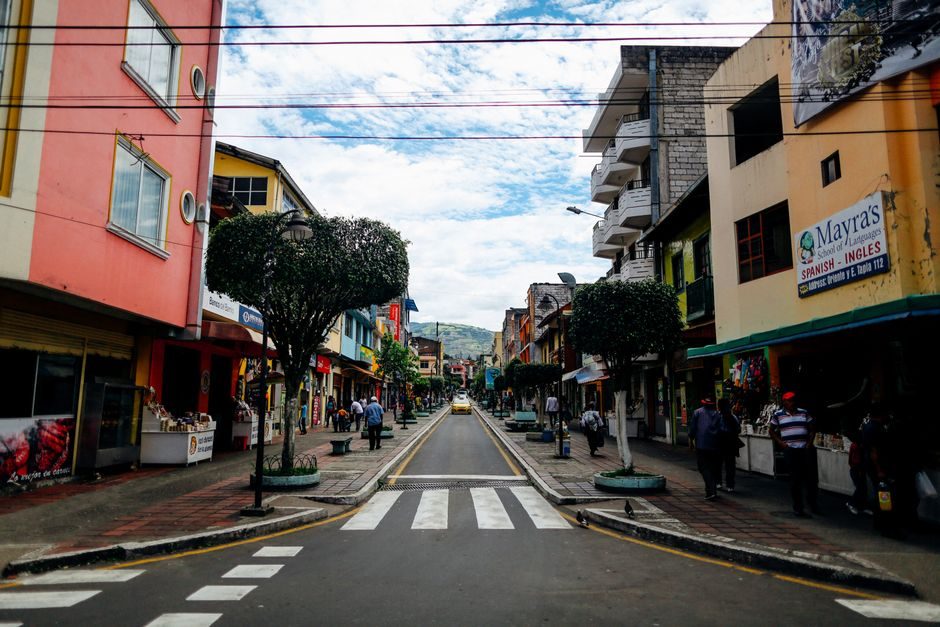
Hostel dorms run $8 to $15 a night outside the big cities. In Quito and Cuenca the low end is closer to $12; in Baños, Latacunga and Vilcabamba you can still find $8. Private rooms with a shared bathroom start around $20 and climb to $45 in Cuenca’s historic center.
A set lunch — *almuerzo* — is $2.50 to $4. It includes soup, a plate of rice with meat or chicken, and a small dessert or juice. Travelers who eat almuerzos twice a day and cook nothing spend about $8 a day on food. Travelers who eat in tourist restaurants in Quito’s La Mariscal spend $12 to $18 for a single dinner.
A 12-hour bus from Quito to Cuenca costs $10 to $14. The same route by domestic flight takes 55 minutes and costs $45 to $90 depending on how far ahead it’s booked. A taxi from Quito’s airport to the historic center is $25 to $30; the airport bus is $2.
Museums in Quito are mostly $3 to $5. The Basílica del Voto Nacional costs $2 to climb the towers. The TelefériQo cable car above Quito is $8.50. Cotopaxi National Park entry is $10 for foreign adults. Galápagos National Park entry is $200, plus $20 for the transit control card, plus the flight from mainland Ecuador at $400 to $550 round trip.
The Quilotoa Loop
The Quilotoa Loop is the walk travelers talk about most, and the numbers explain why. The full circuit between Latacunga, Quilotoa, Chugchilán and Sigchos is usually done in three to four days, with stages of 10 to 16 km. Guesthouses along the route charge $12 to $18 a night and include dinner and breakfast in that price. Lunch is extra, usually $4 to $6.
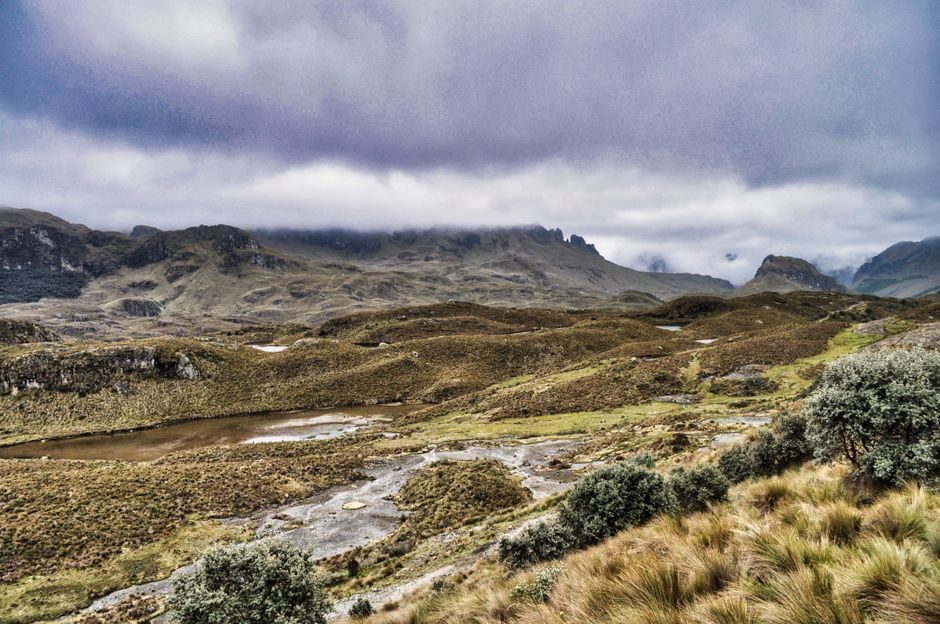
The crater lake at Quilotoa sits at 3,800 m. The descent to the water takes 30 to 45 minutes; the climb back up takes 1.5 to 2 hours. Mules at the rim will carry you back up for $10. Travelers who skip the climb and hire the mule report the same view.
Altitude is the thing that catches people. Most hikers arrive from Quito, which is already at 2,850 m, so the jump to 3,800 m is not as severe as it looks on paper. But the descent into the crater and the climb out still cost people a full afternoon. Two liters of water minimum.
Crossing Into the Amazon and the Coast
From Baños, the road drops toward Puyo and the edge of the Amazon basin. A bus from Baños to Puyo is $4 and takes 2.5 hours. From Puyo, transport into the jungle lodges is usually arranged in advance and costs $60 to $120 per person for the transfer, often included in a package. A three-day, two-night Amazon lodge stay runs $180 to $350 per person, all meals and guided walks included.
On the coast, Montañita is the surf town most travelers end up in. Dorm beds are $10 to $14. Surfboard rental is $10 for half a day, $15 for a full day. A one-hour surf lesson is $20 to $25. Canoa, further north, is quieter and cheaper: dorms at $8, meals at $3 to $5.
Puerto López is the departure point for Isla de la Plata, often called the poor man’s Galápagos. A day trip runs $45 to $60 and includes transport, a guide, snorkeling gear and lunch. Humpback whales pass between June and September. Travelers who go in that window report seeing them from the boat without paying extra.
Buses, Roads and Getting Around
Ecuador’s bus network covers essentially everywhere for very little. Fares are set by distance and rarely exceed $15 for a long haul. The Quito terminal (Quitumbe, in the south) handles most southern routes; the Carcelén terminal in the north handles routes toward the coast and the northern border.
Buses leave when full, not on a schedule, on many rural routes. A posted departure time is a suggestion. Travelers who need to catch a flight should build in at least three hours of slack on any rural route. Landslides close the Baños–Puyo road during heavy rain, sometimes for a day or more.
Night buses exist and are cheaper, but theft on overnight routes is the single most common report. Daytime buses on the same routes have far fewer incidents. The difference in fare is usually $2 to $4.
Money, Water, Altitude
Ecuador uses the US dollar. There is no currency conversion to think about, and no leftover coins to spend down at the airport. ATMs in Quito, Cuenca and Guayaquil dispense $20s and $10s; ATMs in smaller towns are less reliable and often limit withdrawals to $100 or $200. Bring small bills. Many small vendors cannot break a $20.
Tap water is not safe to drink in most of the country. A 3-liter bottle of water costs $1 to $1.50. Refilling at hostels with filtered water is common and free in many places.
Altitude affects people differently, but the numbers matter. Quito is 2,850 m. Latacunga is 2,800 m. Quilotoa’s rim is 3,800 m. Cuenca is 2,560 m. Travelers who fly directly into Quito from sea level and hike on day two report headaches, poor sleep and nausea. A day of doing very little in Quito before heading higher costs nothing and prevents a lot.
What Adds Up
A backpacker moving by bus, sleeping in dorms, eating almuerzos and doing one paid activity every two or three days spends $25 to $35 a day in the highlands. The coast runs $30 to $45 with surf rentals and boat trips. The Amazon and Galápagos are separate budgets entirely. A two-week trip covering Quito, the Quilotoa Loop, Baños, and either the coast or a short Amazon stay lands between $400 and $700 on the ground, excluding international flights.
The Galápagos is not a backpacker destination in the usual sense. Park entry alone is $200, the flight is $400 to $550, and a budget guesthouse on Santa Cruz is $25 to $40 a night. A five-day independent trip with two day tours runs $900 to $1,300 per person before flights from the mainland. Travelers who go often say the money was worth it. Travelers who skip it and spend the same two weeks on the mainland report spending a third as much and seeing more of the country.
The country rewards people who slow down. A $12 dorm in Quilotoa and a $2.50 lunch in Latacunga are not compromises. They are the trip.
Leave a Reply