Some links on this page are affiliate links. If you book or buy through them, we may earn a small commission at no extra cost to you. It never changes what we recommend — every price here is one we would pay ourselves.
The same trip can also look like this: $166.90 for economy, then $99.50 to upgrade to business class, purely so you do not have to check your camera gear. The gap between those two numbers, $178 versus $266.40, is not about comfort.
The Real Cost of Getting There
A business class seat to Tokyo for $178. That is a mistake fare, and it happens. The same trip can also look like this: $166.90 for economy, then $99.50 to upgrade to business class, purely so you do not have to check your camera gear. Total for that upgrade route: $266.40. The gap between those two numbers, $178 versus $266.40, is not about comfort. It is about timing and luck, and neither one is a strategy you can repeat on demand.
What is repeatable is knowing your daily number. One traveller keeps $50 a day in mind. Not a hard ceiling. A reference point. The figure does the work of regulating spending across a month, because you notice when a day runs long and you adjust the next one. The tracking itself is simple. Recording every cent in a phone app makes the totals accurate, which makes the $50 useful instead of decorative.
The mechanics of a mistake fare are worth understanding even if the outcome is not repeatable. These tickets surface when an airline loads a fare file with a decimal in the wrong place, or when a currency conversion misfires overnight, and they usually last somewhere between a few hours and a single afternoon before revenue management catches it. The people who get them are not searching harder than anyone else. They have set fare alerts on a handful of routes months in advance, they keep a card with no foreign transaction fee saved in the browser, and they book first and ask questions later. What typically goes wrong is the airline cancels the ticket weeks later and refunds the fare, which leaves a traveller holding a hotel booking in a city they no longer have a reason to visit. The upgrade route, by contrast, is boring and reliable: buy the cheapest economy seat that allows a paid upgrade, then pay the difference at check-in or through the airline app once the seat map opens. It costs more and it always works.
For the marquee attractions, buying in advance is the standard advice for a reason.
Watching the daily number is the part that survives contact with reality. A day that runs to $80 because of a long train ride and a museum ticket is not a failure; it is a signal that the next two days should sit closer to $35. Over a month the average is what matters, and the average is what the $50 is protecting. The travellers who get into trouble are the ones who track nothing for two weeks and then discover the damage in a single bank statement at the end. Logging each purchase takes seconds and removes the guesswork entirely.
Trains, Permits, and the Cost of Moving
In India, the Tatkal quota is its own skill. Travellers who use it often set an alarm for 10 AM for AC classes or 11 AM for non-AC, one day before travel. Miss the window and the fare structure changes entirely. This is not a hack. It is just the system, and knowing the clock is the whole game.
The practical detail is that the booking window opens at exactly those times on the Indian Railways site, and the site slows to a crawl under the load within seconds of the hour. Anyone who has done it more than once has the login already saved, the passenger details pre-filled, and a backup browser open on a second device. Payment has to clear within a short window or the seat is released back into the pool, and released seats are gone before most people can reload the page. The fallback is the general quota, which sells out earlier and costs a different amount, or a sleeper bus, which trades a night of sleep for a guaranteed seat. Locals treat the whole thing as a race with a fixed starting gun, and they plan the rest of their day around being at a screen at the right minute.
Sri Lanka has a first class observation car for roughly $30. Air-conditioned, panoramic windows, unobstructed views. Booking ahead is recommended, which is the polite way of saying the seats go.
The observation car sits at the rear of the train, which means the view is the track falling away behind rather than the landscape approaching ahead, and the seats are reserved rather than general. The reservation desk at the station is the reliable place to buy, and it can close earlier than the station itself, so arriving in the afternoon for a next-morning departure is a gamble. Second class costs less, has open windows instead of glass, and is where most of the actual conversation happens. The stretch most people are chasing runs through hill country, and the train is slow enough that standing in the doorway between carriages, one hand on the frame, is the part that ends up in the photos. Nobody enforces much, but the reserved car is quiet and the unreserved cars are not.
If the Everest Base Camp route starts from Jiri, there is a separate conservation area fee. The Gauraishankar Conservation Area permit is Rs. 3,000 including VAT per person, which comes to about $18. Budget it before you start walking, not after.
The permit is checked at a checkpoint on the trail, and the checkpoint is not somewhere a walker can turn around and fix the problem without losing a day. The office that issues it keeps limited hours and is not open every day of the week, so the standard move is to sort it out in Kathmandu before the bus to Jiri rather than hoping to handle it on arrival. Carry the paper copy; a photo on a phone has been accepted in some seasons and refused in others, and arguing with a ranger at altitude is a poor use of a morning.
What Activities Actually Add Up To
Sri Lanka is a good case study because the activities are itemised and they accumulate. Safaris, entrance tickets to cultural sights, surfing classes, tea tastings, board rentals. For one traveller, all of it came to $160. That is the number to plan around, not the per-item price.
The reason the per-item price misleads is that each one looks trivial in isolation. A safari jeep seat, a temple entry, a board for two hours, a cup of tea at the estate where it was grown. Individually none of them threatens a budget. Together they clear $160 before a single meal is counted, and the fix is not to skip them but to decide in advance which two or three are worth the money and let the rest go. The tea tasting is usually the cheapest and the most interesting, because the estate workers will explain the grading process whether or not anyone asked. The safari is the one where the price varies most depending on whether the seat is shared or private, and a shared jeep is not meaningfully worse.
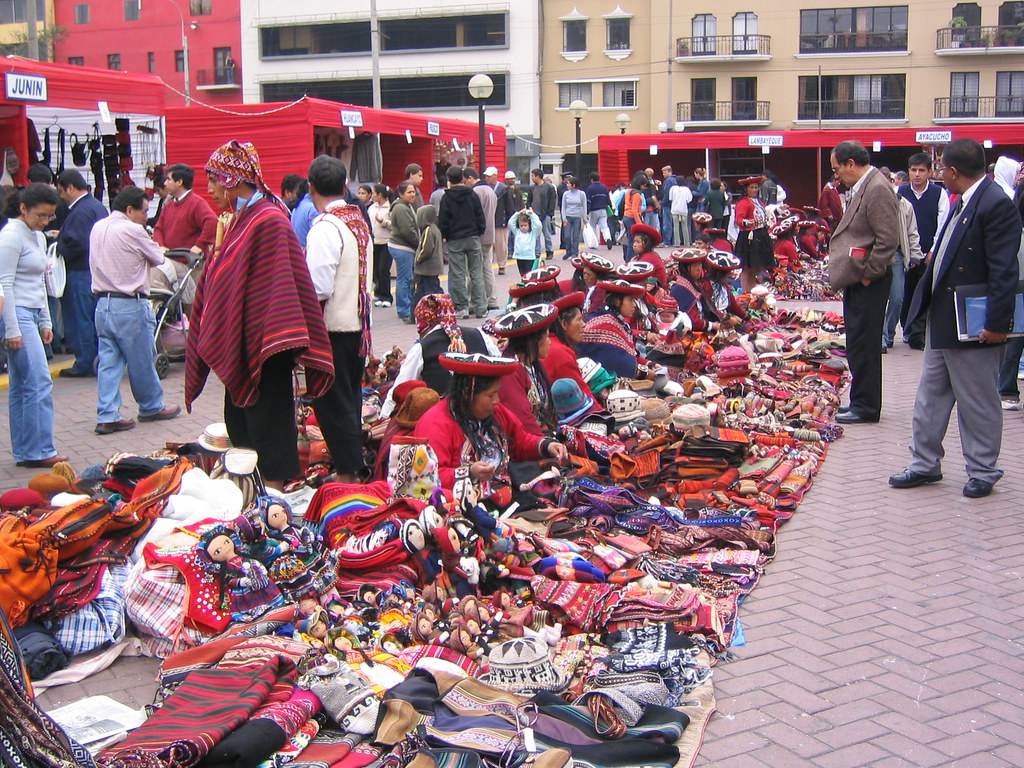
Bolivia runs the other direction. Fine dining, multi-course, $12 for lunch and $22 for dinner. Exquisite meals for less than a mid-range entree in most US cities. Two meals, $34 total. That is a full day of food in some places.
The set lunch, or almuerzo, is the institution that makes this work. It arrives as a fixed menu, usually a soup, a main with rice, and a small dessert, and it is served fast because everyone eating it is on a work break. The menu del día at dinner is similar but slightly larger and slightly later, starting around seven and running until the kitchen decides to stop. The $22 dinner is the top of the range, the kind of place with tablecloths and a wine list; most evenings cost considerably less than that and taste almost as good.
Vietnam gets described in two weeks, and the report is specific: Hoi An was the favourite, a cooking class, and a first-ever motorbike ride. That is the shape of a good stop. Not a checklist. A couple of things you did not plan to be good at.
The cooking class in Hoi An typically starts with a market walk in the morning, when the vendors are still setting up and the fish is still moving, and finishes with eating whatever was made. The motorbike ride is the part that surprises people, because the traffic looks impossible from the pavement and then turns out to have its own logic once you are inside it. Neither is expensive. Both take most of a day. The town itself is small enough to walk, which is why the days that go well there are the ones with two or three fixed points and a lot of empty space between them.
Renting and Making
A Royal Enfield Classic 350 in Asia rents for $35 a day, with a $200 deposit. Five days is $175 plus the deposit back. That deposit is the part people forget. If $200 is not sitting free, the rental is not $35 a day, it is a cash flow problem.
The deposit is usually taken as a hold on a card or as cash in hand, and it comes back when the bike does, minus anything the shop decides was damage. Photograph the bike from every angle before riding off, including the underside of the engine and the rims, because scratches that existed before the rental have a way of becoming the renter’s responsibility afterward. The deposit also has to be available at the moment of rental, not spread across three cards or promised for later. Beyond the deposit there is fuel, which on a 350 is a real line item over five days, and the occasional parking fee. Helmets are normally included and normally old. The bikes are heavy, the gearbox is on the wrong side for anyone used to Japanese machines, and the first hour is the one where people drop them.
Japan has a ring-making class that runs from ¥4,180 to ¥55,000 per ring. In dollars that is $28 to $366, depending on the ring. Wide range, same class. The material and the design decide the price, not the instruction.
The class itself takes a couple of hours. Participants start with a strip or a blank of metal, hammer it around a mandrel, solder the join, file the edges, and polish the result. The base price covers the cheapest silver, and the price climbs with the width of the band and the choice of metal, which is why two people sitting at the same bench pay wildly different amounts for what looks like the same afternoon. The finished ring is ready to wear the same day. Reservations are usually needed, the workshops are small, and the instruction is in Japanese with enough gesture to follow along.
The Booking Question
Booking everything before you go kills the spontaneity. That is the argument, and it is a strong one. The freedom to stay an extra day somewhere you love, or leave a town that is not working, is the actual product you are buying when you leave the itinerary open.
The cost of that freedom is that the good beds fill first, and the walk-in traveller at nine at night is negotiating from a weak position. The middle path most experienced travellers settle on is to book the first two nights in any new city and nothing after that, which removes the arrival-night panic without locking in the rest of the week. Anything with a fixed departure time, a train, a flight, a permit with office hours, gets booked. Everything else stays open. The daily number does the rest of the work.
The counterweight is the observation car at $30 that recommends advance booking, and the Tatkal alarm that has to fire at 10 AM. Some things reward planning. Some things punish it. The $50 daily number does not care either way. It just keeps the month honest.
Leave a Reply