Some links on this page are affiliate links. If you book or buy through them, we may earn a small commission at no extra cost to you. It never changes what we recommend — every price here is one we would pay ourselves.
A month focused on Eastern Europe runs $450 to $900 for hostels and private budget rooms, $600 to $900 for food, $300 to $600 for transport, and $200 to $500 for attractions. Travellers who wanted something nicer paid 40 to 60 euros, or $43 to $65, and treated the cheap nights as the thing that made the expensive ones possible.
Two thousand two hundred sixty-six dollars. That is what one traveller spent on accommodation across a long trip that included tents in South America and parts of New Zealand, with hostels everywhere else. Kosovo does not have to cost that. A month in the Balkans, done the cheap way, can land far below the numbers people quote for Western Europe.
The comparison that matters is regional. A month focused on Eastern Europe runs $450 to $900 for hostels and private budget rooms, $600 to $900 for food, $300 to $600 for transport, and $200 to $500 for attractions. That totals $1,550 to $2,900 before long-haul flights. Kosovo sits inside that band, and usually at the bottom of it. The country uses the euro, which removes a layer of exchange maths, but it does not carry Western European prices.
For anything with a posted entry time, reserving first is the low-effort win.
What that band hides is how unevenly the costs fall. Beds and buses are where Kosovo undercuts its neighbours; food is where the gap narrows, because imported groceries and anything aimed at tourists carry much the same markup as they do in North Macedonia or Albania. The savings come from the structure of the trip rather than from any single cheap item. Nights are short and distances are short, so the fixed costs that wreck a longer European itinerary — rail passes, city transport cards, museum bundles — barely apply here.
What a Bed Costs
Budget hotels in this part of Europe have gone for as little as 18 to 20 euros a night. That is $19 to $22. Travellers who wanted something nicer paid 40 to 60 euros, or $43 to $65, and treated the cheap nights as the thing that made the expensive ones possible. That trade is the whole game. Two nights at $19 buys you one at $55 without changing the total.
Hostels and private rooms in the region fall inside the $450 to $900 monthly range. In Kosovo that range stretches further than it would in Croatia or Slovenia. A dorm bed in Prizren or Pristina sits near the bottom. A private room in a guesthouse can still come in under what a hostel dorm costs in a capital further west.
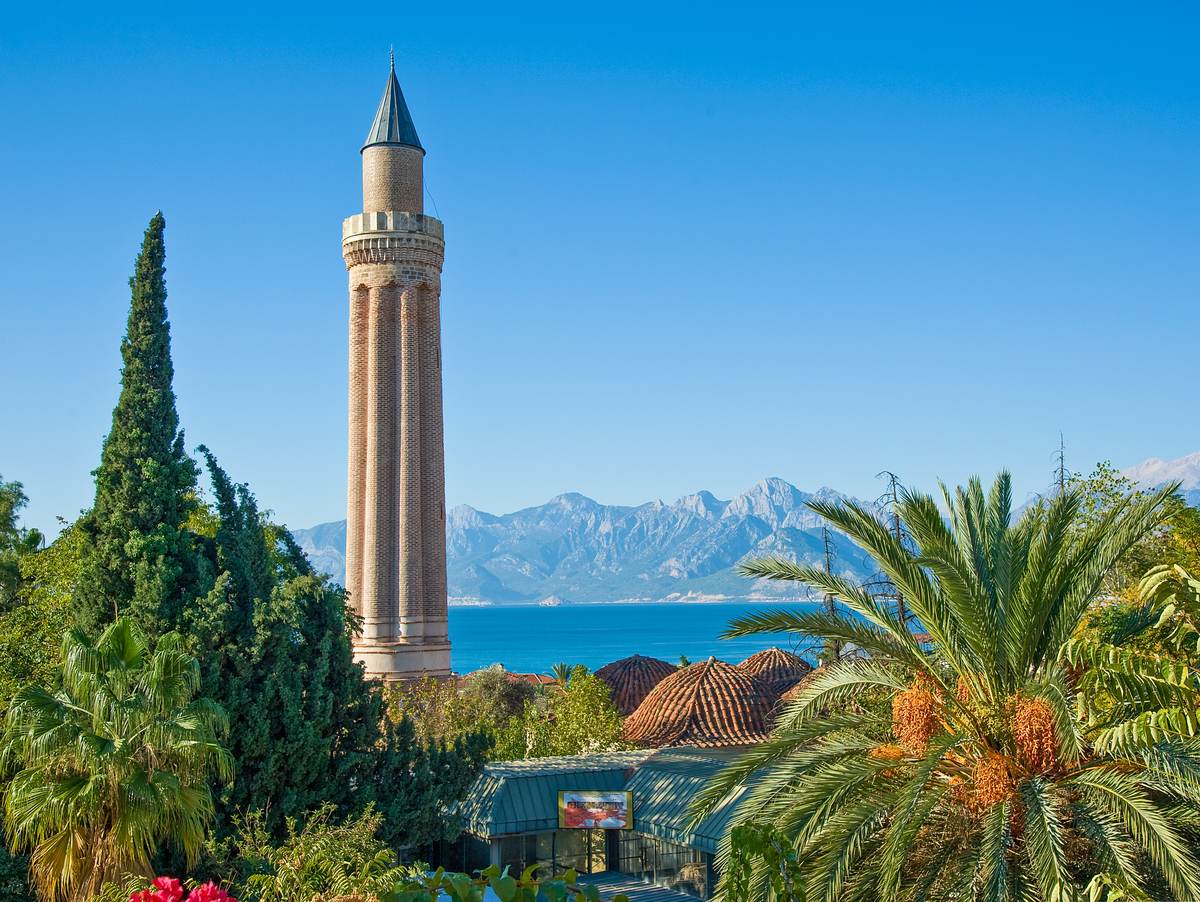
The practical detail is that supply is thin. Pristina has a handful of hostels clustered around the centre, and Prizren’s guesthouses are concentrated in the old town within earshot of the call to prayer. In summer, when diaspora Kosovars return en masse and every wedding party needs rooms, the cheap beds go first — often weeks ahead. Arriving without a booking in July or August and expecting the walk-in rate is how a $19 night becomes a $60 one. Outside those months the opposite happens: a guesthouse owner will sometimes knock the price down for a stay of several nights, particularly if paid in cash. Ask. The worst answer is the printed rate.
Eating for Less
Food, assuming you are moving and not cooking, averages about 15 euros a day at minimum. That is $16. Over two months it comes to roughly 900 euros, or about $972. That figure assumes restaurants and bakeries rather than a kitchen, which is the realistic case when you are changing towns every few days.
Kosovo makes that $16 go further than the number suggests. The daily average from one long trip came to 4.21 euros per person, about $4.55, across everything logged. That is not a Kosovo figure, and it is not a figure most people will hit. It does show what is possible when accommodation is shared and meals are simple.
Burek is the reason the food line stays low. A flaky pastry coil stuffed with meat or cheese, sold by weight from bakery counters, costs a fraction of a sit-down meal and is eaten standing up, usually with yoghurt drunk from a carton. Locals buy it mid-morning; by early afternoon the trays are often empty and the shutters are down. The sit-down version of the same budget is a qebaptore, where grilled minced-meat rolls with flatbread, onion and a pepper paste come out fast and cheap. Menus in the old towns are in Albanian, Serbian and English, and the English column is usually the most expensive one by a margin. Portions are large enough that two people ordering one main and a salad is normal, not stingy.
Getting Around and Getting In
Transport for a month in this region runs $300 to $600. Buses between Kosovo’s towns are short and cheap, and the distances are small. Pristina to Prizren is a couple of hours. Prizren to Peja is less. The $300 end of that range is reachable if you are not crossing borders constantly.
Buses leave when they are full as often as they leave on the timetable, so a printed departure time is a rough intention rather than a promise. Tickets are bought from the driver or from a small window at the station, in cash, and the driver may not have change for a large note. Luggage goes underneath for a small extra charge that nobody announces in advance. The station in Pristina sits a couple of kilometres out of the centre, which is a walk with a pack or a short taxi ride.
Insurance is the line item people forget. A Schengen Mini policy covers up to 30,000 euros in medical costs, which is $32,400. A Schengen Total policy covers up to 100,000 euros, or $108,000, with repatriation included on both. Kosovo is not in the Schengen area, so check what a policy actually covers before assuming it applies. The numbers above are for the Schengen space specifically.
If your route touches the EU by land, customs allowances matter. Goods up to 300 euros, or $324, are duty-free per person aged 15 and over arriving by land. By air or sea the limit is 430 euros, or $464. Under 15, it is 175 euros, or $189. These are not Kosovo rules, but they apply the moment you cross into a neighbouring EU country, and a bus from Pristina to Skopje or Sofia crosses that line.
The Fund
The people who do this trip without scrambling set aside money on a schedule. A dedicated savings account with an automatic transfer each payday, treated like a bill rather than a choice, means the budget exists before the booking does. It is boring. It works.
Run the Kosovo numbers against the regional ones. Accommodation at the low end of $450 for a month. Food near $600 if you eat where locals eat. Transport under $300 if you stay within the country. Attractions well under $200, because the good ones here are monasteries, mountains and old towns, and several cost nothing. That is a month for under $1,550, excluding the flight in. The tents-and-hostels traveller spent more than that on beds alone. Kosovo does not require it.
Leave a Reply