
Some links on this page are affiliate links. If you book or buy through them, we may earn a small commission at no extra cost to you. It never changes what we recommend — every price here is one we would pay ourselves.
If Honduras is the plan, $3,000 buys a very long stay at these numbers, and the monthly savings goal drops accordingly.
The bus from the city center to the Old town costs $0.10. That is not a typo. The metro covers the center, the Old town and the suburbs at a flat rate of 0.20 AZN, which comes out to ten cents in US money, and the distance does not change the price. Ten cents. You can ride across an entire city for less than the cost of a piece of fruit, and this single fact tells you more about what a Honduras trip does to a travel budget than any spreadsheet. The fare is paid with a rechargeable card bought at the station window, and the card itself carries a small deposit that comes back when it is returned, so the ten cents is effectively the whole cost of the ride. Trains run frequently through the day and thin out sharply after the evening commute, which is worth knowing if the plan involves getting back from the far side of town. The cars themselves are old, clean enough, and packed at rush hour in a way that makes standing the default. Nobody checks tickets on board; inspectors work the gates instead, and the fine for riding without a valid tap is many times the fare.
If you only have a few days, buying tickets ahead protects the time you have.
What Things Cost
Accommodation is where the daily number gets set. A realistic figure for a solo traveler running hostel dorms and the occasional private room with A/C is about $12 per night. That is not a rock-bottom figure and it is not a splurge. It reflects a mix: normal hostels most nights, plus the nicer deluxe rooms when air conditioning matters more than saving three dollars. Twelve dollars a night means roughly $360 a month if you never move, which nobody does. Dorms at that price usually mean a bunk in a room of four to eight, a shared bathroom down the hall, and a fan that may or may not be pointed at the bed. The private rooms with working A/C tend to sit at the top of the hostel’s own price list, and the difference between a fan room and a cooled one is often the difference between sleeping and lying awake listening to the street. Booking ahead matters in the towns that fill up on weekends, because the cheap beds go first and the walk-in rate at whatever is left can be double. Hostels in the smaller stops frequently run on cash only, and the nearest working ATM may be a bus ride away, so it pays to arrive with local currency rather than the assumption that a card will do.
Food swings wider. Expect to pay somewhere between $10 and $30 per meal depending on where you sit down and what you order. That range is wide enough that your choices matter more than your destination. A month of eating at the low end, three meals a day, runs about $900. At the high end it runs $2,700. The same country, the same month, a $1,800 gap that comes down to whether you eat where locals eat. The low end is the comedor down the side street with plastic chairs, a handwritten board of three or four dishes, and a line of people who work nearby. The high end is the place with a printed menu in two languages and a view. Breakfast is usually the easiest meal to keep cheap, since fruit, eggs and coffee are everywhere and rarely cost much; dinner is where the number climbs, especially in the towns built around visitors. Portions at the cheap places tend to be large, and a set lunch often includes a soup or a small salad that never appears on the menu as a separate line.
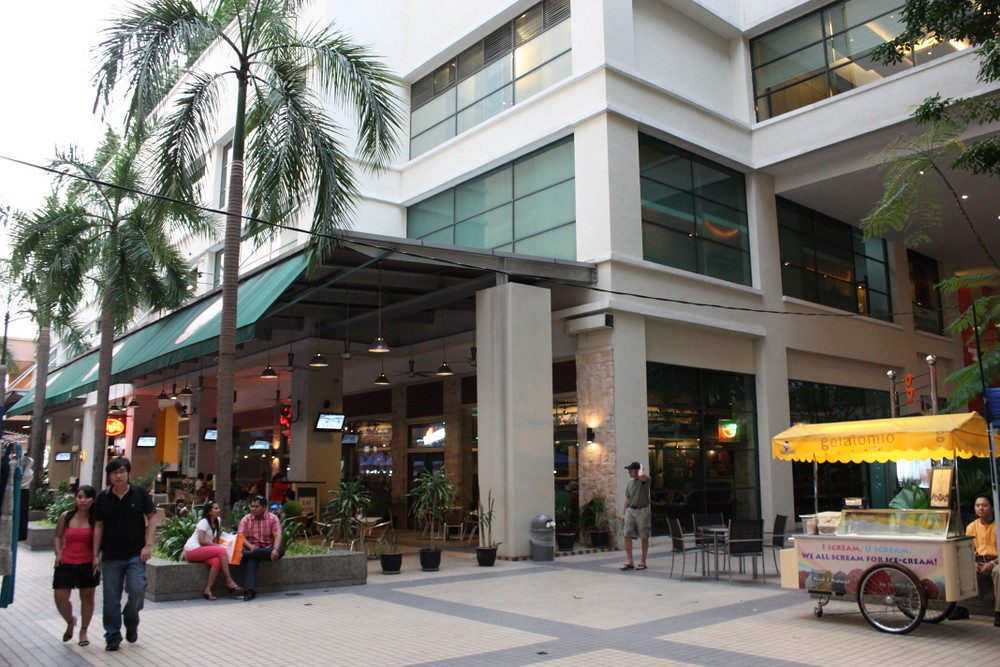
Put accommodation and food together at the cheap end and you land near $1,260 a month. Add the ten-cent metro and the occasional long-distance bus and you are still under what a single week costs in large parts of Europe.
The Regional Comparison
It helps to see Honduras against the places backpackers usually price first. Twelve days in Thailand, on a second visit, came in at $2,498, or $208 per day. Nine months backpacking around South America is its own kind of budget, and the daily numbers there rarely drop as low as what Honduras allows. Southeast Asia gets asked about constantly, and a six-month trip through it is the standard benchmark people hold in their heads. Honduras sits below that benchmark on accommodation and transport, and roughly level on food if you eat the way you eat at home. The reason the daily figure stays low is not that everything is cheap everywhere, but that the cheap options are genuinely usable rather than a last resort. The buses run, the markets sell real food, and the budget tier is where ordinary people actually live rather than a tourist invention. That is the difference between a country that is inexpensive and a country that is inexpensive to visit.
The arithmetic is simple. At $208 a day, Thailand for twelve days costs more than two months in Honduras at $12 a night and $10 a meal. Same traveler. Different hemisphere.
Saving For The Trip
The math works in reverse too. If you are budgeting $3,000 for a trip and it is nine months away, you need to set aside about $333 a month to get there. That is the whole method. There is nothing clever about it and no tool required. Nine months, $333, done. If Honduras is the plan, $3,000 buys a very long stay at these numbers, and the monthly savings goal drops accordingly. The part people get wrong is treating the goal as a single lump to be found somewhere near the departure date. Setting the money aside at the start of each month, before it has a chance to become rent or groceries, is the only version of this that survives contact with real life. A separate account helps, and so does booking the flight early, since the ticket is usually the one cost that only moves in one direction as the date approaches.
What The Numbers Do Not Cover
Flights in and out are the wild card and the single largest line item for most people. Ferries matter if your route includes islands, and there are four different types depending on distance, comfort level and whether you are bringing a vehicle. Low-cost airlines also fly between the major islands if you would rather not spend the day on the water. None of that is free and none of it is in the $12-a-night figure. The ferry terminal is the kind of place where the schedule on the wall and the schedule in practice are related but not identical, and the last crossing of the day tends to leave when it is full rather than when the board says. Tickets are bought at the window, often for cash, and the fast boats cost noticeably more than the slow ones for a crossing that saves an hour or two. Turning up without a reservation in high season is a gamble that sometimes ends with a night in a port town.
Activities are the other leak. One traveler in Vietnam went nearly $50 over budget on activities and called it the best money spent on the trip, worth every penny and impossible to imagine the trip without. That is the honest version of a budget breakdown. The fixed costs are predictable. The things you remember are not, and pretending otherwise makes for a tidy article and a worse trip. Diving, a guided trek, a boat out to a reef, a day of rentals — these are the lines that never make it into the monthly average until after the fact. The useful habit is to build a small margin into the daily number and treat it as money already spent, so the choice to do something memorable does not require renegotiating the whole plan. What typically goes wrong is the opposite: a budget so tight that every worthwhile detour feels like a failure, and the trip ends up cheaper and smaller than it needed to be.
So: ten cents for the metro, $12 for a bed, $10 to $30 for a meal, and $333 a month if you want $3,000 waiting when you land. Everything else is a choice you make once you are there.
Leave a Reply