Some links on this page are affiliate links. If you book or buy through them, we may earn a small commission at no extra cost to you. It never changes what we recommend — every price here is one we would pay ourselves.
A lot of travel couples seem to land right around $2,000 a month, or at least within the $1,500 to $2,500 range. One policy aimed at digital nomads, volunteers and sabbatical travelers offers medical assistance up to $324,000 with a single price regardless of trip duration.
The Roaming Bill Nobody Budgets For
Two weeks in Europe. Two people. Two phones.
At $10 to $15 per device per day, standard roaming for that trip adds $280 to $420. That is before a single museum ticket. Most US travelers do not account for connectivity when they calculate the cost of a European vacation, and then the bill arrives and reframes the entire trip. The phones worked the whole time. That was the problem.
What makes the roaming line so easy to miss is that nothing about the trip announces it. The phone behaves exactly as it does at home, which is the entire point of roaming, and there is no moment where a traveler is asked to approve a charge or shown a running total. The switch happens silently the moment the plane lands and the handset reconnects to a foreign network, and from there every maps lookup, every restaurant search, every photo backed up to the cloud counts. Travelers who assume they will simply find wifi describe the same sequence: the first hotel password works, the second cafe’s network refuses to load anything, and by day three the phone is back on cellular without anyone deciding that. By the time the carrier sends its summary, the trip is over and the charge is already settled. The people who avoid it are not more disciplined about their phones. They dealt with it before departure, usually by buying a local SIM or an eSIM at the airport, and they treat the few dollars that costs as part of the airfare rather than an optional extra. The ones who did not deal with it describe opening the bill at home and doing the multiplication for the first time.
For the taxi and the map on day one, an eSIM is what makes it work.
What Digital Nomads Actually Spend
In 2018, one couple’s first full year as digital nomads cost $41,000. They described that year’s lifestyle as considerably more lavish than what came after. A lot of travel couples seem to land right around $2,000 a month, or at least within the $1,500 to $2,500 range. That number shows up again and again.
The gear question comes up constantly. One reader asked whether people carry a separate day pack for a computer and digital equipment, separate from the main bag. Nobody in the thread had a clean answer.
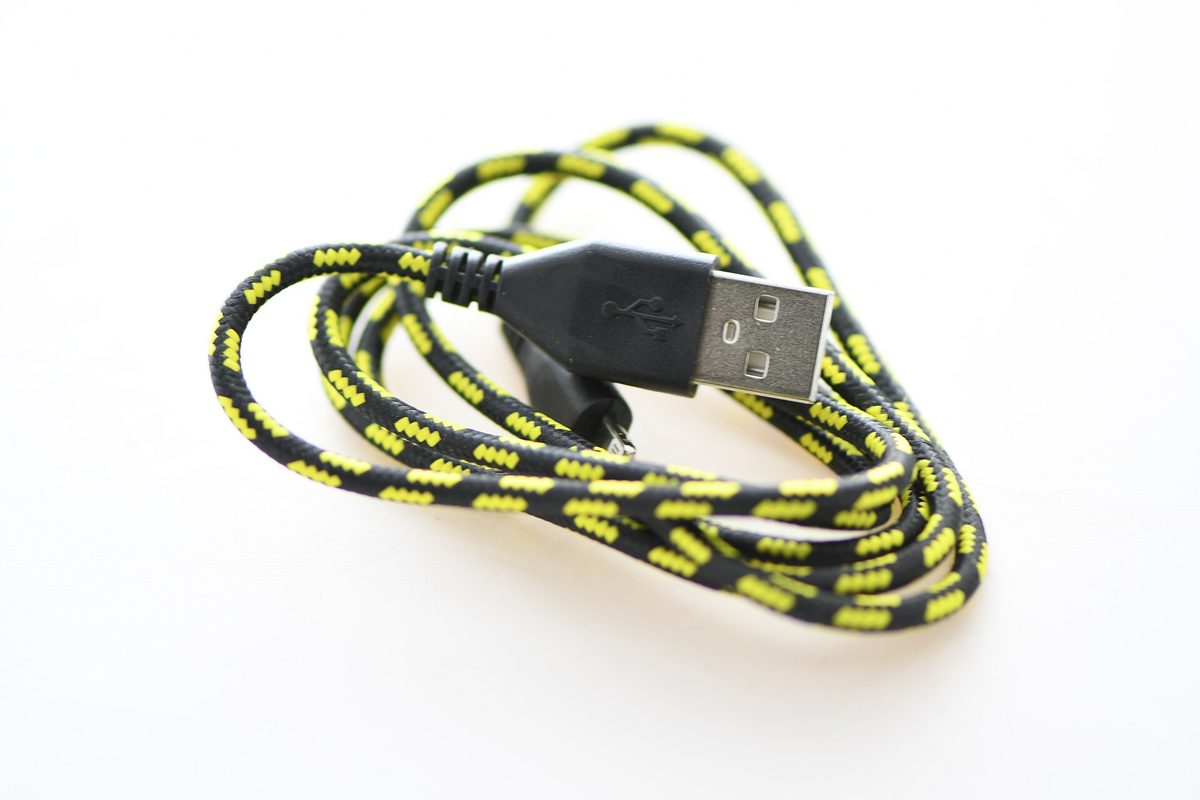
The reason nobody had a clean answer is that the choice depends on how the trip is shaped rather than on the gear itself. A separate day pack makes sense for someone who leaves a base apartment every morning and works from cafes, because the main bag stays behind and the electronics travel light. It makes much less sense for someone moving between cities every few days, where the second bag becomes a second thing to carry on trains and a second thing to watch in a station. The people who do carry one tend to describe a small pack that holds a laptop, a charger pouch and a cable roll, sized so it fits under an airplane seat, and they treat it as their personal item rather than as luggage. The people who do not carry one describe consolidating everything into a single bag with a padded laptop sleeve and accepting that they unpack more often. What almost everyone agrees on is that cables are the part that goes wrong. A pouch of mixed cables and adapters gets borrowed, misplaced or left plugged into a wall socket in a hostel, and replacing a specific cable in a small town is far harder than replacing it at home.
Charging at Altitude
On high-altitude treks, electricity stops being a utility and becomes a line item. At lower elevations, teahouse owners allow free use of their charging ports. Higher up, you may have to pay $5 to charge your devices. Hot showers are not usually free either. They cost $2 to $6 each. Electric blankets or heaters may be available for $20 per night. Charging devices runs $2 to $6 per hour.
Do the arithmetic on a week of that and the electronics stop being incidental. A phone, a camera, a power bank, a laptop if you are working — each one is a running cost at elevation.
The mechanics behind those prices are worth understanding, because they explain why the fees climb as the trail does. At lower elevations the village is connected to a grid, and a socket costs the owner almost nothing to offer. Further up, the power comes from solar panels or a micro-hydro setup, and on cloudy days or in the dry season the supply shrinks while the number of trekkers asking to charge does not. Some lodges run a generator in the evening for a few hours, which is why charging is often restricted to a window rather than available all day, and why a queue forms outside the one power strip in the dining room. The practical consequence is that a full charge takes longer than expected and may not finish before the generator shuts down. Trekkers who plan around this carry a power bank large enough to recharge a phone two or three times and charge the bank itself at lower, cheaper altitudes. Locals working on the trail do the same thing, and they are usually the ones who will tell a traveler which lodge up ahead still has free charging and which has started charging by the hour. The other detail worth knowing is that cold drains batteries faster, so a phone that lasts a full day in the valley may die by mid-afternoon at altitude, which quietly doubles the number of charges a trip requires.
Visas and Insurance
Over 50 countries offer digital-nomad visas for 2026. The typical requirement is a minimum income of $1,620 to $3,780 per month, plus health insurance. That income floor rules out a lot of people who assume the visa is mostly paperwork.
Insurance is where the numbers get interesting. One policy aimed at digital nomads, volunteers and sabbatical travelers offers medical assistance up to $324,000 with a single price regardless of trip duration. It starts at $1,161 annually. Another combines fully digital management through an assistance app with 24/7 chat and video consultation, plus modular policies sold by the day and options for adventure sports and cancellation.
Both structures solve the same problem: a long trip makes per-day pricing punishing, and a short trip makes annual pricing wasteful. The digital-first model also matters for anyone who has tried to file a claim from a guesthouse with unreliable signal.
The application process itself is where most of the time goes, and it is rarely the form. Applicants are typically asked to prove the income floor with bank statements or contracts covering several months, which means the paperwork has to be assembled before the application is started rather than alongside it. Bank statements from a single strong month usually will not do; consulates tend to want a pattern. Health insurance has to be in place and documented before the visa is issued, so the policy and the application move together, and a policy bought after approval will not satisfy the requirement. Processing times vary widely by country, and the ones with the longest queues are usually the ones with the most attractive terms, so travelers who leave the application until a few weeks before a flight often end up changing plans. The people who get through it smoothly tend to describe treating the visa like a tax return: gather the documents first, in one folder, then fill in the form once.

The Rental Car That Would Not Register
One traveler booked through an intermediary and then hit a wall. The rental company demanded digital registration so everything would go faster, but because the booking had gone through the intermediary, that was not possible. Finding this out took 30 online attempts and one phone call to the rental company.
The lesson is not about which company. It is that a booking made through one channel may not be configurable through another, and the failure only surfaces at the counter. Thirty attempts online. One call. To learn a rule nobody had stated upfront.
The counter is where this kind of problem always lands, and it lands at the worst possible moment, with a queue behind and a shuttle to catch. The reservation exists, the confirmation email is on the phone, and the system still will not let the agent attach the booking to a driver profile, because the record belongs to the intermediary rather than to the rental company. What follows is a stretch of waiting while the agent tries the same fix repeatedly, sometimes a call to a support line, and occasionally a suggestion that the traveler rebook directly at the walk-up rate, which is almost always higher. Travelers who have been through it describe a few habits that reduce the odds. Booking directly with the rental company costs a little more upfront but keeps the reservation inside one system. If an intermediary is used, arriving with the confirmation number, the intermediary’s own contact line and a printed copy of the terms shortens the conversation considerably, because the counter agent can then call the right place instead of guessing. Building an extra half hour into the pickup, especially on a late arrival when the desk is thinly staffed, costs nothing and absorbs most of the delay. None of this is dramatic advice, but the difference between a fifteen-minute pickup and a ninety-minute one usually comes down to whether the booking and the counter can see each other.
Gear Is a Budget Line
The pattern across all of this is that electronics generate costs in places people do not look. Roaming. Charging. Heat. Insurance that has to cover the equipment and the person carrying it. A monthly income threshold that assumes you are earning from the laptop you are hauling up a mountain.
The $2,000-a-month figure that keeps appearing among nomadic couples is not a gear budget. It is a total. The charging fees and the roaming charges and the $20 electric blanket come out of that same number. So does the day pack, if you decide you need one, and the separate insurance policy, and the visa application that requires you to prove you earn enough to be there in the first place.
None of it is dramatic. It is just arithmetic that most people do after the trip instead of before. The teahouse owner charging $5 for a plug is not gouging anyone. He is running a generator. But the traveler who budgeted for tea and beds and not for electricity is the one who notices.
Leave a Reply