Some links on this page are affiliate links. If you book or buy through them, we may earn a small commission at no extra cost to you. It never changes what we recommend — every price here is one we would pay ourselves.
A mid-range traveller in Western Europe spends $130 to $216 a day. In Eastern Europe, the same traveller spends $54 to $108.
Where the Money Goes
A mid-range traveller in Western Europe spends $130 to $216 a day. In Eastern Europe, the same traveller spends $54 to $108. That gap is the single most useful number in European budgeting. It tells you the continent is not one destination with one price.
Ireland sits on the Western European side of that line. The figures below are drawn from what travellers actually report spending, converted to dollars at 1 EUR = $1.08.
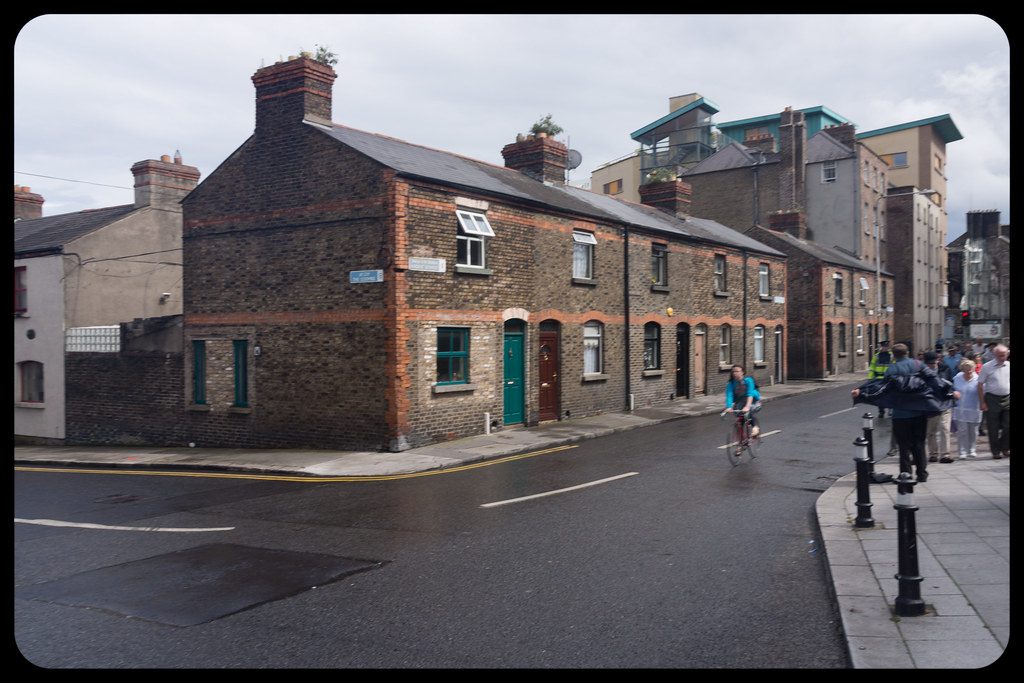
What that line looks like on the ground matters more than the line itself. In Ireland, the Western European side means Dublin restaurant menus that make a visitor wince, hotel rates that climb sharply on weekend nights, and a pint in a city centre pub that costs more than a meal in some parts of Eastern Europe. It also means the things that make a trip good — the cliff walks, the long conversations in small pubs, the free museums, the beaches — are mostly not the things that cost money. The budget problem in Ireland is rarely the country itself. It is the flight in, the bed at night, and the habit of eating every meal out.
The Daily Number
If you stay in hostel dorms, eat most meals at inexpensive restaurants, take free tours, buy a rail pass, and add a few paid museums and activities, you need about $108 a day in Western Europe. Central Europe runs about $76 a day. Eastern Europe, $54. Scandinavia, $130.
Those are working numbers, not worst cases. They assume you are not eating steak every night and not booking private rooms. They also assume you are doing the free stuff — walking tours, public parks, the museums that do not charge.
For anything ticketed and popular, advance booking is simply prudent.
For Ireland specifically, budget on the Western European end. $108 a day is realistic if you are disciplined. $130 to $216 a day is what mid-range spending looks like once casual restaurants, one nicer meal, and occasional takeaways are in the mix.
The daily number is also the number most people get wrong, because they build it from the wrong end. It is easier to hold a budget by controlling two or three fixed costs — where you sleep, how often you eat out, how you move between towns — than by trying to save small amounts all day. A dorm bed and a supermarket breakfast do more for the total than skipping a museum. The travellers who come home closest to their estimate are usually the ones who decided in advance which nights they would eat properly and which nights they would not.
Getting There
Flights are where the budget breaks first. Book nine to twelve months out if you can. Travellers who compared prices over one to two weeks and accepted a stopover often saved several hundred dollars. West coast departures run $648 to $1,080 per person depending on season and flexibility.
Visa fees vary by country, roughly $54 to $356, and flights for a longer trip can run $540 to $2,160 depending on destination and season. One traveller reported spending just under $2,700 on visas and flights combined, long-haul included.
Low-cost carriers have moved hand luggage out of the base fare as standard practice. The European Commission has criticised this. The carriers disagree. Either way, check what is included before you compare prices. Checking in at the airport counter instead of online can cost $11 on some budget airlines. Print your boarding pass at home.
The practical version of this is a routine. Search in a private window, because fares shift with your browsing history more often than the airlines admit. Compare the same route across a couple of weeks rather than a couple of days, and treat a Tuesday or Wednesday departure as a different product from a Friday one. A stopover in a hub like Reykjavik, Amsterdam or London usually adds a few hours and subtracts real money, and it is often the single easiest saving on the whole trip. When comparing fares, add the bag, the seat and the airport transfer before deciding which one is cheaper. The headline price is rarely the price.
Small Costs That Add Up
A local SIM with credit: $14.
A supermarket beer in some destinations: about $2. Imported beer: from $3. Craft beer: from $4 a bottle. These are not Irish prices specifically, but they show the range you are working with across Europe and beyond.
Mobile data, airport transfers, the coffee you buy because you are tired — none of these are dramatic on their own. Together they are the difference between $108 a day and $150 a day.
In Ireland the small costs have a particular shape. A local SIM bought at the airport or in a phone shop takes a few minutes to set up and needs a photo ID in most cases; buying it in town is usually cheaper than buying it in the terminal. Airport transfers are where the first real money disappears — the bus into a city centre is a fraction of a taxi, and the ticket machines take cards. Laundry is the quiet one. Every week or so, a hostel machine and a dryer eat into the budget, and the travellers who plan for it are the ones who packed for ten days instead of thirty. Tipping is gentler than in the US and rarely expected beyond a euro or two at a restaurant or a round-up in a taxi, but it still exists, and it still shows up in the total.
The Broader Comparison
Japan, for what it is worth, runs 30 to 40 percent cheaper than a comparable Western Europe trip for most Western visitors. The weak yen does that. Food, local transport, and mid-range hotels undercut most developed countries. The expensive parts are the flight and peak-season hotel weeks, not daily life.
That is the useful comparison. Ireland is not Japan. But the structure of the problem is the same everywhere: the flight and the accommodation are the big-ticket items. Daily life, if you keep it simple, is manageable.
One traveller budgeted $16,200 for six months and covered two-thirds of it through a career break arrangement. That is not a template. It is a reminder that the total number depends entirely on how long you stay and what you give up.
The comparison is also a reminder that cost is not the same as value. A country can be expensive and still be cheap to travel well in, if the expensive parts are avoidable and the good parts are free. Ireland’s best days — a long walk on a headland, an afternoon in a small town, an evening in a pub with music that starts when it starts — cost almost nothing beyond getting there. The money goes on the getting there, the bed, and the food, in roughly that order. Everything else is a choice.
What This Means for Ireland
Plan on $108 a day minimum if you are hostelling, eating cheap, and doing free activities. Plan on $130 to $216 if you want a nicer meal occasionally and a few paid entries.
Book flights nine to twelve months ahead. Compare prices over two weeks. Accept a stopover. Print your boarding pass. Buy a local SIM.
The numbers are not hiding. They are just spread across too many sources. Add them up before you go, not after.
It also helps to decide before departure what kind of trip this is. A short trip and a long trip have different budgets even at the same daily rate, because the fixed costs — the flight, the insurance, the gear — get spread across fewer days on a short one. A two-week trip to Ireland costs more per day than a two-month trip, for the same standard of travel. The longer the stay, the more the daily number matters and the less the flight does. Most people plan it the other way around, and then wonder why the total looks wrong.
Leave a Reply