Some links on this page are affiliate links. If you book or buy through them, we may earn a small commission at no extra cost to you. It never changes what we recommend — every price here is one we would pay ourselves.
A comfortable day in Copenhagen runs $262 per person, or $524 for two days, and that is the benchmark against which everything else starts to look cheap. A tight-budget city day sits between $25 and $40.
What a Day Costs
Ethiopia is not Denmark. That much is obvious before you land, and the difference shows up fastest in the daily numbers. A comfortable day in Copenhagen runs $262 per person, or $524 for two days, and that is the benchmark against which everything else starts to look cheap.
In Ethiopia the spread is wide, and it depends almost entirely on what kind of day you want. A tight-budget city day sits between $25 and $40. That covers a hostel bed, street food, and public transit. A comfortable coastal day runs $45 to $80, which buys a private room or a pension, meals in actual restaurants, and local transport. The gap between those two figures is not a gap in quality of experience. It is mostly the gap between a dorm and a door you can close.
What the tight end of that range actually looks like on the ground: a bed in a shared room in Addis or a lakeside town, injera and shiro for lunch from a place with plastic chairs and a hand-painted sign, coffee from a roadside stall where the beans are roasted in front of you, and a minibus ride across town. The comfortable end adds a private bathroom, a restaurant with a printed menu, and a taxi instead of a shared van. Neither day is better. They are just different columns.
At $35 a day you can stay in a decent shared room if you are splitting the cost with a buddy, or a comfortable dorm in a cool hostel if you are on your own. That leaves plenty over for three meals in decent restaurants, getting around, and a few beers in the evening. It is a workable number, not a heroic one.
Two things reliably blow the daily budget. The first is bottled water, which sounds trivial until it is four or five bottles a day at tourist prices. The second is transport between towns, because Ethiopian distances are longer than they look on a map and the cheap buses leave at hours nobody enjoys. Budget a buffer for both, or accept that a $25 day turns into a $45 day without anything obviously extravagant happening.
Beer and Scooters
A local beer costs around $3.30 in a restaurant or bar. In a supermarket it is roughly half that. This single fact reorganises evenings. Drink where you eat and you pay restaurant prices. Buy at a shop and sit somewhere with a view and the same beer costs $1.65.
The mechanics matter here. In most towns there is a shop within a short walk of wherever you are staying, and the local habit is to buy a round there and drink it on a bench or a step rather than pay the markup indoors. Bars know this and price accordingly. If a place is charging full restaurant rates for a bottle you could have bought cold two minutes away, that is the trade you are making for the seat, the music, and the company. Sometimes it is worth it. Often it is not.
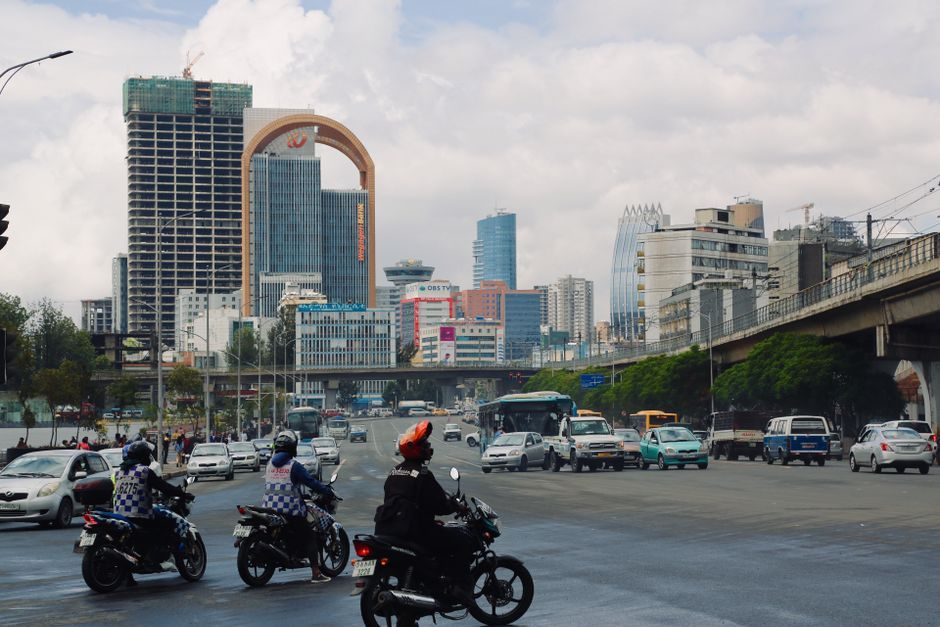
Scooter rental in Bali runs about 30 euro per month, which converts to $32.40. Electric scooters are available in some places as an alternative. This is not Ethiopia-specific, but it is the kind of figure that recalibrates what transport should cost over a longer stay. Thirty-two dollars for a month of movement is not a typo.
Accommodation prices climb over time. Properties that were $60 per night in 2023 are commonly $80 to $110 in 2026. That is growth of 5 to 12 percent per year, and it applies to the places travellers actually book, not just the ones on the high end. A number you read two years ago is a number you should adjust upward before you budget.
The practical consequence is that old blog posts are quietly misleading. A guesthouse reviewed in 2022 at a figure that felt generous may now sit well above it, and the reviews rarely get updated. When comparing options, treat any price older than a year as a floor rather than a quote, and confirm by message before committing to a longer stay.
The Safari Problem
Some costs do not scale the way you expect. A safari vehicle and driver-guide runs around $250 to $350 per day. That is a fixed cost. One person pays all of it. Two people pay 50 percent each.
This is why solo travellers get punished on wildlife trips and why pairing up matters more than haggling. The vehicle costs the same whether one person or four is sitting in it. Nothing about the road, the fuel, or the guide’s day changes. The only variable is how many people split the bill.
Haggling on the vehicle rate is close to pointless, because the operator is quoting a cost, not a wish. Where there is room to move is on the extras: park entry fees, the price of a packed lunch, whether the quoted day includes fuel and a driver who waits. Ask what is included before comparing two quotes, because a cheaper headline rate that excludes park fees is not cheaper. And book through whoever your guesthouse actually trusts, since a good operator shows up on time and a bad one does not.
For the attractions everyone wants in, booking early is the difference.
The same logic applies to hiring a guide generally, which costs $30 to $40 per day, and porters, who charge $20 to $25 per day. On a trek, those are daily rates stacked on top of everything else. Flights to Lukla add roughly $220 each way, which is a fixed cost you cannot split with anyone.
Cash, Timing, and the Fixed Things
Arriving with cash matters. A reasonable starting amount is $100 to $300 to cover cab fare, meals, and emergencies before you have had a chance to replenish at a local ATM. The exact figure depends on your spending habits, your group size, and how comfortable you are carrying cash. But the buffer is not optional. It is what stops a small problem from becoming a large one.
The reason is that ATMs are not evenly distributed and not always working. In cities there are plenty, though queues build around lunchtime and many machines cap withdrawals well below what a traveller wants in one go. Outside the cities, a machine that was working last week may be out of cash or out of service, and the nearest alternative can be a long way off. Carrying a modest reserve in small notes is the difference between a delay and a disaster. Change is also genuinely useful, since small vendors and shared taxis rarely have it.
Booking timing affects price and availability. Reserve flights, trains, cruises, and hotels one to three months ahead if you are travelling during Tet, public holidays, or peak season. Outside those windows the pressure eases.
Transport costs are the line item most often underestimated, and they can inflate a total trip cost quickly. On a $350 budget, using the cheapest and most efficient options is not a preference. It is the whole plan.
One more thing about food. You should not eat a fancy meal every day. But one event dinner is worth planning. Cheap picnics at lunch keep you moving during the hours when sightseeing actually happens. Take-out dinners or small local restaurants fill the gaps in between.
The numbers here are not dramatic. They are just specific. A beer is $3.30 or $1.65. A safari vehicle is $250 to $350 per day no matter how many people are in it. A tight day is $25 to $40 and a comfortable one is $45 to $80. Ethiopia rewards people who know which column they are spending in.
Leave a Reply