Some links on this page are affiliate links. If you book or buy through them, we may earn a small commission at no extra cost to you. It never changes what we recommend — every price here is one we would pay ourselves.
Most admission fees across the region come in at $5 or less. A tourist SIM or eSIM generally costs $5 to $20.
Two Weeks, Two Budgets
A room in Jerusalem and a room in Bethlehem can sit forty minutes apart and cost wildly different amounts. That gap is the whole story of travelling here on a budget. The politics are loud. The prices are quieter, and they reward anyone who pays attention.
The forty minutes is not a figure of speech. Bus 231 from the Damascus Gate drops down through the separation barrier and into Bethlehem in about half an hour when the checkpoint is quiet, longer when it is not, and the fare is loose change. What changes on the other side is not the quality of the bed. It is the price of it, the exchange rate you are quoted, and whether the owner quotes you in shekels or dollars. Learn the going rate for a dorm bed in each city before arriving and the negotiation gets shorter and friendlier.
What Things Actually Cost
Start with the small stuff, because it adds up faster than the big stuff. Most admission fees across the region come in at $5 or less. That covers a lot of ruins, a lot of old stones, a lot of places where you stand in the sun and try to imagine what stood there before. A handful of sites charge more, and those are the ones worth thinking about before you commit. In Dubrovnik, the city walls alone ran 250 HRK, and that was the only paid attraction visited there.
For the attractions everyone wants in, booking early is the difference.
Now convert that honestly. Croatia has since moved to the euro, but at the time of that trip the figure was 250 kuna. That is roughly the kind of number that makes you stop at the gate and decide whether the view from up top is worth skipping two dinners. Sometimes it is. Sometimes you walk the outside of the wall for free and call it even.
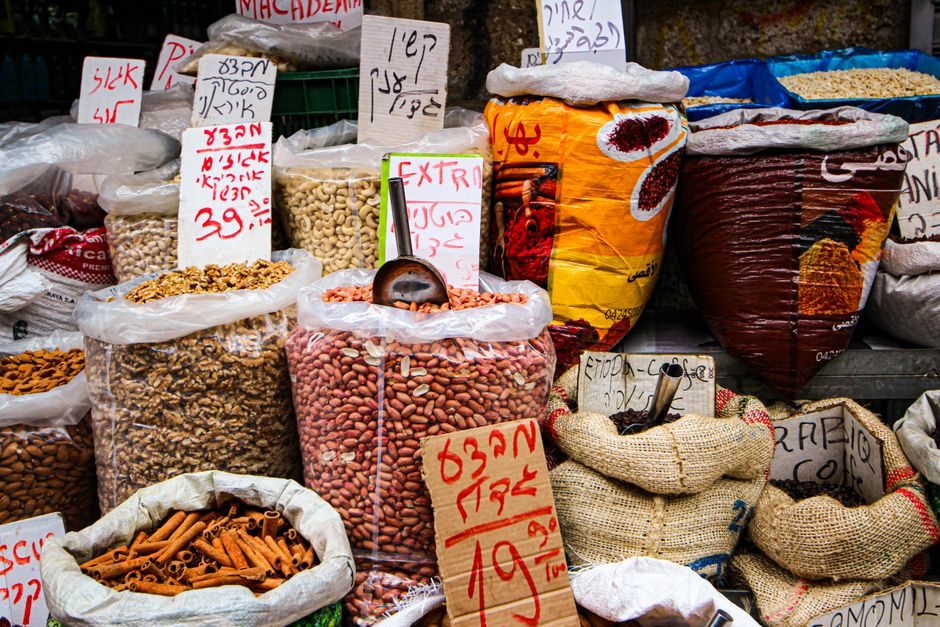
Small cash purchases behave differently here than in most of Europe. The Old City of Jerusalem runs on cash in a way that surprises people who have spent a month in Scandinavia, and the ATM at the Jaffa Gate charges a fee that stacks on top of whatever the home bank takes. Withdraw larger amounts less often rather than small amounts daily. Vendors quote in shekels, in dollars, and occasionally in dinars, and the mental arithmetic of working out which quote is better is exactly the arithmetic that separates a cheap day from an expensive one.
The bigger line item is lodging, and this is where the two halves of this trip split apart. Low-cost accommodation exists on both sides of the separation barrier. It does not look the same, and it does not price the same. Hostel dorms, guesthouses, and family-run rooms are the three realistic options, and the cheapest of them are booked by people who arrived without a plan and asked around once they got there.
That asking-around habit is worth copying. The guesthouses in Bethlehem fill on a predictable rhythm tied to pilgrim groups, which means midweek nights in the low season often have rooms that nobody has claimed, and the owner would rather fill them cheaply than leave them empty. Jerusalem runs on the opposite logic. Shabbat shuts the city down from Friday afternoon, buses stop, and anything open charges accordingly, so the traveller who arrives on a Friday evening and needs a bed that night pays for the privilege.
Transport eats the rest. Shared vans and buses between cities cost a few dollars each way. A taxi across town costs more than a bus across the country. That is not an exaggeration.
The shared vans are the ones to look for. They leave when they are full, not on a timetable, which means a twenty-minute wait in the morning and a forty-minute wait in the late afternoon. Drivers take cash, rarely have change for a large note, and will stop wherever along the route is convenient if asked politely. The buses are slower and more predictable. The sherut taxis split the difference and are worth the small premium when carrying a pack.
Timing the Trip
Prices drop 20 to 40 percent from peak in the shoulder months. Good weather with occasional rain begins then. Fewer crowds at ruins and beaches. That window is the single best lever a budget traveller has here, and it applies whether you are sleeping in Jerusalem or in a guesthouse near the Dead Sea.
Peak season is peak season. You will pay it. The question is whether you need to.
There is a second timing lever that has nothing to do with weather. Major religious holidays fill every bed in Jerusalem and Bethlehem at once, and the prices that week are set by scarcity rather than season. Easter and the week around it is the obvious one. Less obvious is the stretch of autumn festivals, when the city swells and the guesthouses that were half empty a fortnight earlier are turning people away. Check the calendar before booking flights, not after.
Gear and Connectivity
If you are a one-time hiker in a year, do not buy gear. Rent it. In the Thamel area of Kathmandu, rental runs $2 to $3. That is a different country, but the principle travels: the hiking around Jerusalem and the West Bank does not require a $200 jacket, and renting beats buying for anyone who hikes once and flies home.
The trails here are not alpine. They are dry, rocky, exposed, and short, and the failure mode is not cold but sun. The gear that actually earns its place in a pack is a hat, a refillable bottle, and shoes with grip on loose stone. Everything else can be bought locally if it turns out to be needed, which it usually does not.
A tourist SIM or eSIM generally costs $5 to $20. Coverage matters more than data volume when you are heading into remote or mountainous areas. Pick the network that reaches where you are going, not the one with the biggest number on the package.
Worth knowing before buying: coverage is not uniform across the region, and a plan that works perfectly in Tel Aviv can drop to nothing an hour south. Ask at the shop where the signal actually holds rather than trusting the map on the packaging. Buying at the airport is convenient and more expensive. Buying in the city takes an extra stop and saves money, and the staff will set the phone up on the spot.
The Prep Bill Nobody Mentions
Long-term travel has five preparation expenses that hit before you leave: travel insurance, vaccines, pharmacy runs, the first flight tickets, and all of the extra costs that attach to those four. None of them are optional if you are going for months rather than weeks. All of them are cheaper when handled early.
For a shorter trip, the same logic shrinks. Insurance for two weeks costs less than insurance for two months. Vaccines are a one-time cost that carries forward to every trip after. The pharmacy run is the one people forget, and it is the one that stings at the airport when you buy the same pills at triple the price.
The pharmacy run deserves its own paragraph because the specific items matter. Rehydration salts, a basic antibiotic cream, painkillers, and anything taken regularly at home. Pharmacies in the region are well stocked and the pharmacists are helpful, but the brand names differ from the ones at home and the language barrier at a counter is a bad time to be working out dosage. Carry the original packaging with the generic name printed on it. Keep prescriptions in their labelled containers rather than decanted into a pill organiser, because a checkpoint or an airport security officer has no way to verify a handful of loose tablets.
The Number That Matters
Look at the total cost, not the cheapest ticket. A $40 flight that lands you three hours from your hostel and forces a $60 taxi is a $100 flight. A $90 flight that lands you at the central station is a $90 flight. The same arithmetic applies to every booking on this trip.
A day here might cost $5 in entries, $2 to $3 in local transport, and whatever your bed costs. Or it might cost the price of a city wall. Both are real. The difference is whether you counted before you went.
The counting is not complicated. It is a running total kept in a notes app, updated once a day, with the currency conversions done at the moment of spending rather than reconstructed from memory a week later. Travellers who do this consistently are the ones who can afford the occasional splurge, because they know exactly what it costs them and what they are giving up. The ones who do not are the ones who arrive home with a bank statement they cannot explain.
Leave a Reply