Some links on this page are affiliate links. If you book or buy through them, we may earn a small commission at no extra cost to you. It never changes what we recommend — every price here is one we would pay ourselves.
Even with frequent stops for Western food, one traveler’s total food cost came to $11.21 per person per day, groceries included. A $30-per-day travel budget almost certainly does not include visa fees or insurance.
The Numbers Behind the Meal
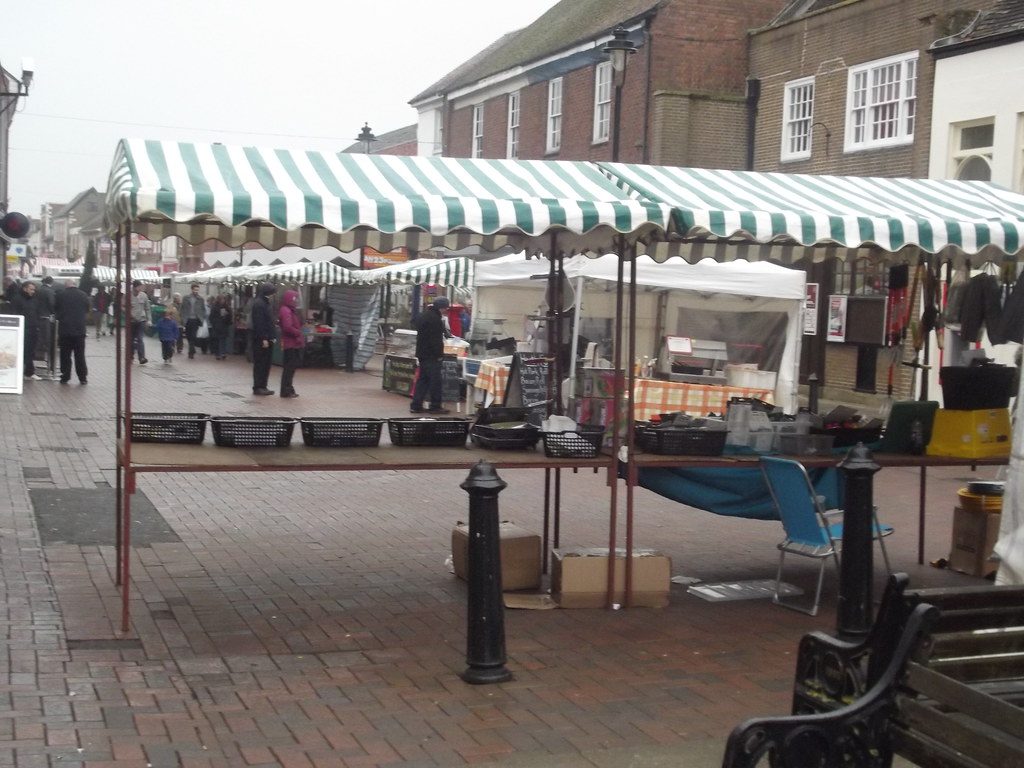
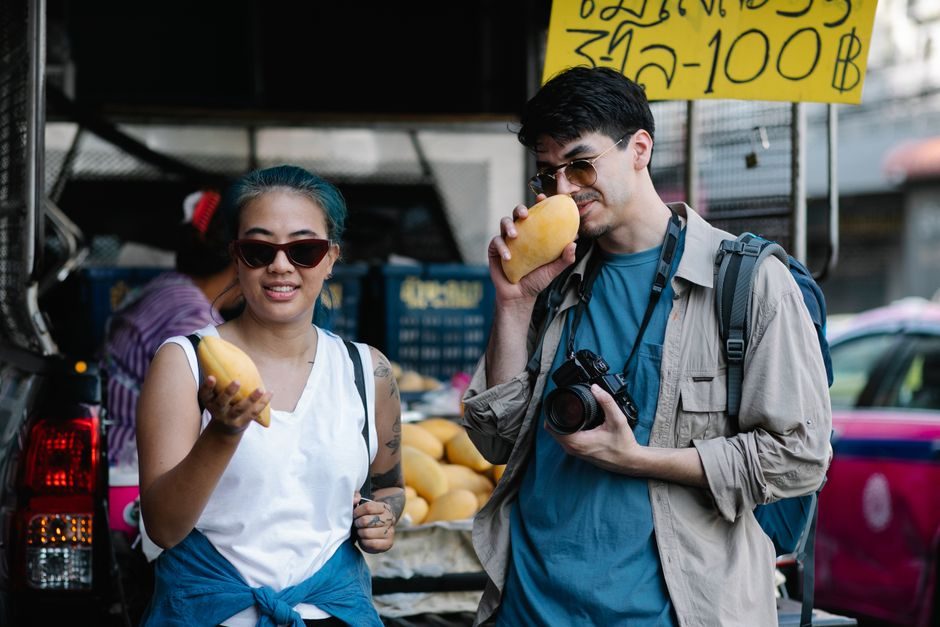
In 2026, most authentic Thai street food still costs locals ฿40–฿80 per dish. That is roughly $1.15 to $2.30 at current rates. Sit down at a table with a plastic cloth in Chiang Mai or Bangkok and the same plate might cost you three times that, not because the food is better but because the location is. The markup hides in the seating, the English menu, the air conditioning. Phuket and Pattaya run higher still. None of this is a secret to anyone who has eaten their way through a Thai market at 8am, but it is worth saying plainly: the cheap food is not hard to find. It is just rarely the food that gets photographed.
Street food also happens to be one of the more sustainable and culturally direct ways to eat in the country. You pay the person cooking. You eat what they made that morning. That is the whole transaction.
The tell is usually the queue, and it is not the queue of foreigners. A stall with a line of office workers at 11:30am is a stall that will be sold out by one. Look for the ones with a single wok, a stack of washed bowls and a laminated price list taped to the cart rather than printed on a board. Vendors who have been at the same corner for years tend not to advertise, because they do not need to. Cash is the default everywhere; a few stalls now take a QR scan through a local banking app, but a foreign card will not work and nobody will offer to break a thousand-baht note at 7am. Carry small bills. Ordering is done by pointing, and the usual failure is ordering too much on the first pass. Portions are small on purpose, and eating three or four dishes across an evening is normal. If a dish arrives with a saucer of chilies and fish sauce, that is a condiment, not a side — spoon it over rice rather than eating it straight. The other thing that catches people out is the schedule: many stalls open for a breakfast rush, close by mid-morning, and reopen in the late afternoon for a different crowd. Between roughly 2pm and 4pm whole streets go quiet.
What a Day Actually Costs
In Malaysia, a traveler reported spending $11 per day total. Two activities: eating and drinking. The warning attached to that figure is that Malaysian food is spicy in ways that catch people off guard, including basic rice and noodles. That $11 is not a typo or a boast. It is what happens when accommodation is cheap and the day’s main expense is lunch.
In Indonesia, local warungs serve freshly cooked food for $1.50 to $4. Nasi Goreng, Mie Goreng, Satay, Soto Ayam. Four dishes, a few dollars, and you have eaten well for a fraction of a Western restaurant bill. In Venezuela, over 29 days, total spending came to $155, which works out to $5.31 per person per day covering all food, transport and other expenses. That is an extreme case, and extreme cases are not a budget plan. But they are a reminder that the floor is lower than most people assume.
Even with frequent stops for Western food, one traveler’s total food cost came to $11.21 per person per day, groceries included. That is the number with the cheating baked in.
What those daily figures hide is the shape of the day. A warung is often a front room with plastic chairs, a glass cabinet of pre-made dishes and a pot of rice that never quite empties. You take a plate, point at two or three trays, and pay on the way out. The whole meal takes fifteen minutes. The rhythm that keeps costs down is eating when locals eat: a real breakfast, a late lunch around two, and something small in the evening from a night market. Travelers who keep Western mealtimes end up paying Western prices, because the only kitchens still open at nine in a small town are the ones with a tourist menu out front. Groceries are worth a look even in cheap countries — a supermarket run for fruit, water and bread routinely costs less than a single restaurant meal, and it doubles as the cheapest way to figure out what things actually cost before you start negotiating anything.
Where Budgets Break
A $30-per-day travel budget almost certainly does not include visa fees or insurance. It means food, accommodation and local transport. Everything else sits outside the figure. That distinction matters because people build plans around a number that was never meant to hold the full weight.
In mountain regions, food and lodging run $20 to $40 per day. A guide costs around $30 to $35 daily. A porter charges $20 to $25. Add those together and a trekking day is not a $30 day. It is a $70 or $80 day, and that is before you eat.
In India, food costs stay under 500 rupees per day unless you are eating at tourist restaurants. Singapore is a different problem. Private rooms run around $50 per night, and taxis and transport cost roughly what they cost in the West. Chinatown and Little India are where the cheaper beer and food are. Those neighborhoods get visited often, and not by accident.
The general split across a trip looks like this: roughly 40% accommodation, 22% food and drink, 18% local transport, 15% activities and tours, with the remainder going to SIM cards, laundry and fees. In cheap countries, accommodation can be half your spending or more. In expensive ones, food and transport eat the difference.
If you need data immediately, an eSIM is the fastest route.
The trekking numbers are where most spreadsheets fall apart, because the quoted day rate rarely includes the park permit, the TIMS-style registration card, the bus to the trailhead or the tea-house meals that cost more the higher you climb. Everything is more expensive above the road. A lodge at altitude charges for hot water, for charging a phone, sometimes for a blanket. Guides are usually paid at the end of the trek rather than up front, and tipping is expected on top of the day rate — the standard is a percentage of the total, agreed before you set off rather than at the trailhead on the last morning. Permits are bought in the gateway town, often at a government office that closes for lunch and does not open at weekends. Turning up on a Saturday expecting to start walking on Sunday is the single most common way a trek loses a day.
Seats and Assumptions
Airlines increasingly charge for seat selection. The fee varies by carrier. On a long flight, paying $20 to $40 to sit alone is a calculation some travelers make. Others skip it and rarely end up beside anyone anyway.
A $65 utility budget assumes the power stays on and the internet works. A $120 grocery budget assumes the shelves have food on them. A $50 healthcare plan assumes the clinic has medicine and its doctors have not left. Those assumptions are not pessimistic. They are just what the numbers rest on.
With $50 per day in a place like Sri Lanka, the trip changes shape. Boutique hotels become possible. A couple of organized tours fit. Food and transport loosen up. That is the same $50 that buys a dorm bed and three street meals somewhere else. The number does not travel. The context does.
Seat fees are also where the booking flow works against you. The charge usually appears twice — once when the fare is selected and again during check-in — and the price can rise as the flight fills. A traveler who declines at booking and then checks in early often lands a reasonable seat anyway, because the seats that remain unassigned are frequently the ones nobody wanted to pay for: middle seats in the last few rows. On a full overnight flight that matters. On a two-hour hop it does not. The other quiet cost is the bag. A fare that looks cheapest at the search stage sometimes includes nothing but a personal item, and the gate fee for a carry-on is higher than the price quoted online. Reading the fare class before paying is dull, and it is the difference between a cheap flight and an expensive one.
Leave a Reply