Some links on this page are affiliate links. If you book or buy through them, we may earn a small commission at no extra cost to you. It never changes what we recommend — every price here is one we would pay ourselves.
A dorm bed in Western Europe runs $20 to $40 a night. In Eastern Europe, a good dorm costs $10 to $20.
What the Numbers Look Like
Twenty-nine days in Thailand, $2,698. That works out to $93 a day. It is not the cheapest possible trip, but it is a real one, and it is the kind of figure that makes people either book a flight or close the tab. The number comes from an actual ledger, not an estimate — flights in and out, every hostel bed, every bowl of noodles, the lot. What it does not include is the month of research that preceded it, or the vaccinations, or the new pair of sandals bought at the last minute because the old ones fell apart in an airport bathroom. A 14-day Thailand trip for two people came in at 3,952 euros, which is about $4,268 at 1.08 dollars to the euro, or roughly $2,134 per person. That second trip is worth looking at closely, because it covers the same country in half the time for more than twice the per-person daily rate. Two weeks means fewer slow days, more paid activities packed into each one, and no chance to let a cheap week balance out an expensive one. Three weeks across Colombia, Ecuador and Peru is a different shape entirely, but the arithmetic is the same: nights multiplied by beds, meals multiplied by days. Crossing three borders in three weeks adds its own line items — bus tickets that eat a full day each, departure taxes at land crossings, and the occasional night in a border town that nobody chooses for pleasure.
Sri Lanka averaged $105 a day over 29 days, on a total of $3,053. That is more than the Thailand figure and less than a lot of people assume. The person who reported it described the country as a wonderful experience and felt the money was well spent. Worth noting that Sri Lanka is small enough to cross in a day, which sounds efficient until the day is spent on a bus that stops every few hundred metres to pick up someone carrying a sack of something. Two numbers, two countries, one obvious point: the daily rate is the only number that matters when you are deciding where to go and how long to stay. A total tells you what someone else spent. A daily rate tells you what the place costs.
Beds Are the Whole Budget
A dorm bed in Western Europe runs $20 to $40 a night. In Eastern Europe, a good dorm costs $10 to $20. That gap is the single largest lever most backpackers have. Twenty nights in Western Europe at $30 a night is $600. The same twenty nights in Eastern Europe at $15 is $300. Same trip length, same backpack, half the accommodation cost. The catch is that the cheap cities are not always the cheap cities on the day you arrive. A festival, a conference, or a long weekend in a university town can double every bed in the city, and the hostel that quoted $12 on a Tuesday wants $35 on the Friday. Booking the first two nights before arrival and leaving the rest open is the usual compromise — it costs a little more than pure improvisation and saves a lot of standing in a lobby at midnight with a bag on your back.
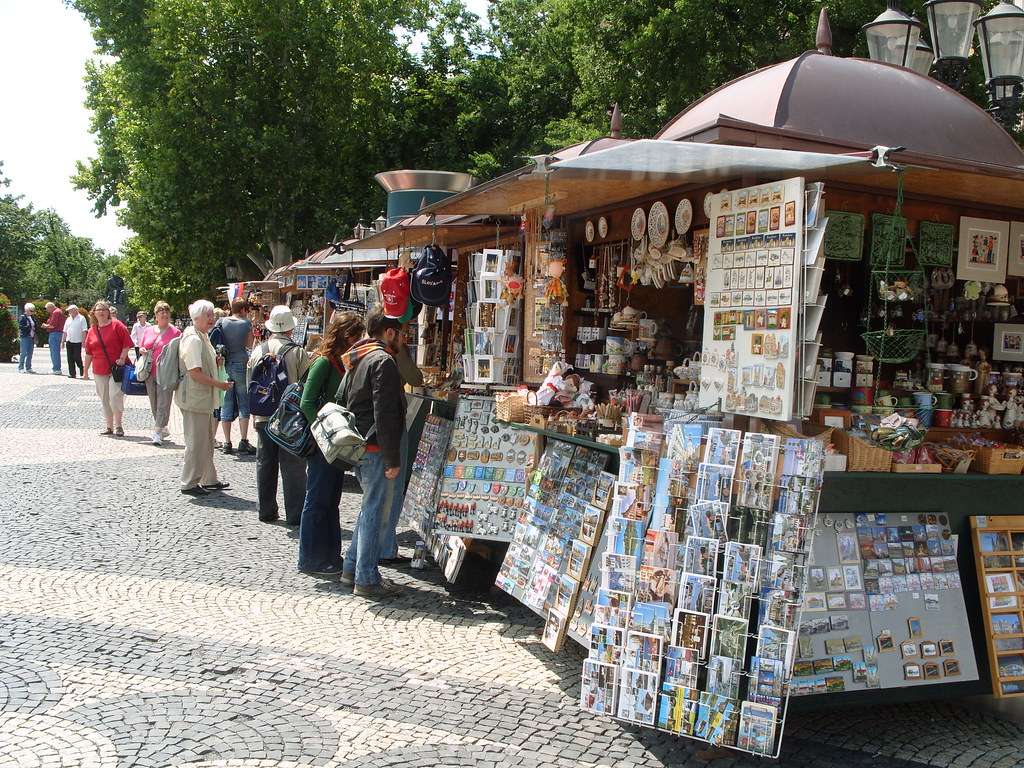
Not everyone wants a dorm. A married couple in their thirties, travelling in April during peak season, skipped shared rooms and still found clean, comfortable guesthouses, private hostel rooms and business hotels for $80 to $90 a night in cities including Tokyo and Osaka. That is $560 to $630 over a week. More than a dorm, less than most people expect from Japan in high season. April is cherry blossom season, which is the busiest fortnight of the Japanese year, and they were still paying less than a mid-range hotel in most American cities. The rooms tended to be small, the beds firm, and the walls thin, but every one of them was spotless and within a few minutes of a train station. Japanese business hotels are a specific genre: tiny, uniform, deeply reliable, with a vending machine in the lobby and a checkout time that is enforced with a quiet firmness.
Meals, Temples, Skydives
Japan has the convenience store. A cheap dinner from the nearest 7/11 or Lawson’s can be heated and taken back to the room. That is one meal, not a strategy, but it is a real one on a long trip. The onigiri, the egg sandwiches, the cold soba in the chiller cabinet — none of it is a compromise, and locals buy the same things on the same shelves. What the convenience store will not do is give a table, a chair or a conversation. After a week of eating on a bed, most people crack and pay for a proper meal, which is where the food budget quietly doubles. The pattern repeats everywhere: street food in Thailand can run a day’s meals for the price of one restaurant dish, but the restaurant is where the air conditioning is.
Angkor is a different problem. The temples are expensive, and the fees are not optional if you want to see them. People ask whether there is another way in. There is not, and the cost sits in the budget as a fixed line rather than a variable one. The ticket is sold at a dedicated office on the road out of Siem Reap, not at the site itself, and the pass is photographed on the spot. The desk operates fixed hours and tends to get busy in the late afternoon as people buy for the following dawn, so arriving early in the day is the quieter option. Once inside, the distances between temples are real, and the usual arrangement is a tuk-tuk driver for the day. Sunrise at the main temple means a very early start and a crowd that has already claimed the reflecting pool by the time the sky turns. The quieter temples, further out, are often close to empty in the middle of the afternoon.
Then there are the things you plan for and the things you do not. A skydive in Noosa cost AUD$339, which is about $225, plus AUD$179, about $119, for the photo and video. That is $344 for the jump and the evidence. It does not appear in a daily rate until the day it does. The jump itself takes most of a day once you count the briefing, the wait for weather, the gear, and the plane ride up. The photo package is sold hard at the desk before anyone has jumped, on the logic that nobody regrets it afterwards. The weather is the real variable. Coastal Queensland gets windy afternoons, and a booking at nine in the morning is far more likely to fly than one at two.
What the Daily Rate Hides
A daily average is a smoothing tool. It turns a $344 afternoon into $11 a day across a month. It also hides the fact that some days cost $200 and some cost $25, and the $25 days are usually the ones you remember. The Thailand trip at $93 a day and the Sri Lanka trip at $105 a day are close enough that the difference is probably one flight, one tour, or one bad exchange rate. A single internal flight can be most of that gap. So can a week of paying for tours through a hostel desk rather than booking direct, which is convenient and rarely the cheapest route. The other thing a daily average hides is the front-loaded cost of getting there and the back-loaded cost of coming home: the visa fee, the travel insurance nobody enjoys buying, the airport transfer at each end. Add those to the total before dividing by days and the number gets a little worse and a lot more honest.
On the airport run, a fixed price booked early beats the meter.
The tighter version of the question is the useful one. Camping or dorms, no tours, no skydives, no temple pass. That trip exists, and it costs less than any figure above. It is also a different trip. It is a trip with more empty afternoons and more time spent finding the cheap place to eat rather than eating at the convenient one. The numbers do not tell you which one to take. They tell you what each one costs, and that is enough to decide.
Leave a Reply