Some links on this page are affiliate links. If you book or buy through them, we may earn a small commission at no extra cost to you. It never changes what we recommend — every price here is one we would pay ourselves.
Walking is often faster over short distances, but the heat and the lack of shade make that a real trade rather than a free one. For the airport run, booking a transfer ahead usually beats queueing at arrivals.
Manila Sets The Baseline
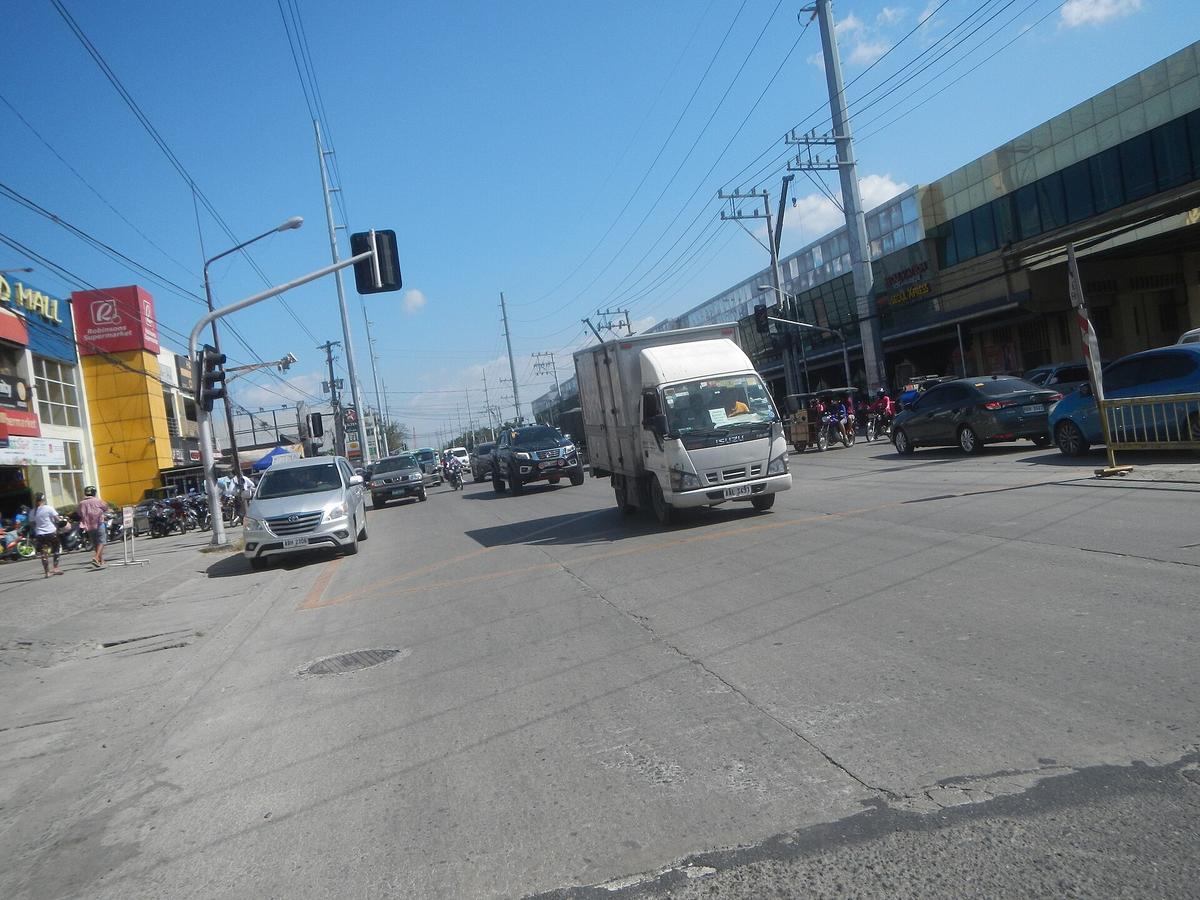
Manila has the worst traffic in the world. That is not a rhetorical flourish. It is the finding, and it shapes everything about what a trip here costs, because the city punishes you for every hour you spend in it. Hotels in the tourist areas are expensive. A traveler who has done both recommends Vietnam or Cambodia instead, and it is not hard to see why when you price out a night near the waterfront.
What that punishment looks like in practice: the distance from the airport to the Makati or Ermita hotel belt is short on a map and long in a car, and the meter keeps running while the avenue turns into a parking lot. Locals route their day around it. They leave before dawn for anything that matters, they treat a mid-afternoon errand across town as a half-day project, and they will tell you, without drama, that two hours for a trip that should take twenty minutes is normal. The practical consequence for a budget is that you either pay to stay close to what you came to see or you pay in time, and time on a short trip is the more expensive currency. Walking is often faster over short distances, but the heat and the lack of shade make that a real trade rather than a free one.
If the airport is well out of town, a pre-booked transfer is the cheaper way in.
The Philippines is not one place. That is the first thing to understand before you look at any budget. There are 7,641 islands in the country. Over 7,000 tropical islands, by the looser count people use in conversation. The spread matters more than the average, because the average is a number that describes nobody’s actual trip.
One Month, Two People
The useful figure is a budget breakdown for two people spending one month in the Philippines. That is the shape most long-stay travelers actually run: a pair, a month, a mix of cities and coast. One month for two people is the unit worth planning around, and it is the unit that early retirees living on a fixed income have also used to work out what life here costs. The same month appears in both framings because the month is the honest measurement. A week tells you what a holiday costs. A month tells you what living costs.
What does that month look like in dollars? The breakdown exists, and the costs inside it are specific: transport between islands, accommodation that swings hard depending on whether you are in a tourist zone or a town, food that is cheap at the low end and not cheap at the high end. The gap between those two versions of the same month is the whole story of budgeting here. You can spend a lot. You can spend very little. Both are real.
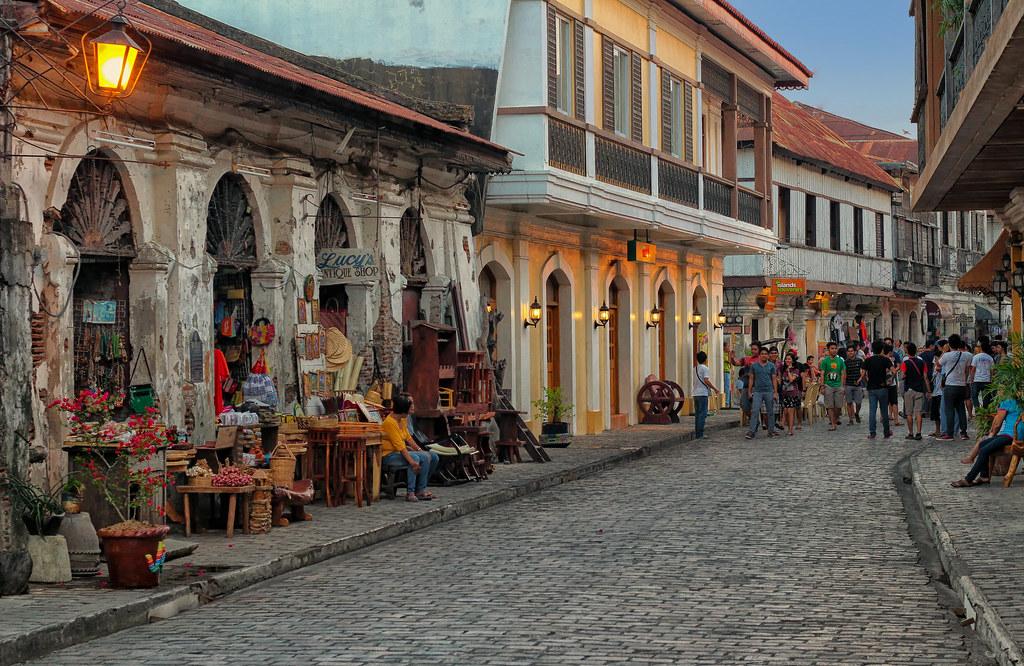
The swing is not gradual. It is a cliff, and it usually appears at the airport. A room in a resort town during high season can cost several times what a functionally similar room costs in the provincial capital an hour away, and the difference is not quality so much as who else is bidding for it. Food behaves the same way. A meal at a market stall or a neighborhood eatery where the menu is written on the wall costs a fraction of a plate at a beachfront restaurant serving the same fish, and locals overwhelmingly eat at the former. The single biggest lever on a month’s total is not how frugal the daily choices are, it is how many days of the month are spent inside a tourist zone. Two weeks in one and two weeks out produces a completely different number than four weeks in either. Travelers who track their spending usually find the same pattern: the daily figure looks alarming in the famous places and almost embarrassingly low everywhere else, and the month’s total is decided by the ratio between them.
The Cheap Part Is Real
If you are a beach person looking for inexpensive countries to travel to for relaxation by the coast, the Philippines is the one. That is the consensus, stated plainly, and it holds up. The beaches are the reason people come and the reason people stay past their planned departure.
The Philippines also lands on a top ten list of the cheapest travel destinations, sitting alongside Thailand, Cambodia, Albania, China, Turkey, Vietnam, Sri Lanka, Slovenia and Croatia. That is a list built on subjective judgment, and the person who made it said so. But it is a useful comparison set. If you have priced a month in Vietnam or Thailand, you have a rough anchor for what a month in the Philippines looks like at the budget end. It is competitive. It is not dramatically cheaper. It is in the same tier.
The island count is what makes the cheap version possible. With 7,641 islands, there is always somewhere the tourist markup has not fully arrived. The expensive parts of the country are expensive because they are the parts people have heard of. The rest of it is not.
Finding the rest of it means being willing to skip a name you recognize. The mechanics are unglamorous: pick a town that has a port and a market and no dive-shop strip, get there by whatever boat or bus actually runs that week, and expect the room to be basic rather than charming. What typically goes wrong is timing. Ferries are cancelled for weather more often than schedules admit, and the fallback is usually a longer land route or a night spent waiting. Locals build slack into their plans for this and treat a cancelled crossing as an ordinary inconvenience rather than a crisis. Budget travelers who copy that habit lose fewer days, and days are the one thing a month-long trip cannot buy back.
What The Route Question Actually Reveals
A traveler planning two months across Southeast Asia from the UK, starting in the Philippines and finishing in Thailand, asked for advice on the best route on a budget. January departure, roughly two months, one country at each end.
That question is the right question, and the answer is structural rather than geographic. The Philippines is a country you move through by air and by boat, island to island, and those hops add up in a way that overland travel in mainland Southeast Asia does not. Which is why the same traveler who tells you the beaches are the cheapest in Asia will also tell you to consider Vietnam or Cambodia if Manila is your entry point. The traffic is the worst in the world. The tourist-area hotels are expensive. Those two facts sit at the front of the trip and color the first impression.
Start somewhere else, or start in Manila and leave quickly. The islands are worth the hops. Just know that the hops are where the money goes, and that the month you are budgeting for is a month of moving, not a month of sitting still.
The reason air and sea dominate is simple geography: there is no road between most of the places worth seeing, so a short-looking leg on the map becomes a flight or a long ferry. Booked late, in peak season, those seats are the line item that surprises people, because they assume internal travel in a cheap country is cheap by default. It is not, and the price climbs sharply around holidays and long weekends when everyone with family elsewhere is also trying to move. Booking ahead helps, but the trade-off is that island weather can strand a fixed itinerary, so a rigid schedule of prepaid hops is its own risk. The travelers who manage this well tend to cluster their island time into one region rather than zigzagging the archipelago, spending fewer, longer hops instead of many short ones, and treating the return to a hub city as a single unavoidable expense rather than something to optimize.
The Short Version
Two people, one month: that is the unit. It is the unit retirees use and the unit backpackers use, and it is the only number that tells you anything true. The beaches are the cheapest in Asia by common agreement, and the country ranks among the ten cheapest destinations in the world on at least one traveler’s list. Manila is the worst traffic on earth and the tourist hotels there are priced accordingly. Beyond that, the Philippines is 7,641 islands and a wide range of possible months. Pick your version before you pick your flight.
Leave a Reply