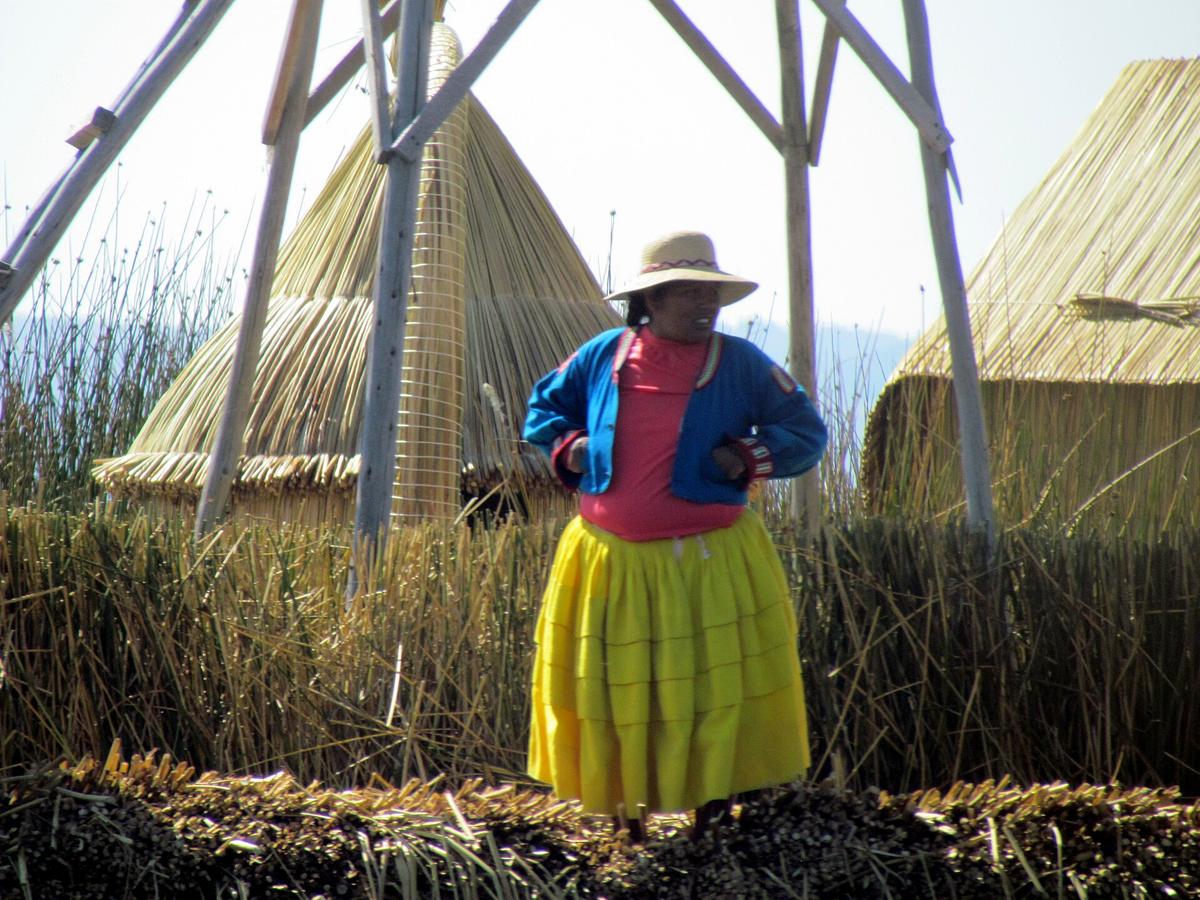
A family of two adults and two kids budgeting $100 a day for food, souvenirs, activities and shopping is working with a number that swings wildly depending on habits.
What the Numbers Actually Say
A traveller in Nepal found that boiled water is consistently cheaper than bottled water at all altitudes. That is the entire argument for carrying a purification setup, and it holds wherever you go. Iodine or chlorine tablets cost $2–$3 for a 30-day supply in Kathmandu. That supply cuts daily water costs by $3–$8.
Do the arithmetic on a two-month trip. Thirty days of tablets for three dollars against eight dollars a day saved at the top end. The tablets win by a margin that is not close.
What the numbers do not show is the mechanics behind them. In the Thamel guesthouses and the teahouses strung along the Annapurna and Everest routes, “boiled water” is not a figure of speech — it arrives as a thermos or a steel jug, filled from a kettle that has been rolling for several minutes, and it is priced by the litre rather than by the bottle. The teahouse owner is not running a charity; the margin on boiled water is thinner than on a sealed bottle hauled up from Pokhara or Namche, which is exactly why the price gap survives at altitude, where everything else gets more expensive. Above roughly 3,500 metres the bottled stuff is carried by porter or mule, and the price reflects that. The kettle does not care how high it is.
The tablets work in cold water, but slowly. At high altitude and near-freezing temperatures, the standard contact time roughly doubles, so the practical routine is to fill a bottle at night, drop the tablet, and drink it the next morning rather than waiting twenty minutes on a cold ridge. That single habit change — treating water the evening before — is what separates people who actually use their purification kit from people who carry it and still buy bottles.
The Daily Ledger
One traveller kept a running count across 228 days of travel. On 160 of those days they stayed under a $30 daily budget. On 68 days they went over.
That ratio matters more than the total. Sixty-eight overruns out of 228 days is roughly three in ten. Water is one of the few line items you can pull down without changing anything about the trip itself. You still drink. You still hike. The cost just moves.
A family of two adults and two kids budgeting $100 a day for food, souvenirs, activities and shopping is working with a number that swings wildly depending on habits. Some families barely shop but eat expensive meals a few times. Others cook for themselves and spend the rest on other things. Water sits outside that negotiation. It is a fixed need with a variable price, and the cheap option is available almost everywhere.
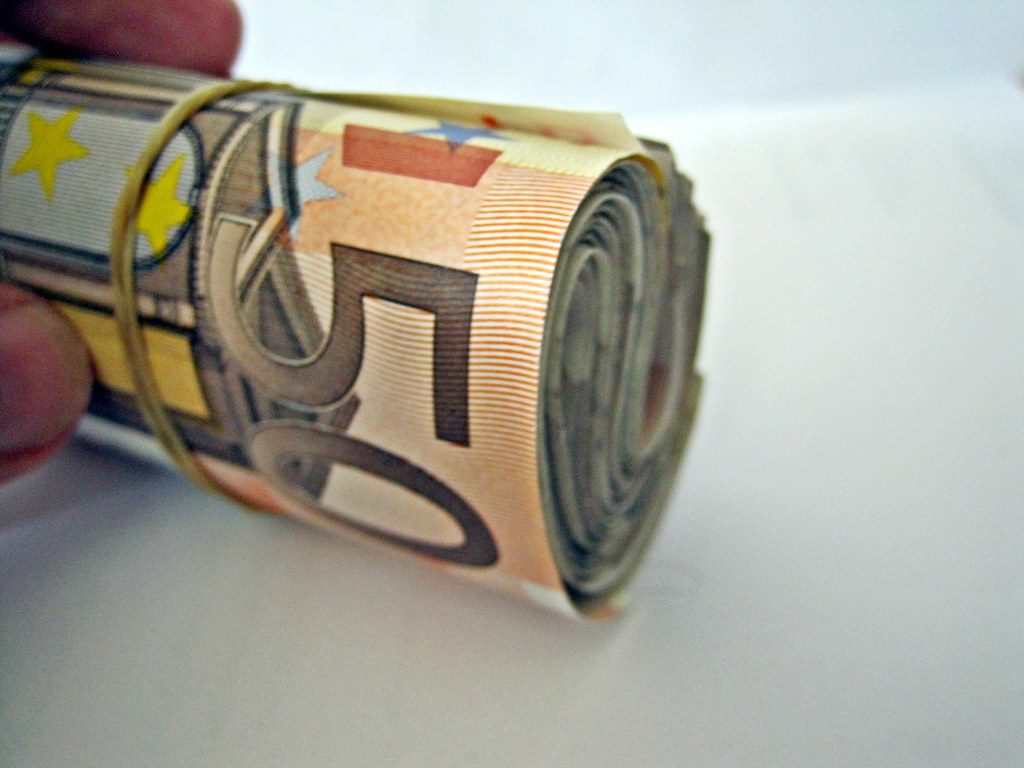
The tracking itself is the underrated part. The traveller above was not using anything clever — a notes app, one line per day, entered before bed. The reason it works is that the overrun days cluster. They are rarely random; they follow a long bus ride, a border crossing, a night where nobody wants to cook. Knowing that pattern in advance lets a family decide which overruns are worth it and which are just fatigue. A four-person family that buys four bottled waters a day at a tourist price, three or four times a week, is quietly spending the price of a decent dinner every week on something that comes out of a tap.
Cheap Countries, Cheap Habits
In Albania, a local Birra Korçë runs $1.62 to $2.70. Raki costs less. Entry to many bars in Tirana is free, and the Blloku district has dozens of bars and terrace cafés open late. Nightlife there does not empty your wallet.
In Dhaka, masala chai is about $0.21 at Tk 25. Pani puri is around $0.25 at Tk 30. These are the numbers that make a $30 daily budget survivable in the first place. They also show how quickly small purchases add up when you are not tracking them. Three drinks a day at those prices is still under a dollar, but a bottled water habit at Western prices is not.
The habits that keep a budget low in these places are local habits, and they are mostly about water. In Dhaka, chai is drunk from small glasses, hot, in shops where the kettle is always on and the water has been boiled as a matter of course. In Tirana, the default table water in a casual bar is often a jug or a carafe, and asking for it is normal rather than stingy. The traveller who orders bottled water out of habit pays a tourist price for something the person at the next table is getting for nothing. Learning to ask for what locals ask for — “uje” in Albania, “pani” in Bangladesh — costs nothing and signals that you are not a mark.
There is a hygiene caveat worth stating plainly. Tap water is not safe to drink in most of the places where the budget maths works best. Boiling, filtering or treating is what makes the local habit safe to copy. Cheap chai is boiled; a carafe of tap water is not, and treating it yourself before drinking is the whole point of the setup.
Where Budgets Actually Break
One traveller came in almost $1,000 under what they expected to spend, mostly on accommodation. They exceeded budget in exactly one category: shopping. Two unforeseen expenses hit as well, a new phone and a doctor visit.
The shopping total is worth seeing in full. $2,385 on clothes. Roughly $430 on souvenirs and small gifts. That is $2,815. Two one-of-a-kind items, a rug and a cartouche, added another $2,550, bringing the trip total up by that amount, with no regrets reported.
That is the pattern. Gear and water are predictable. Souvenirs are not. A $20 souvenir budget per child, set before you leave, turns the decision into a small money lesson and heads off impulse buys. Buying small items like keychains or stickers in advance costs a fraction of what they cost on the ground.
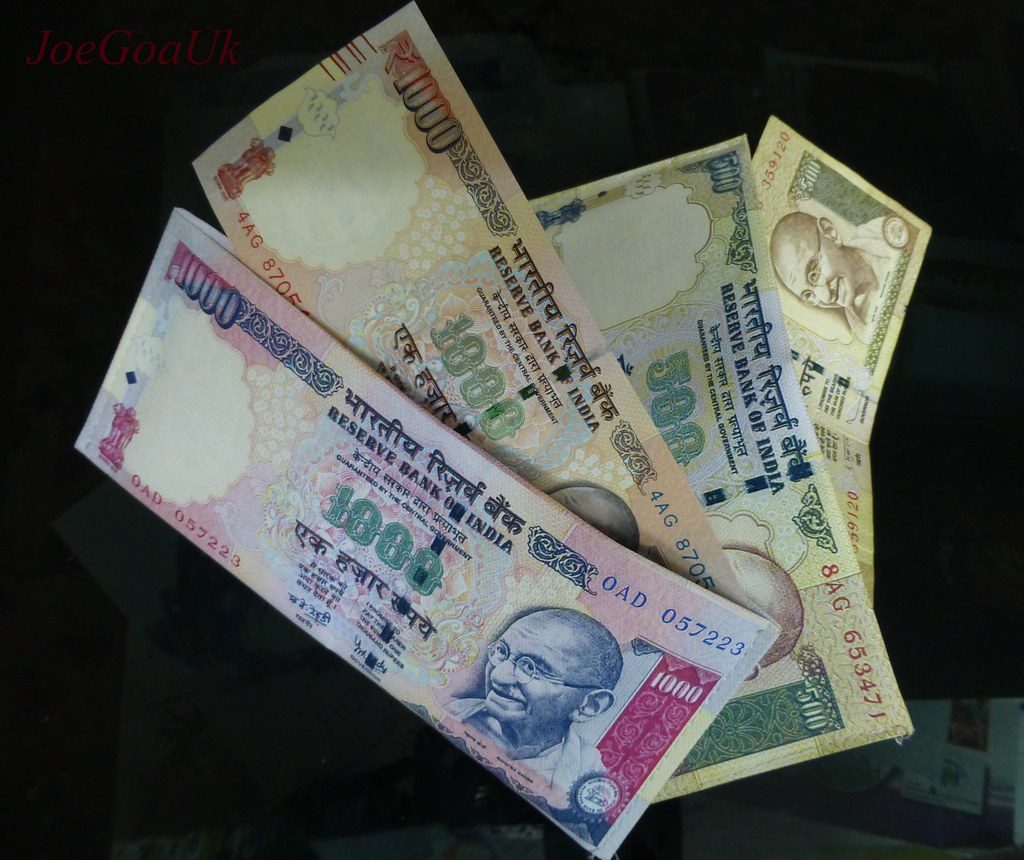
Coffee works the same way. Making it at home with a reusable filter instead of buying it on weekdays saves around $1,000 a year. That is not a travel expense, but the logic transfers directly. The recurring small purchase is where the money goes.
The unforeseen expenses are the honest part of the ledger. A dead phone and a clinic visit are not budget failures so much as the cost of moving through the world for months at a time; both are near-certainties on a long trip and are worth a small standing buffer rather than a guilty line item. The clinic visit in particular is the one place where the cheap option is genuinely off the table. Nobody should be drinking untreated water to save money and then paying for a doctor.
Gear itself is where the math gets misread. A filter or a UV pen looks expensive next to a bottle of water, and that comparison is the wrong one. The right comparison is the filter against every bottle bought over the length of the trip, which for a two-month journey runs into the hundreds. A gravity filter that serves a whole family also removes the nightly ritual of buying four bottles, which is a time saving as much as a money one.
The Gear Math
Tablets at $2–$3 per 30 days, saving $3–$8 a day. A traveller who takes one tablet a day is not flooding their body with anything. They are running a cheap system.
The number to hold onto is the daily saving, not the gear price. Over 30 days the low end of the saving is $90. The high end is $240. Against a $3 supply. Whatever you paid for the filter or the bottle, it clears that bar inside the first week of a trip, and it keeps clearing it for as long as you are moving.
What the gear choice really buys is redundancy. Tablets are the cheapest option and the lightest, but they are slow in cold water and they leave a taste that some people dislike enough to stop using them — which is the most expensive outcome of all, because the kit is then dead weight and the bottled water habit returns. A squeeze filter is faster and tasteless but clogs and needs backflushing. A gravity bag suits a family and a fixed base but is awkward on the move. The sensible setup for most trips is two methods: tablets as the everyday cheap layer, and one faster option for the days when waiting is not practical. That combination costs a little more up front and almost nothing after, and it means the system survives the day the filter clogs or the tablets run out somewhere without a pharmacy.
Restocking is the last practical wrinkle. Tablets are sold in pharmacies and trekking shops in most trail towns, but not in every village, and the further out the trail goes the more the price creeps up. Buying the supply in the first city rather than the last trailhead is the difference between the $2–$3 figure and something considerably higher. The same goes for replacement filter cartridges, which are rarely stocked outside major towns. Carry enough to finish the leg you are on, and buy the next leg’s supply before leaving the city.
Leave a Reply