Some links on this page are affiliate links. If you book or buy through them, we may earn a small commission at no extra cost to you. It never changes what we recommend — every price here is one we would pay ourselves.
At 1 EUR = $1.08, the roughly €100 a day they logged works out to about $108. The mistake is treating every meal as a restaurant meal; two of those a day and the $108 is gone by mid-afternoon.
What Hawaii Actually Costs
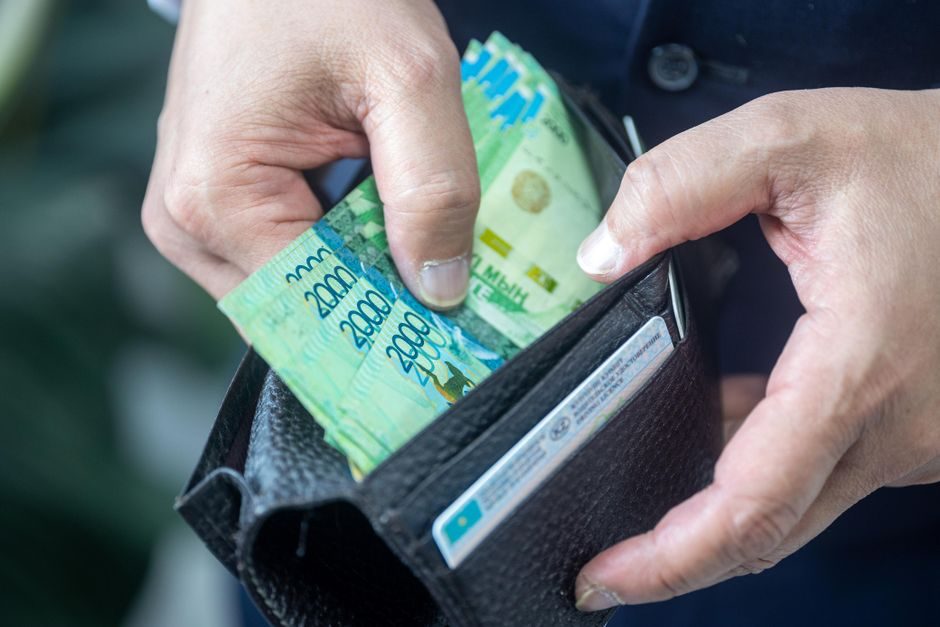
About $108 per person per day. That is the number to start with. It comes from travellers who tracked their spending across the islands, and it covers the whole trip — not just the bed, not just the food, the whole thing. At 1 EUR = $1.08, the roughly €100 a day they logged works out to about $108.
That figure sits in the middle of a range most people underestimate. It is not a hostel-dorm figure, and it is not a resort figure. It is what a normal, non-luxury day on Hawaii runs once you stop pretending you can cook every meal and walk everywhere.
Worth unpacking what sits inside that number, because the mix is unusual. A dorm bed on Oahu or Maui tends to eat a bigger share of the daily total than backpackers expect, and the gap between a hostel bunk and the cheapest private room is wide enough that most people end up splitting the difference somewhere in the middle of a trip. Food splits roughly into three tiers: groceries from a local supermarket, plate lunch counters and food trucks, and sit-down restaurants, which are the tier that quietly destroys budgets. A plate lunch — two scoops of rice, macaroni salad, a protein — is the workhorse meal of the islands and is what locals actually eat on a weekday lunch break. It travels well, it is filling, and it does not require a reservation. The mistake is treating every meal as a restaurant meal; two of those a day and the $108 is gone by mid-afternoon.
Getting around is its own line item. Public buses exist and are genuinely useful on Oahu, less so elsewhere. On the neighbour islands, a rental car is close to mandatory if the plan involves beaches, trailheads or anything outside the one main town, and parking in resort areas is often an extra charge on top. The bus network will not get a traveller to a remote trailhead at dawn, which is when the good hikes start. Fuel on the islands costs more than the mainland, and a full circuit of a bigger island can burn through a tank faster than the map suggests.
Why the Islands Cost More
Hawaii is not the only place where geography adds a premium. It is just one of the clearest cases. In Thailand, the islands of Phuket and Koh Samui cost 40 to 60 percent more than Bangkok or Chiang Mai. Add the same logic to Hawaii and the daily number stops looking strange. Islands mean everything arrives by ship or plane. Islands mean fewer competing businesses. Islands mean you pay for the view whether or not you asked for it.
The same pattern shows up in Indonesia. Hostels across the country rarely top $10 for a dorm bed, and with more than 6,000 inhabited islands out of 17,508 total, there is almost always a cheaper beach somewhere. But the popular islands — the ones with the day-trip boats and the photo spots — pull ahead of that baseline fast. Nusa Lembongan, Nusa Cenigan and Nusa Penida are reachable on a day trip from Sanur, but staying on the islands themselves is cheaper than commuting to them, which is why five full days on Nusa Lembongan made more sense than five separate day trips.
That is the arithmetic Hawaii forces on you. You are always on the island. There is no mainland version of the trip to fall back on.
The supply chain is visible if you look for it. Supermarket shelves carry mainland brands at island prices, and fresh produce that grows locally still sometimes costs more than the imported version, because the local farm is small and the distributor is not. A single carton of milk or a bag of coffee beans tells the whole story. Restaurants pass the same costs along, which is why a casual lunch can approach what a nice dinner costs in a mid-tier mainland city. None of this is a scam; it is just the freight bill, distributed across everyone who eats.
The Thailand Comparison
Thailand is still the backpacker benchmark, even though the $20-a-day era is long gone. Bangkok remains cheap. Chiang Mai sits in the middle and may be the single best budget-per-quality city anywhere. The islands — Koh Samui, Koh Phi Phi — add 30 to 50 percent to everything. Phi Phi is an outlier in the other direction: you can stay in a resort there for as little as $5, and if you time it around the Full Moon Festival you will not lack for company.
So the honest comparison is this. A day in Hawaii costs about what three or four days cost in Chiang Mai. That is not a reason to skip Hawaii. It is a reason to know what you are buying.
The comparison gets sharper when you look at what the money buys rather than just the total. In Chiang Mai, a cheap day is genuinely comfortable — a private room, street food, a motorbike rental, a temple or two. In Hawaii, the same money buys a bunk, groceries and a bus ticket, and the day still feels constrained. The value is not in the daily number; it is in what the place offers that nowhere else does. Volcanic landscapes, snorkelling that does not require a boat charter, and hiking that starts at the end of a paved road. Deciding which of those is worth three Chiang Mai days is the actual budgeting question, and it does not have a spreadsheet answer.
The Cost of Getting It Wrong
Cheap destinations do not protect you from expensive mistakes. A trip to the Canary Islands looked like a bargain beach escape until it rained for two days straight, half the restaurants were shut, and the streets emptied by 6 p.m. Rerouting to salvage the trip meant new tickets, lost deposits and a forfeited rental. The savings evaporated in an afternoon.
For the days built around one attraction, buying the ticket first keeps things simple.

Hawaii has its own version of this. Miss the inter-island flight window and you are buying a new one. Book a rental you cannot cancel and you are paying for it either way. The daily $108 is the steady state. The shocks are separate.
The inter-island flights deserve their own warning, because the failure mode is specific. These are short hops, often under an hour in the air, and they run on a schedule that assumes everyone arrives early and checks a bag without drama. Miss the cutoff and the next seat may not exist until the following day, especially in peak season. Rental cars have a similar trap: the cheap rate is usually the non-refundable one, and on an island with limited supply, a cancelled booking does not free up a replacement car — it just frees up the charge. Weather compounds both. A storm that closes a road or grounds a flight does not care about the itinerary, and the rescheduling cost lands on the traveller. The fix is boring: book flexible where the price difference is small, keep a buffer day between islands, and treat every transfer as if it might slip.
What the Numbers Do Not Cover
They do not cover the long-haul flight. For a route with seven movement days, a rough working model puts the ground costs at around $2,000 excluding that flight, and that is a model built on placeholders, not live quotes. A slow two-country trip can come in lower. Private rooms, islands and frequent flights push it much higher.
For comparison, tour packages in the Philippines run from about $700 to $2,100 depending on length, destinations and style, with some built around value and others around island experiences and scenic highlights. Hawaii sits above most of that. It is not a destination where the budget version and the normal version are far apart.
One more thing the numbers do not cover: what happens when something goes wrong. Getting sick on a remote island in Vanuatu meant the medical insurance agent offered no support at all. The embassy in Australia and local people got the traveller to a hospital. The emergency lines that were supposed to work around the clock in every country went silent.
Hawaii is not Vanuatu. But it is islands, and islands are far from things. Budget for the day. Budget separately for the flight. And leave a margin for the part you did not plan.
Leave a Reply