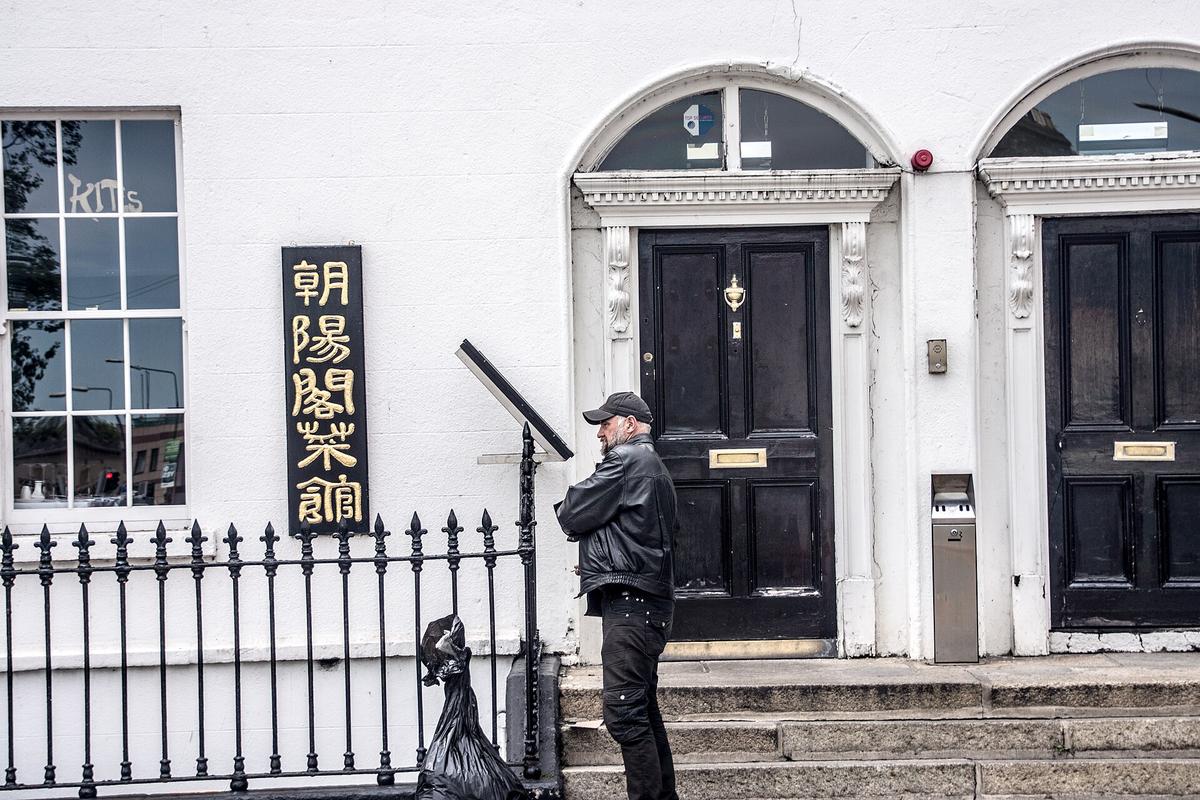
A mid-range hotel in central Mumbai runs at least about $60 a night. In Jaisalmer, out in the desert, a room can cost $5.
What a Room Costs
A mid-range hotel in central Mumbai runs at least about $60 a night. In Jaisalmer, out in the desert, a room can cost $5. Same country. The gap between those two numbers is the whole argument about budget travel in one line.
India is doable on very little if you accept the shape of the place. The expensive cities are expensive. The small ones are not. Mumbai is expensive for the same reasons any big city is expensive: land, demand, and the fact that business travellers are not price-sensitive. The hotel that charges $60 in the Fort or Colaba district is charging it because a room near the stock exchange is worth that to someone on an expense account. Jaisalmer is a walled desert town of sandstone havelis where the tourist season is short, the summer is punishing, and the guesthouses are mostly converted family homes with a courtyard and a rooftop. Competition there is fierce and the guests are almost all backpackers, which sets the price. The same logic holds in Pushkar, in Hampi, in the smaller towns of Rajasthan and Kerala. Once the business travellers and the tour groups fall away, the room rate falls with them.
What that means in practice is that the shape of an Indian itinerary drives the budget more than any single saving. A week split between Mumbai and Delhi will cost several times what a week split between Jaisalmer and Bundi costs, and the experiences are not obviously worse. The desert fort at Jaisalmer is one of the more remarkable things in the country. It is just not near an airport that a bank is willing to pay for.
The $10 Benchmark
There is a class of backpacker who lives on $10 a day no matter what. That is the shoestring end of the shoestring spectrum. It is not a figure most people hit, and it is not a figure you have to hit.
The people who genuinely hit it are usually staying in dormitories that cost a few dollars, eating where the locals eat rather than where the menu is in English, walking or cycling instead of taking taxis, and spending long stretches of the day doing things that cost nothing at all. It is a real way to travel and plenty of people do it for months. It is also a way of travelling that involves a fair amount of time spent on logistics and a fair amount of discomfort, and it stops being fun for a lot of people somewhere in the second week.
The more useful range is the one between $200 a day and $50 a day. The difference between those two numbers is not sacrifice. It is strategy. You can eat konbini meals and cheap ramen in Japan and get by on ¥2,500 to ¥4,000 a day, which is $17 to $27. You can spend $45 a day somewhere and still afford to party every evening and put real money into boat trips. Both of those are the same trip, differently arranged.
The konbini version of Japan is worth describing, because it sounds bleaker than it is. The convenience stores sell rice balls, egg sandwiches, hot oden in winter, and decent coffee, and the food is genuinely good rather than merely edible. A hostel bed in a city like Fukuoka or Sendai costs less than one in Tokyo. The trains are expensive, so the shoestring version of Japan often means picking one region and staying in it rather than racing the length of the country. The $45-a-day version of the same trip means a private room, dinner out, and a rail pass that opens up the whole map.
South America sits between Asia and Europe on cost, with enormous variation inside the continent itself. Bolivia and Nicaragua allow genuine shoestring travel at under $30 a day. Costa Rica and Chile come close to Western European prices. That is a $30-a-day country next to a $90-a-day country, often on the same itinerary.
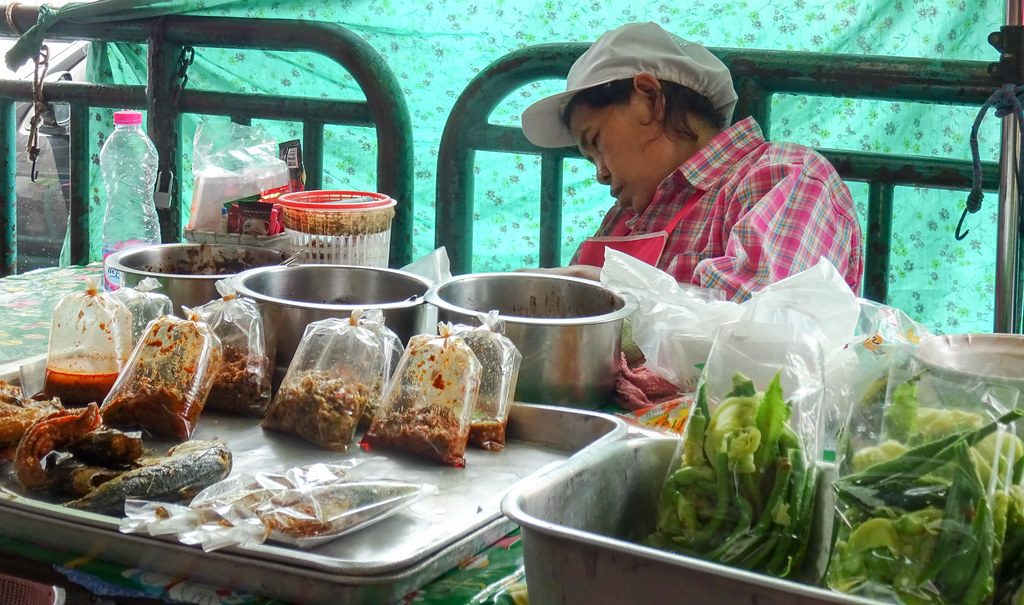
The reason for the spread is mostly infrastructure. Bolivia has cheap buses, cheap markets, and a lot of places where the tourist infrastructure is thin enough that prices have stayed low. Costa Rica built a tourism industry around national parks and eco-lodges, and the prices reflect what visitors have shown they will pay. Crossing from one into the other is a shock, and it happens on a single bus ride.
Getting From A to B
In Thailand, buses stop at the bus station in the centre of town. Shared taxis take you to Laem Ngop Pier or Laem Sok Pier for about 150 baht, which is a bit over $4. Which pier you get depends on which ferry leaves first. Boats to Koh Kood go from there.
That is the pattern worth internalising. The last leg of a trip is where small money gets spent, and it is where people get caught out, because the price is quoted in a currency they have not thought about and paid in cash they have not withdrawn.
The mechanics of the last leg are usually the same everywhere. A long-distance bus or train drops you at a station that is not where you are going. From there, a local driver quotes a price that sounds arbitrary because it is. There is no meter, or the meter is broken, or the meter works but the driver has a different idea about the fare. The people who handle this well are the ones who have small notes and coins set aside before they arrive, because the single most common way to lose money on a last leg is to hand over a large note and get change back that is short. Drivers rarely have change and often say so only after the bags are in the boot.
It is also worth knowing that the pier or station is often a small cluster of stalls and a ticket window rather than a building with signage. The ticket desk may close mid-afternoon, and the last ferry of the day may leave earlier than the posted schedule suggests during low season. Arriving with daylight to spare is the practical habit.
Where the Money Actually Goes
Bali is cheap enough that you can do a great deal on very little. One traveller spent $225.73 on activities over a trip and got a lot out of it. That number is worth sitting with. $225.73 is not nothing. It is also not the thing that wrecks a budget.
What wrecks a budget is the fixed costs. Accommodation, transport between cities, and the fees you did not plan for. Bank charges sit in that last category. Comparing what your bank takes against travel-specific options before you leave, rather than after, is worth the hour it takes. Over two or three weeks, the difference can cover a few extra dinners or a pair of shoes.
The fees are easy to underestimate because they arrive in pieces. There is the foreign transaction fee on each card purchase, usually a small percentage that adds up over dozens of transactions. There is the flat fee per ATM withdrawal, which punishes small withdrawals and rewards larger, less frequent ones. There is the markup the ATM operator itself adds, which is disclosed on screen and which most people tap past. There is the exchange rate the bank uses, which is rarely the rate shown on any currency app. None of these is large on its own. Together, over a few weeks of daily spending, they are a real line item, and they are the one line item that is entirely avoidable with an hour of research before leaving.
The other fixed cost that catches people is the internal flight or long-distance bus they did not budget for because they did not realise how far apart two places on the map actually are. Distances that look manageable on a screen are often a full day of travel. The travellers who keep costs down are the ones who plan fewer moves and stay longer in each place, which is cheaper on transport and usually better anyway.
Which brings us to shoes.
Buy the Shoes
Good walking shoes are probably the best travel purchase you will ever make. Your feet will not care how stylish you looked after 25,000 steps. That is the whole case, and it does not need elaborating.
The people who skimp on footwear are the people who end up buying replacement footwear abroad at whatever the local price happens to be, in a town where they do not know the shops, on a day they had planned to spend walking. Pay for the shoes at home. Pay for them before the trip, not during it. The savings you generate elsewhere, from the cheaper room and the konbini dinner and the shared taxi to the pier, are what fund them.
The failure mode is specific and worth describing. A pair of cheap shoes that seemed fine in the shop starts to rub somewhere around the third day of real walking. By then there is a blister, the blister is on a weight-bearing part of the foot, and every subsequent day makes it worse. The fix is a pharmacy, a dressing, and a new pair of shoes bought in a hurry from whatever shop is nearest, which is rarely the shop that would have been chosen deliberately. The money saved on the original pair is gone, and so is a day or two of the trip.
Good shoes also last. A pair that survives one trip tends to survive the next several, which means the cost per trip falls every year. The same cannot be said of the cheap pair bought in a panic in a town where the options were limited.
The math is not complicated. A $5 room in Jaisalmer instead of a $60 room in Mumbai is $55 a night. Three nights of that is $165. That is a serious pair of shoes, or a boat trip, or a week of dinners, depending on what you decide you came for.
Leave a Reply