Some links on this page are affiliate links. If you book or buy through them, we may earn a small commission at no extra cost to you. It never changes what we recommend — every price here is one we would pay ourselves.
A comfortable monthly budget of $1,800–3,000 covers a furnished studio or a good hotel, frequent café visits, ride-hailing, domestic transport and several paid activities.
What a Taxi Actually Costs
A taxi trip runs about $5 to $10 for 20 to 30 minutes in the car. That is the baseline. It is also the number that tells you least, because the same distance can cost five times more depending on who you ask and when you get in. The meter, where there is one, is only part of the story: flag-fall charges, airport surcharges, a late-night multiplier and the toll road the driver chose on your behalf all land on the same receipt. The trick is knowing which of those are fixed and which are a conversation.
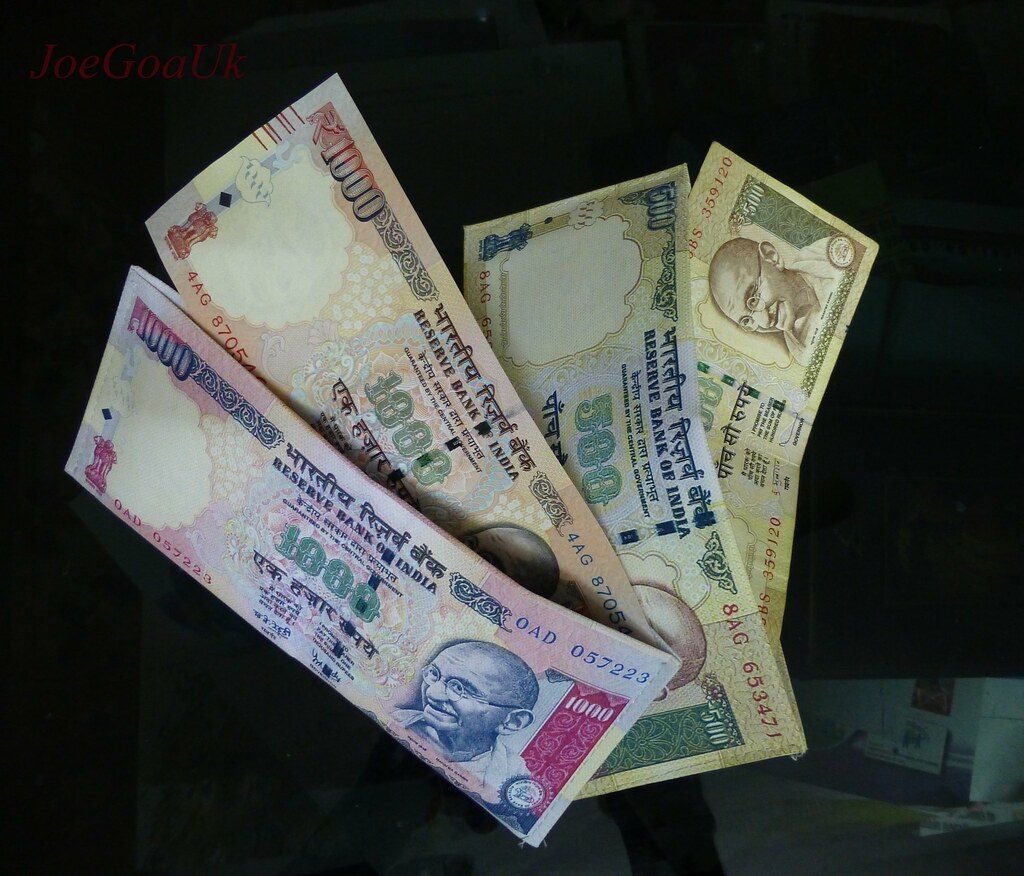
The pattern repeats in city after city. In one Indian city, drivers quote ₹1500–₹2000 for a ride that a prepaid counter or an app-based cab will do for ₹500–₹900. That is roughly $18 to $24 against $6 to $11, for the same trip, in the same traffic, at the same hour. The meter is not the variable. The negotiation is. The quoted price is almost never a fare — it is an opening position, and it is calibrated to how recently the driver saw a large suitcase. Walking twenty metres past the arrivals kerb to the road outside the airport gates routinely cuts the ask by a third, because you are no longer visibly captive.
In Bangkok, the BTS and MRT run ฿16–59 per trip. Tuk-tuks and taxis cost three to five times that. App-based rides sit below the tuk-tuk but above the train. You are paying for the last two kilometres, and you are paying a lot for them. The train itself is the easy part: ticket machines take coins, most stations have a staffed window if the machine defeats you, and the maps above the platform are colour-coded by line rather than by direction, which trips up first-timers. During the evening rush the carriages are genuinely packed, and the fare you saved is paid back in standing room.
Tuk-Tuks, Unmetered
Tuk-tuks in Thailand are unmetered. They run 100–235 THB per ride, which is about $3 to $7. Agree on the price before you take off, because there is no meter to argue with later. For very short distances they are fun. For anything past a few blocks, the train wins on both price and time. The negotiation happens standing on the pavement, and the first number is rarely the last — naming your destination and a figure in the same breath tends to produce a faster yes than asking “how much?” and waiting.
Sri Lanka works differently. You can reach the Pinnawala Elephant Orphanage by tuk-tuk from Kandy and back for Rs 1380. That is a round trip, not one way, and it is cheaper than a taxi for the same run. The tuk-tuk is not always the budget option. Here it is. The catch is the waiting: the driver stays with the vehicle for the duration, and the return leg is only that cheap because the trip is booked as a whole. Break it into two one-way hires and the price climbs. The orphanage sits a couple of hours out of Kandy on a road that narrows and climbs, so the round trip eats most of a day — worth knowing before agreeing to a price that assumed a quick in-and-out.
Where the Numbers Break
Some places the taxi is simply cheap and there is nothing to optimise. In one city, a short ride comes in under $2. Nobody writes a strategy for a $2 fare. You just take it.
Brazil runs on a different scale. Local public transportation costs 2–5 BRL per ride, which is under a dollar. Ride-hailing works well in 11 Brazilian cities. The gap between the two is small enough that the decision is about convenience, not money. The bus fare is paid to a conductor or through a rechargeable card depending on the city, and the smaller the gap between bus and app, the more the choice comes down to whether the nearest stop is actually near anything.
India has its own short-hop arithmetic. A taxi from Ajmer to Pushkar costs $5.60. The return, Pushkar to Ajmer, costs $4.91. Sixty-nine cents apart, same road, opposite direction. That difference is not a pricing system. It is a driver, a day, and how the conversation went. Ask two drivers on the same afternoon and the spread widens further. The lesson is not that one direction is cheaper; it is that a single quote tells you nothing about the going rate.
For the ride in from the terminal, a transfer booked ahead is fixed before you land.
When It Adds Up
A starting fare of around $4 and a standard 10km urban ride at $15–$20 is fine for a short group trip, where four people split it. Alone, it is not fine. It is the whole day’s food budget.
Mountains change the maths entirely. On one route, the terrain means 7–9 hours of road travel for a distance that looks short on a map. A private jeep costs $100–200. A bus costs $10–12 per person. For a solo traveller the bus is the obvious call. For four people, the jeep costs $25–50 each and saves you the wait. The bus is not merely cheaper — it is slower in a way that matters, because the 7–9 hours assumes good conditions, and a landslide or a broken-down truck ahead can add hours nobody planned for. The jeep buys flexibility as much as speed. Departure times on mountain routes are also early, often before dawn, because drivers want to clear the passes before the afternoon weather turns.
Trekking has its own line items. A guide tip runs $10–20 per day of trekking. A porter, $10–15. A driver, a similar amount. These are per day, and they add up fast over a week. They are also discretionary in theory and expected in practice, handed over at the end of the trek rather than nightly, which makes the final day an expensive one if the total was never totted up in advance.
Then there is the category that swallows budgets without announcing itself. One traveller’s breakdown listed $1,307 under “other transport,” covering taxi fares and hire cars. That is not a rounding error. That is a month of rent in some cities, spent on getting around because nobody tracked it trip by trip. Small fares do not feel like spending. A $4 ride here and a $6 ride there never triggers the alarm that a $200 jeep does, which is exactly why the total surprises people at the end of a trip.
A comfortable monthly budget of $1,800–3,000 covers a furnished studio or a good hotel, frequent café visits, ride-hailing, domestic transport and several paid activities. Transport is one line in that. It is rarely the biggest one until you stop counting.
The Rule the Numbers Suggest
Metro where it exists. App-based cabs over quoted taxis. Prepaid counters over drivers who name a price at the kerb. Tuk-tuks for the short, fun, unmetered hops and not much else.
None of this is complicated. It is just boring, and boring is what saves the money. The $18-to-$24 quote and the $6-to-$11 app fare are the same seat. The only difference is whether you asked before or after you got in. The habit worth building is small and unglamorous: check the app price before stepping into any vehicle, treat the first quoted number as a suggestion, and keep a running note of what transport actually cost. The travellers whose budgets survive are rarely the ones who found a secret cheap route. They are the ones who noticed where the money went while there was still some left.
Leave a Reply