Some links on this page are affiliate links. If you book or buy through them, we may earn a small commission at no extra cost to you. It never changes what we recommend — every price here is one we would pay ourselves.
A taxi from the airport to Kranj runs about $10.95. If the choice is walking 40 minutes in the heat or paying $3 for a taxi, and you have $30 per day left after accommodation, phones and travel expenses, the arithmetic is not close.
What the airport leg actually costs
The taxi from the airport is where a transit budget quietly dies. Not always. But often enough that the number deserves a hard look before you land. The pattern repeats in city after city: the flight is booked months out and priced to the dollar, the accommodation is compared across three apps, and then the first thing that happens on arrival is a decision made standing in a arrivals hall at 11pm with no SIM card and a bag on each shoulder.
For the first hour after landing, a booked transfer is the least stressful option.
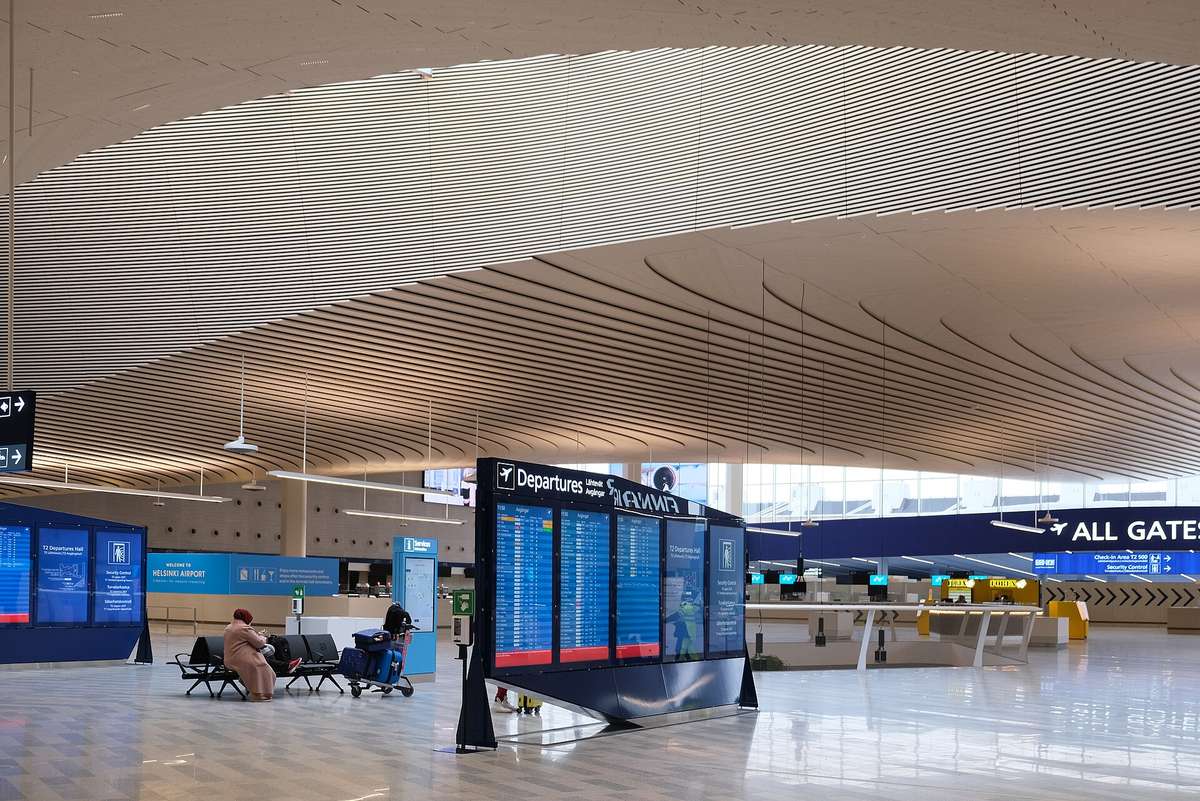
Take the distant hub problem. A taxi from an airport sitting well outside the city it serves can eat 20% of your entire transit budget for a trip. That is one ride. One driver. One meter running while you sit in traffic you did not plan for. The distance is the trap. Airports built in the 1960s sat on the edge of town; the town grew outward around them, and the newer terminals were pushed further still, so a “city” airport can now sit thirty or forty minutes of motorway away from the bed you booked. The meter does not care that the map made it look close.
The alternative is usually a train. Shift more of your airport and intercity movement onto trains, with buses filling the occasional gap, and the cost drops by 75% or more. That is not a rounding error. That is the difference between a trip that works and one that does not. The practical version of this: find the airport’s rail station on the terminal map before travelling, not after. In most large airports the train platform is signposted from baggage claim, ticketing machines take cards, and the whole process from curb to city centre seat runs somewhere between twenty minutes and an hour. What typically goes wrong is timing — the last train out often leaves well before the last flight lands, and the ticket desk closes mid-afternoon in some smaller stations, so a late arrival defaults back to the taxi whether or not that was the plan.
The pass question
Rail passes help. They help less than people assume.
On one trip, a JR pass covering unlimited JR line train usage saved a little — but that saving came to probably under 30% of the total train lines used. The rest of the network, the private lines and the non-JR routes, still cost money. So the pass was worth having and still left most of the train spending untouched. This is the part the pass marketing glosses over: in Japan, and in much of Europe, the national rail operator is only one company among many. Regional lines, airport express services run by private consortiums, and the little commuter outfits that connect a suburb to a main station all sit outside the pass. Locals rarely think in terms of passes at all. They carry a stored-value IC card, tap in and tap out, and let the system deduct the correct fare, which is why the fare gates in Tokyo and Osaka feel busier than the ticket machines.
The takeaway is not to skip the pass. It is to price the express train option before you land, not after. Research express train passes in advance. The information exists and it is free to look at. The exercise takes about twenty minutes: list the long legs of the trip, look up each one on the operator’s own site, and add them up. If the total sits comfortably above the pass price, buy the pass. If it sits just below, the pass is buying convenience rather than savings, and that is a legitimate reason to buy it too — just know which one is happening.

Small rides, small money
Within a city, taxis and app-based rides are cheap and they work. Usually between $1 and $10 per ride. They buy flexibility and comfort, which matters when you are hauling a bag.
Concrete examples make the point better than averages.
A taxi from the airport to Kranj runs about $10.95. Pokhara to Nayapul, the Annapurna trailhead, is $8 to $15 by taxi. A 10 km tuk-tuk ride from a Sri Lankan airport to accommodation came to roughly $3, and a 4 km ride cost about the same — both booked through an app, which means fares move with demand, the same way they do in most countries. That last detail is worth internalising: app pricing is not a fixed tariff, so the same journey at 8am and at 6pm can differ by half, and a fare quoted during a rainstorm bears no relation to the fare quoted twenty minutes later. Drivers on the app side also cancel freely when a better job appears, so a ride that shows as two minutes away can quietly become eight.
Then there is the decision framework. If the choice is walking 40 minutes in the heat or paying $3 for a taxi, and you have $30 per day left after accommodation, phones and travel expenses, the arithmetic is not close. Three dollars is a tenth of the day. Walk, or pay, but know which one you are choosing. The trap is not the $3 ride. It is the four $3 rides that happen because nobody did the sum, and the day’s walking budget disappears into short hops that each felt trivial at the time. In practice the cheap move is to walk the first leg of the day, when legs are fresh and the heat has not built, and take the ride back in the afternoon when the same distance feels twice as long.
Trains, buses, and the long way
Not every transfer is short.
From Unawatuna, reaching the airport by public transport takes approximately 5 hours. That is a real cost in time, and it changes what the cheap option is worth. A five-hour public transport run against a paid transfer is a different calculation than a $3 tuk-tuk. Five hours is most of a day. On a two-week trip it is 3% of the whole holiday spent on a bus seat, and the bus may well be full, standing-room only, and stopping every few hundred metres for the first hour. The paid transfer, by contrast, usually runs door to door in a fraction of that. The honest way to compare them is to price the hours, not just the ticket.
The Manchester Airport to York train comes in at $19.30. That is the kind of figure worth knowing before you compare it to a car. Booking ahead on that route matters more than most people expect — walk-up fares on British intercity services climb steeply, and the cheapest advance tickets are released weeks out and tied to a specific departure, so a missed train means buying a new ticket at the higher price.
And then there is the transfer that hides inside a travel day. One traveller’s August 23 spending came to $43.75, a slight outlier because the bus ticket and transfer to Tirana was bought that day for $16.90 of it. Transfers do not always announce themselves as transfers. Sometimes they are just a line item on a day that otherwise looked normal. This is why tracking daily spend while travelling is more useful than reviewing it afterwards: the outlier days are obvious in hindsight and invisible in the moment, and a transfer bought casually at a station window is exactly the kind of purchase that never makes it into the mental budget.
Where the money goes instead
A luxury three-day city break can run $600 to $1,500 or more once a five-star hotel, airport transfer, fine dining and private guiding are stacked together. That is the top of the range and it is a different kind of trip.
For everyone else, the airport transfer is a line item that can be cut by three quarters without much suffering. Trains do most of that work. Buses cover the rest. The savings are not dramatic in any single instance — a few dollars here, ten there — but they compound across a trip, and they compound hardest at the two ends, where the airport rides sit.
The other lever is not a transfer at all. If you use a credit card regularly, moving points into airline programmes can be worth far more than redeeming them for products. Berlin has shown up for 50,000 Latam miles plus taxes on specific dates. That is a flight, not a taxi, but it is the same principle: the big wins are structural, not incremental. Points transferred to an airline during a bonus window routinely stretch further than the same points spent on gift cards or merchandise, sometimes by a factor that makes the merchandise redemption look like a mistake. The catch is that award seats are released on the airline’s schedule, not yours, and the good dates go early.
Land with a plan for the first ride. Everything after that gets easier.
Leave a Reply