
Some links on this page are affiliate links. If you book or buy through them, we may earn a small commission at no extra cost to you. It never changes what we recommend — every price here is one we would pay ourselves.
Transport for those same three weeks came to $139.42. Imported labels like San Miguel and Corona run $3.50 to $6.
What Three Weeks Actually Costs
Three weeks in Bali cost $816. All of it. Transport for those same three weeks came to $139.42. Those are the two numbers worth taping to a wall before you book anything, because they reset what you think a long trip costs.
The $816 covered everything on the ground. Beer is where it gets interesting. Bintang, the local brand, sits at the cheaper end. Imported labels like San Miguel and Corona run $3.50 to $6. Market clothes cost $5 to $20. Branded items in malls cost more, which is true everywhere and should not surprise anyone.
The transport figure deserves a second look. $139.42 for three weeks of moving around an island. Not per day. Total. That is the kind of number that makes people assume the traveller walked everywhere, and the answer is roughly yes, in the sense that scooters, boats and buses in the right country cost almost nothing compared to the same distances in Europe or North America.
What that number hides is the texture of a Bali travel day. A scooter rental in the Canggu or Ubud area is negotiated by the day or the week, and the price drops sharply once the owner recognises a returning face; fuel is sold in litre bottles at roadside stalls rather than at stations, and a full tank costs less than a coffee back home. The catch is the licence. Most rentals are handed over with no paperwork at all, which feels liberating until a police checkpoint appears on the main road and the fine is settled in cash on the spot. Helmets are legally required, and the rental shop will not volunteer one unless asked. Between towns, the shared minivans known as bemo run fixed routes and stop when full, which can mean a long wait in the heat, and the fast boat crossings to the Gili islands leave on a schedule that bends with the weather. Ferries between Bali and Lombok are slower and cheaper and take most of a day. None of this is expensive. All of it eats time, and time is the real currency of a three-week trip.
Big Budgets and Where They Go
The full trip, the long one, started with $25,000 saved. That figure is not a typo. It is also not what a three-week trip costs. It is what a multi-continent, multi-month trip costs when you keep moving and keep paying for structure.
Tours and attractions alone came to $10,067. That covered a Flying Kiwi tour, a South America tour with Tucan Travel, an Alaska tour with Grand America, and a Discovery Parks Canada pass. Read that list again and notice the pattern. Every one of those is a paid, organized experience. That single line item is more than twelve times the entire Bali budget.
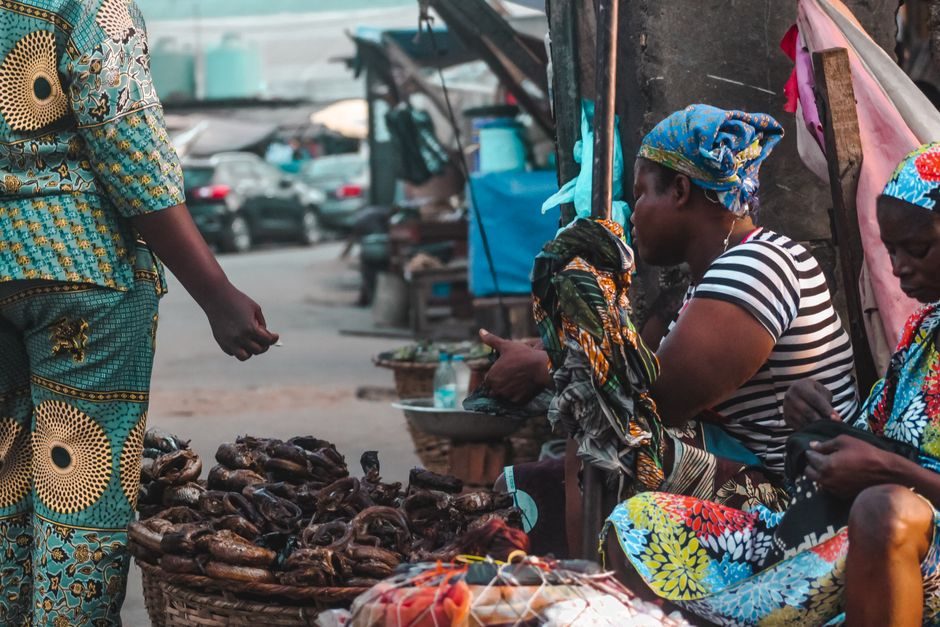
The mechanics matter more than the total. Organized tours are priced per person, per day, and the day rate covers transport, a guide, camp fees or hotel rooms, and often most meals, so the headline number looks reasonable until it is multiplied by the length of the trip. They also front-load the spending: deposits go down months ahead, final payments fall due weeks before departure, and the money is gone before the trip starts. Independent travel works the other way, with costs trickling out day by day and the option to stop. Flying Kiwi runs hop-on hop-off buses through New Zealand with camping and hostel nights built in, which suits people who want the route solved for them. Tucan covers South America in the same structured style, with long driving days between stops. The Canada parks pass is the odd one out on that list because it is a flat fee for access rather than a guided experience, and it is the cheapest line in the group by a wide margin. The lesson is not that tours are bad. It is that they are the single largest lever on a travel budget, and pulling it changes everything downstream.
There is also the $4,200 earned working a brand ambassador gig in Miami, slotted in between South America and Asia. That money did not appear by accident. It filled a gap.
The Costs Nobody Budgets For
A stolen card detail is not a travel story you plan for. When the details were taken and money started leaving the account from random places, the call to the bank happened from a Thai SIM card. The bill for that call was £50, which is about $54. So the theft cost the money taken plus $54 to start sorting it out.
If your phone supports it, an eSIM is the low-friction option.
Guesthouses beat hotels on price, and they usually beat them on ratings too. The reasoning is straightforward: the money tends to go to a local family rather than a generic hotel brand, and the ratings came out higher anyway. That means the cheaper option was also the better-rated one. This is not always true. It was true often enough here to become the default.
The card episode is worth unpacking because the sequence repeats for almost everyone who travels long enough. The first sign is usually a small charge in a currency that does not match the itinerary, easy to miss and easy to dismiss. By the time the larger charges land, the card is already compromised and the bank’s fraud line is the only exit. Calling from abroad means either paying roaming rates or buying a local SIM and hoping the bank’s toll-free number works from that network, which it frequently does not. The call itself is a script: identity questions, a list of transactions to confirm or deny, a freeze on the card, and a promise of a replacement that has to be posted somewhere the traveller will still be in two weeks. That posting address is the hard part. Guesthouses will sometimes accept mail for guests, but not always, and a replacement card sent to the wrong city is a dead card. The practical defence is a second card kept separate from the first, and a written record of the bank’s international number that does not live on the phone that might get stolen.
Walking and Wandering
Ilha Grande can be done with a tent. A week is enough to hike around it. Three weeks is also reasonable if the plan is to walk slowly and camp. That is the whole idea of the place, and it does not require a tour or a booking.
Koh Kradan took the number one spot on a list of the top 100 beaches in the world for 2023, according to the World Beach Guide. That is a ranking, not a price, but rankings move people, and people move prices.
Ilha Grande rewards the tent because the island has no roads to speak of and the villages are linked by trails through Atlantic forest, with beaches that empty out completely once the day boats leave. Camping is permitted in designated spots, water has to be carried between them, and the walking is genuinely hot and humid rather than gently scenic. The reward is that the whole island costs almost nothing beyond the ferry over. Koh Kradan is the opposite case: a small island with limited rooms, which is exactly why a ranking like that one moves the price. Accommodation on a beach that has been named the best in the world does not stay cheap for long, and the rooms that exist fill early in high season. The general point holds in both places. Anywhere reachable only on foot, or only by boat, or only by a single daily ferry, keeps its costs down because the crowds cannot get there in numbers. Anywhere a list has just put on the map does the reverse.
Five countries in South America for under 800 reais is the kind of claim that gets a raised eyebrow. Converted, that is roughly $145. It sounds impossible until you look at what the $816 Bali figure actually bought. Same logic, different continent.
The Comparison That Matters
Venezuela comes in at $5 per day, all inclusive. That is the floor, and it is a hard floor, and it comes with its own complications. India sits nearby in the cheap column. South Africa is the open question. A local asked what a South Africa budget looks like and did not get a clean answer, which is itself the answer: nobody has run the same three-week test there that Bali got.
What the numbers show is that the spread between destinations is enormous. A $25,000 trip and an $816 trip are both real. The difference is not discipline. It is which costs you agree to carry. Tours and organized experiences are the expensive part. Beer, clothes and local transport are not.
Leave a Reply