What a Trek Actually Costs
A premium trek in Nepal runs $200 to $400 per day. That figure buys a high-end lodge room at a place like Yeti Mountain Home or Summit Hotels, where nightly rates sit between $80 and $200, plus full-board meals, an experienced senior guide, a dedicated porter and logistics handled by an agency. It is a real number, not a scarecrow. Plenty of people pay it.
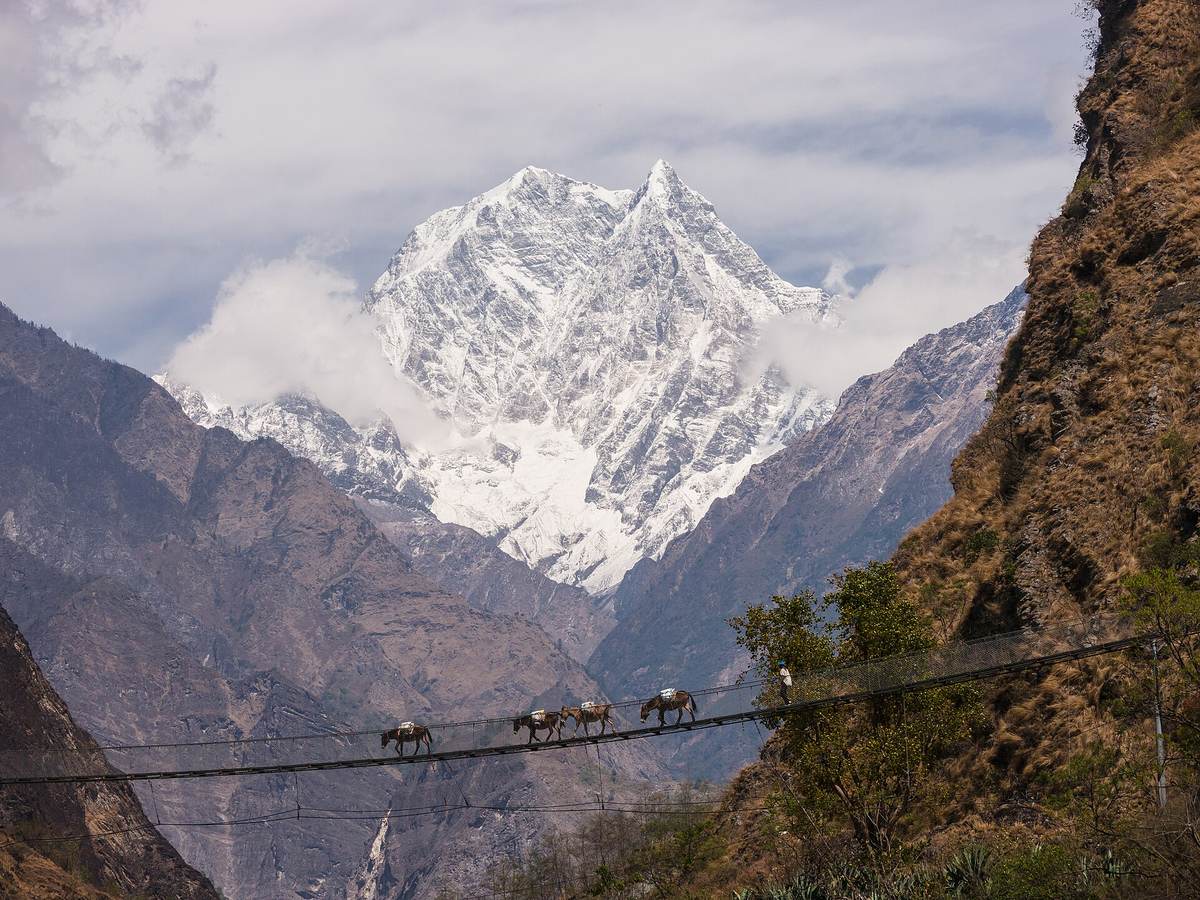
Below that sits the standard arrangement. A licensed trekking guide costs $25 to $35 per day, and that daily rate covers the guide’s own food, accommodation and insurance. A porter costs $18 to $25 per day and carries 20 to 25kg. If you hire one person to do both jobs, a combined porter-guide, the rate is $20 to $28 per day. Porter wages when hired in Kathmandu or Pokhara typically land between NPR 2,000 and 3,000 a day, which is $17 to $25. Porters hired in remote villages may ask for NPR 2,500 to 3,500 a day. Then there is the tip, which is not optional in practice: NPR 500 to 1,000 per day extra.
Permits, Region by Region
Permit costs vary enough that they change which trek you pick. The ACAP, or Annapurna Conservation Area Permit, costs NPR 3,000 per entry and is required for Annapurna Base Camp, the Annapurna Circuit, Poon Hill and Tilicho Lake. Monastery and gompa entries, or similar small side activities, run $2 to $5.
Restricted area permits are a different category. Upper Mustang, Manaslu and parts of Dolpo often cost $75 to $100 per week per person, and they require you to trek with a licensed guide. That last condition matters more than the fee. A cheap solo plan does not exist in those regions.
The Flight You Cannot Control
Lukla Airport has a weather cancellation rate of 15 to 20% during monsoon fringe weeks. This is the line item most Everest region budgets leave out. Budget one or two extra Kathmandu hotel nights as a buffer, at $20 to $60 per night in Thamel, and you have covered the realistic worst case. Kathmandu to Pokhara is a separate calculation: $100 to $120 one way for a 30-minute flight.
Both Everest Base Camp and the other trek sold under the same banner are marketed as base camp treks, but they differ by 1,400 metres of altitude, a week of walking and a coin-flip mountain flight. That is how you pick between them — fitness, budget, time.
Insurance and Altitude
Standard travel cover often stops below the altitude these treks reach. Adventure-focused policies exist for this, and separate trekking travel insurance is commonly bought for bigger trips specifically to handle altitude cap limits. Read the cap before you pay for anything else. An insurance policy that voids at 4,000 metres is not insurance for a trek that crosses 5,000.
Elsewhere, For Comparison
Desert luxury camps in Merzouga or Zagora run $250 to $400 per night, camel trek and meals included. Laos is worth holding up against Nepal for anyone chasing cheap outdoor time: sparsely populated, mountainous, nearly 70% forest coverage, with trekking, climbing, kayaking, zip-lining and hot air ballooning all at budget prices. It is Thailand without the mass tourism, and the activity costs reflect that.
None of this is a recommendation to go cheap. The guide rate exists because the guide eats, sleeps and carries insurance on that money. The porter rate exists because someone is carrying 25kg up a hill. Pay the tip. Build in the buffer nights. Count the permits before you count the days.
Leave a Reply