Some links on this page are affiliate links. If you book or buy through them, we may earn a small commission at no extra cost to you. It never changes what we recommend — every price here is one we would pay ourselves.
A traveller walked out of a pharmacy with pills for headache, diarrhea, allergies, motion sickness, malaria and pregnancy, plus a thermometer for the rear, for €105. A consultation at a remote health post runs $20 to $100.
The Kit That Costs Less Than One Clinic Visit
A traveller walked out of a pharmacy with pills for headache, diarrhea, allergies, motion sickness, malaria and pregnancy, plus a thermometer for the rear, for €105. That converts to about $113. It sounds like a lot of medicine until you price the alternative.
That kit came off a shelf in a country where pharmacists hand over most of it without a prescription, which is the first thing to understand about building one. In much of Europe, Latin America and Southeast Asia, the person behind the counter will ask what it is for, pull boxes down, and write the dosage on the side in pen. In the United States the same haul means a doctor’s appointment, a co-pay and a lecture, which is why so many long-term travellers restock abroad and carry the surplus home. The thermometer is the item people argue about and the item people are most grateful for. A fever at 2am is not a good time to discover the hostel has no way to measure it, and the cheap digital ones cost less than a coffee in most of the places this site writes about.
Build the kit before departure, not after the first bad meal. The first bad meal is the moment when a traveller is least able to find a pharmacy, least able to explain symptoms in a second language, and most likely to pay whatever the nearest clinic decides to charge. A small zippered pouch with the boxes still legible, plus a photo of each label on the phone, covers the gap. Customs officials in a few countries care about loose pills in unmarked bags; keeping the original packaging avoids the conversation entirely.
What Sickness Actually Costs
A consultation at a remote health post runs $20 to $100. That is the fee to be seen, before anything is dispensed, before any test, before any decision about whether you need more than a chat and a prescription. In Uganda, one hospital visit for a sick traveller came to $18. Cheap by comparison, but it still landed in the trip budget under toiletries and health supplies, alongside restocked shampoo, soap and feminine hygiene products.
The pattern is consistent enough to plan around. Urban private clinics charge more than rural health posts and deliver faster service; public hospitals cost least and take longest, often most of a day between arriving, registering, paying at a cashier window that may be in a different building, and finally seeing someone. A traveller with a fever and a flight in three days is buying speed as much as medicine. The cashier-first system trips up a lot of people: nobody examines anyone until a receipt exists, and the receipt comes from a window with its own queue. Keep small notes. Card machines fail, and a clinic that cannot take payment cannot treat.
One couple, in their seventh year of full-time slow travel, spent $60,001.80 across 13 countries, 20 locations and four continents in 2025. That is the whole picture: accommodation, food, transport, health, lifestyle. Health is one line inside a very large number. It stays small right up until it doesn’t.
Insurance, Priced Plainly
Comprehensive travel insurance for a 10-day Europe trip runs $80 to $150 per person. Age, coverage level and trip cost move that figure. For American travellers there is a specific gap worth knowing about: US health insurance typically does not cover overseas emergencies, which makes medical evacuation coverage the part of the policy doing the real work.
Basic plans start lower. Plans from $43 to $80 exist. Those basic plans cap medical coverage at $15,000 to $50,000 and evacuation at $100,000 to $250,000. They suit domestic trips, short international hops, or people who already carry good health insurance at home.
Some travel medical policies cost as little as $1 per day. One dollar. That is the entire argument, stated without decoration.
Read the exclusions before buying, because the cheap policies are cheap in specific places. The usual carve-outs are pre-existing conditions, anything involving alcohol, and activities the insurer classes as extreme, which can include scooter riding in countries where that is how everyone gets to work. Claims need paper: itemised bills, a diagnosis in writing, receipts for every payment. A clinic that writes “consultation” on a scrap of paper is a problem six weeks later when the claim goes in. Ask for the itemised version at the desk, while the staff still remember the visit, and photograph it before leaving the building. The paperwork is boring and it is the whole game.
There is also a benefit hiding in a payment card. Purchase travel tickets with a covered Visa card and the benefit can transport you to the nearest medical facility for treatment if you are sick or injured, up to $10,000. It is not insurance and it does not replace a policy. But $10,000 of transport is $10,000 of transport.
On a tight itinerary, skipping the ticket queue is worth planning for.
The Pharmacy Math
Compare the two columns. A basic insurance plan at $43 to $80. A remote consultation at $20 to $100. A hospital visit in Uganda at $18. Comprehensive cover for ten days in Europe at $80 to $150.
Then the kit. Roughly $113 for a broad supply of medication and a thermometer. That purchase covers headache, diarrhea, allergies, motion sickness, malaria and pregnancy. Some of it will never be opened. The pills you never take are the ones you were hoping to waste money on.
Vaccinations are a separate line for some travellers. One reported $0 for yellow fever, rabies and tetanus, covered by healthcare.
Reactions vary between people on the same course. One traveller and their companion had identical vaccinations. The companion felt, in their words, a bit sick for one day. One day, and it was over. The other had a harder time of it. Same needles, different bodies.
Timing matters more than most people expect. Some vaccines need a course of doses spaced weeks apart, and yellow fever certificates are checked at certain land borders, so the paperwork is worth as much as the injection. A clinic that handles travellers will issue the international certificate on the spot; a GP who does not may not. Book the appointment well before the flight, because the traveller who remembers two days out ends up paying a premium clinic for a rushed schedule or skipping the shot entirely.
What the Numbers Suggest
Budget for the boring things. Insurance at $43 to $80, or $1 a day on the cheapest medical policies. A stocked kit at about $113. Know that a remote health post will ask $20 to $100 and that a hospital visit can come in at $18 and still need paying.
One traveller tracked a year of spending and came in almost $1,000 under their own estimate, mostly through accommodation, while overshooting on shopping. Two unforeseen costs hit anyway: a new phone and a doctor visit. The doctor visit was not optional, and it was not the largest number in the year. It was just the one that arrived without warning.
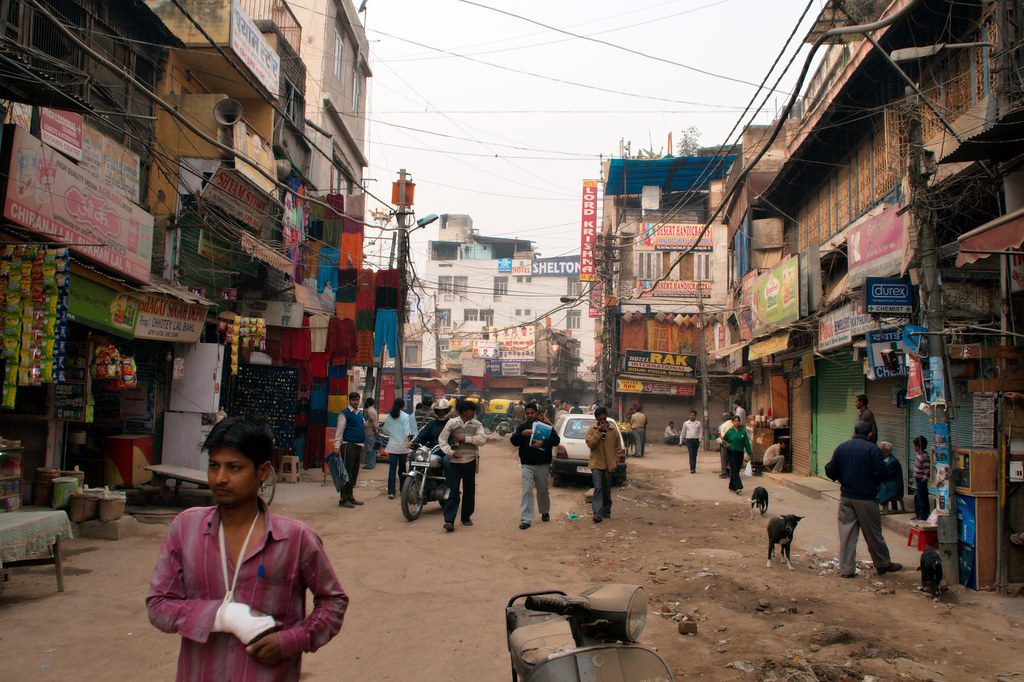
Street food in India runs ₹20 to ₹100 per item, which converts to roughly $0.25 to $1.20. That is genuinely cheap eating, and the safety question is about choosing the right vendor, not about avoiding the category.
The uncomfortable part is not the money. It is the dormitory at 4am, someone sick in Barcelona waking the entire room, and the person in the next bunk who has heard more than they wanted to hear. Health on the road is partly a budget line and partly a consideration for whoever is sleeping three feet away.
Leave a Reply