Some links on this page are affiliate links. If you book or buy through them, we may earn a small commission at no extra cost to you. It never changes what we recommend — every price here is one we would pay ourselves.
A comfortable day in Western Europe runs €100–150, and Uruguay can approach that in Montevideo and the coastal towns in January and February. A comfortable day in Uruguay can cost $108 or more.
Two Countries, One Budget
Uruguay and Paraguay sit side by side on the map and almost nowhere near each other on cost. A shoestring traveller moving between them is effectively changing tax brackets. The numbers below come from what people actually spent, not from what a tourism board hopes you’ll spend. One caveat before any of it: prices drift. Two years of travel data will not match today’s prices, and nothing here has been adjusted for inflation.
What makes the comparison useful is that the two countries are genuinely adjacent, not just rhetorically so. Buses cross between them daily, the border formalities are routine, and the same traveller can move from one cost structure to the other in an afternoon. That makes the gap measurable rather than theoretical. The usual mistake is to plan a single South American budget and then discover, somewhere around the bus station in Montevideo, that the numbers were never going to hold.
Uruguay Is Not Cheap
Uruguay prices like Western Europe, which surprises people who assume South America means cheap. A comfortable day in Western Europe runs €100–150, and Uruguay can approach that in Montevideo and the coastal towns in January and February. Convert that European benchmark and you get $108–162 per day. Uruguay doesn’t quite hit those numbers outside peak season, but it doesn’t land anywhere near shoestring either.
Montevideo itself reads as orderly and a little formal, with a long waterfront promenade that locals use for walking and mate-drinking rather than for anything commercial. The Ciudad Vieja has the old buildings and the markets; the further out you go, the more the city looks like a mid-sized European port that happens to speak Spanish. Prices follow. A coffee in a plaza and a coffee in a residential neighbourhood are not the same coffee, but neither is cheap by regional standards.
Compare that to the Balkans, where €40 per day buys comfortable travel, or $43 in dollars. Uruguay is roughly two and a half times that. Even Japan, which has a reputation for expense, breaks down to ¥4,000–8,000 per day for a comfortable mix of convenience store food, ramen shops, and one sit-down meal. That’s $27–53. Uruguay’s coastal high season can outrun Tokyo.
What this means practically: Uruguay rewards short visits and punishes long ones. Three or four days in Colonia or Montevideo costs less than a week, obviously, but the per-day figure doesn’t drop much the longer you stay. There’s no volume discount.
Paraguay Changes the Math
Paraguay is where the budget recovers. The country has no coastline and no international reputation for expensive living, and the daily numbers reflect it. Food and accommodation together run $20–35 per person per day. That’s the whole category, not one line item. A dorm bed and three meals fit inside that range in Asunción and most of the interior.
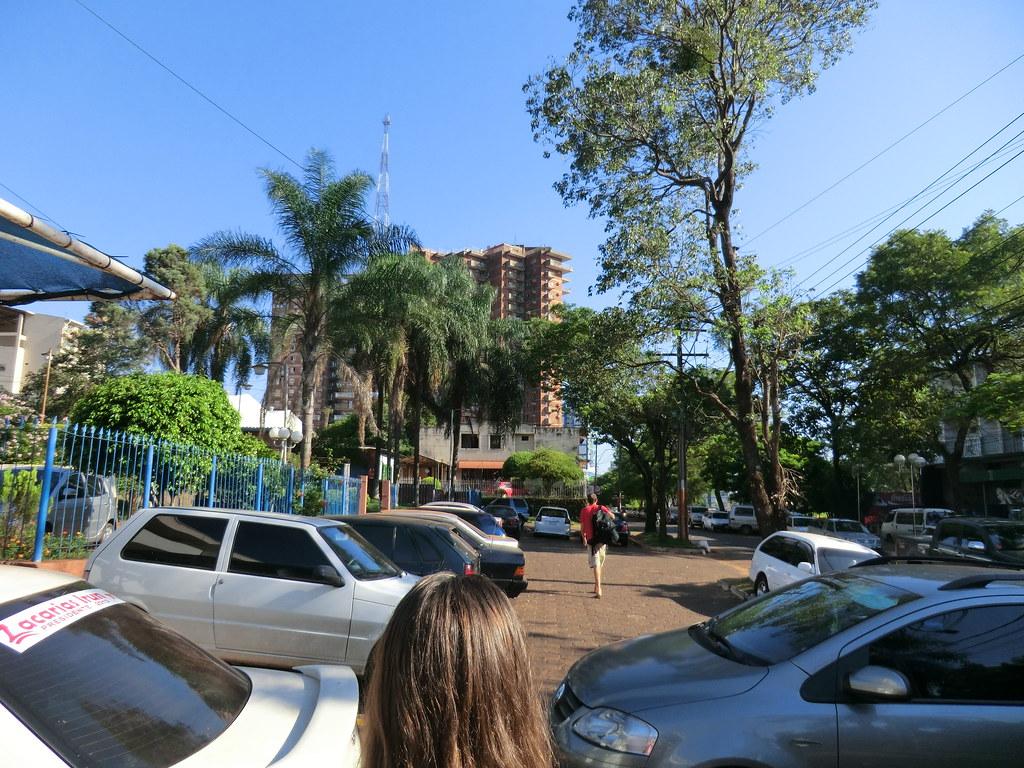
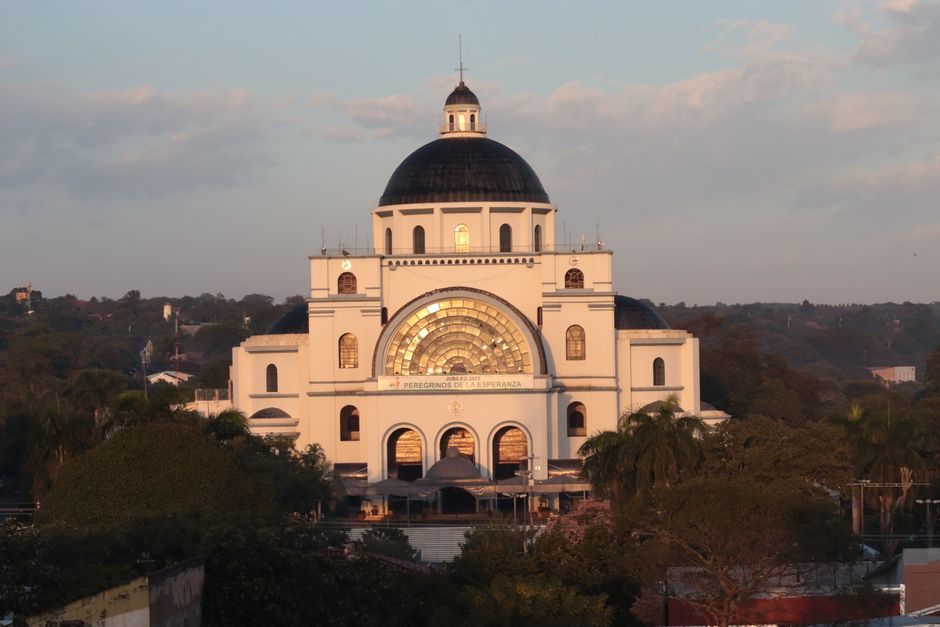
Asunción is hot, low-rise and unhurried, and the centre empties out in the middle of the day in a way that takes some getting used to. Locals eat a long lunch and return in the late afternoon; shops and offices follow the same rhythm. Adjusting to that schedule is not just cultural, it saves money, because the cheap meals happen when the city is actually eating rather than when a visitor from a colder climate is hungry. Intercity buses are frequent and inexpensive, and the terminal in Asunción functions as a small city of its own, with food stalls and luggage storage priced for people who actually live there.
For the hours before departure, a bag locker keeps you moving.
For context, that’s cheaper than a comfortable day in Japan at the low end, and roughly half the Balkan comfortable figure. Vietnam, which is the usual benchmark for Southeast Asia value, sits at $25–40 per day for hostel dorms, street food, and local buses. Paraguay overlaps Vietnam almost exactly. The country gets none of Vietnam’s attention and all of its pricing.
The gap between the two countries is stark. A comfortable day in Uruguay can cost $108 or more. A full day in Paraguay costs $20–35. Same continent, same language family, same bus network connecting them. You can spend a week in Paraguay for what three days in Uruguay costs.
Guides, Porters, and Water
Add-ons matter more than people expect. Hiring a guide runs $25–30 per day. A porter costs $15–20 daily. On a multi-day trek, that porter fee alone can equal a full day’s food and lodging in Paraguay. Guides are worth the money on routes you don’t know, but they aren’t free and they aren’t cheap.
Guides are usually arranged the evening before or on the morning of, often through a hostel or a small office near the trailhead, and cash is the norm. The ticket desk at smaller trailheads typically closes mid-afternoon, so arriving late means waiting a day. Porters are hired separately and the arrangement is informal: the fee is agreed at the start, and it is worth confirming whether the figure covers the return leg or only the ascent, because that is where arguments start. On a three-day route the difference between a quoted day rate and a quoted trip rate can be substantial, and nobody is trying to cheat anyone, it is simply two different conventions in use at once.
Bottled water is the cost nobody budgets for. The line item is small individually and large cumulatively. Buy two or three bottles a day at a dollar or two each and you’ve added $60–180 to a month. Purification tablets or a filter change that math permanently. It’s not glamorous advice. It’s just the difference between a $20 day and a $25 day, every day, for weeks. Tap water in the region is not reliably drinkable for visitors, and the cheap bottled sizes sold at kiosks are smaller than the ones most travellers are used to, which quietly doubles the count. A refillable bottle plus tablets weighs almost nothing and removes the line item entirely.
Eating Cheap
Meal prices set the floor for any budget. A vegetarian meal in the region runs about $4.50. A non-vegetarian meal runs about $6.75. Two non-vegetarian meals a day is $13.50, which leaves almost nothing for a bed in Paraguay and blows the entire Uruguay budget before you’ve paid for accommodation. One sit-down meal a day, the rest from markets and shops, is the pattern that keeps Japan at $27–53 per day. It works the same way further south.
The mechanics of eating cheaply look slightly different in each country. In Paraguay the market stalls and small comedores do the work, and the portions are large; a set lunch is often the cheapest and best meal of the day, served early and gone by mid-afternoon. In Uruguay the same strategy runs into higher input costs, so the supermarkets and bakeries carry more of the load, and picnic food bought in the morning often beats anything found at lunchtime. The pattern is the same in both places: the cheaper the establishment, the earlier it sells out.
Uruguay will not let you eat cheaply. Paraguay will, if you skip the tourist-facing restaurants. The vegetarian price at $4.50 is the number to remember, because it’s roughly what a full day of food costs if you cook or buy from markets instead.
The Honest Split
Uruguay and Paraguay don’t share a budget any more than they share a coastline. One costs what Western Europe costs. One costs what Vietnam costs. Travellers who treat South America as a single price bracket will overspend in Montevideo and underspend in Asunción, and they’ll wonder why the month came out the way it did.
The fix is time allocation. Fewer days in Uruguay, more in Paraguay. Book the expensive country short and the cheap country long. That single decision moves a month’s spending more than any other choice available, and it costs nothing to make.
Leave a Reply